Ukraine’s 3e Brigade d’assaut Uses Unmanned Ground Robots for Logistics and Evacuating Wounded
Key Takeaways
- Ukrainian forces reportedly captured a Russian position without infantry using unmanned platforms.
- Two Phantom MK-1 humanoid robots provided by Foundation deployed for reconnaissance.
- Frontline robot missions surged to thousands in early 2026.
Robots on the front
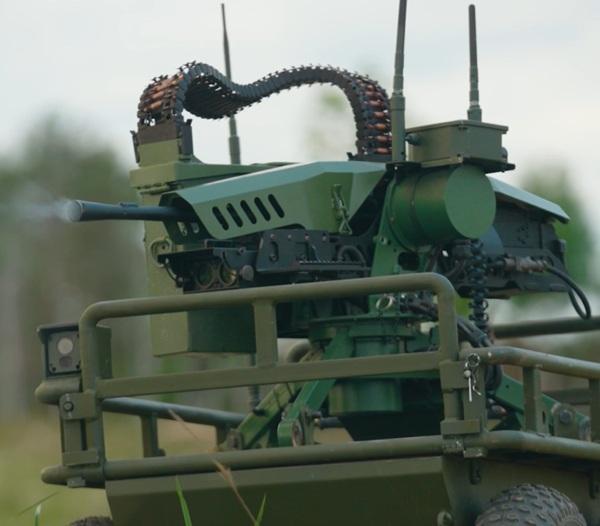
In Ukraine’s east, a field near the front has become a proving ground for unmanned ground logistics, with a small vehicle “fonce comme un fou sur un champ labouré” while “Aucun conducteur n'est visible.”
“Based on facts observed and verified directly by our journalists or by informed sources”
In a report from rts.ch, fighters from the 3e Brigade d'assaut de l'armée ukrainienne described how the robots are used “principalement” for logistics and “aussi pour l'évacuation des blessés,” because “près du front, c'est de plus en plus dangereux.”

The same account explains that the vehicles are designed for the “Kill Zone,” described as “une bande d'environ 20 kilomètres de large de part et d'autre du front,” where “il y a des drones partout” and “Si un homme s'y aventure, il est immédiatement attaqué.”
rts.ch says that a vehicle or truck would be destroyed by a Russian aerial drone, but that the ground robots “atteignent les soldats du front la plupart du temps indemnes – car ils sont petits.”
The brigade’s fighters show how the robots move “lourdement chargés de munitions ou de nourriture” toward advanced positions, and how, once they arrive, soldiers “émergent de leurs cachettes, déchargent hâtivement la machine – avant de se replier dans leur abri.”
In the same narrative, the brigade’s press officer “Disney” frames the logic of the system with a comparison: “Si nous utilisons une voiture au front et qu'un drone russe l'attaque, des soldats sont tués. Si les Russes attaquent un robot, seul le véhicule est détruit et le chargement anéanti.”
Zelensky’s robotic capture
A separate wave of reporting centers on a claim by President Volodymyr Zelensky that Ukraine has achieved a “first” in the war: capturing a Russian-held position using unmanned systems without infantry on the ground.
Le Temps says Zelensky’s announcement on “13 avril 2026” described the capture of a Russian position by “une unité entièrement robotisée,” presenting it as a “changement fondamental” because “pour la première fois, les combattants ne sont plus uniquement humains.”

Franceinfo frames the same event as “a first since the conflict began,” saying Ukrainians “retake a Russian position not thanks to their army, but to robots,” with “Killer robots and drones launched the assault without any soldier being deployed.”
TF1 Info quotes Zelensky’s wording from his social media post, saying: “For the first time in the history of this war, an enemy position was taken exclusively by unmanned platforms – ground systems and drones.”
Euractiv FR similarly reports Zelensky said the position was taken “without infantry and without losses on our side,” and adds that Kyiv is encouraging greater use of unmanned systems because “the saturation of drones along the front line makes troop movements increasingly difficult.”
Numerama places the announcement in a speech on “April 13, 2026,” quoting Zelensky’s line that “The occupants surrendered, and the operation proceeded without infantry intervention and without any losses on our side,” while noting that the exact locality name remained unclear.
Missions, models, and numbers
Multiple outlets quantify how quickly Ukraine says it is scaling ground robotics and drone-enabled operations, linking the “historic first” to a broader surge in missions.
“The scene is as old as war itself”
TF1 Info reports that Zelensky said remotely piloted weapons had already carried out “more than 22,000 missions at the front in just three months,” and it adds that Zelensky’s statements suggest an increase in ground robots on the front.
Euractiv FR provides a parallel set of figures, saying “More than 9,000 such missions were carried out in March,” and that “During the first three months of the year, unmanned ground vehicles completed more than 22,000 missions.”
Zone Militaire cites the Institute for the Study of War (ISW) for a separate territorial context, but it also repeats the robot-mission scale, stating “with 9,000 missions in March, 50% more than the previous month,” and it attributes the rise to Ukrainian prioritization of unmanned platforms in high-risk environments.
El Confidencial ties the mission count to a list of robotic models, saying United24 reported seven distinct models, including “Ratel, Termit, Ardal, Lynx, Snake, Protector, and Volya,” and that they completed “more than 22,000 missions during the last three months.”
La Vanguardia adds that the number of units operating this technology rose from “67 units Kyiv had at the end of 2025 to the current 167,” and it describes the main objective as minimizing casualties while noting that the vehicles are used for logistics, intelligence, mine work, and direct fire.
Countermeasures and the next fight
As Ukraine expands unmanned ground vehicles, other reporting focuses on how opponents may counter them, emphasizing that UGVs introduce a new defensive theater along the ground.
El Independiente describes how UGVs often rely on radio links for remote control, and it frames electronic warfare as a way to “freeze the UGVs, cutting communication with the operator and leaving the vehicle inert in the middle of the battlefield.”

It also discusses sensor spoofing, saying defensive strategies aim at “deceiving LiDARs (laser-based detection and ranging technology) and the robot's cameras through identity spoofing attacks,” so the robot “believe the ground is full of nonexistent obstacles” and deviates.
For physical barriers, the outlet points to “high-tension wire barriers designed to entangle any device attempting to advance around the defended position,” using “galvanized steel wires of low weight but extreme strength” to snag “UGV’s axles and chains” and “burning their electric motors.”
El Independiente also describes hard-kill approaches, including “FPV Robot Hunter drones” programmed to attack “the top, the most vulnerable part of ground vehicles,” and lightweight missiles such as “the Spike LR2.”
Zone Militaire, meanwhile, links operational disruption to communications and drone effectiveness, saying the ISW attributes Russian fatigue to Elon Musk’s decision to cut Russia’s access to Starlink terminals, which “disrupted the operation of its drones and other robotic systems.”
A doctrine of machines
Across the reporting, the “historic first” is repeatedly framed as the visible edge of a broader doctrine shift toward integrated unmanned systems, with robots taking on logistics, evacuation, and direct-attack roles.
“In March 2026, Ukrainian ground robots completed more than 9,000 missions in a single month”
rts.ch describes how robots are used for logistics and “aussi pour l'évacuation des blessés,” and it says that “Des vidéos de la 3e Brigade d'assaut montrent de manière impressionnante comment ces engins roulent sur des kilomètres sur des chemins de campagne.”
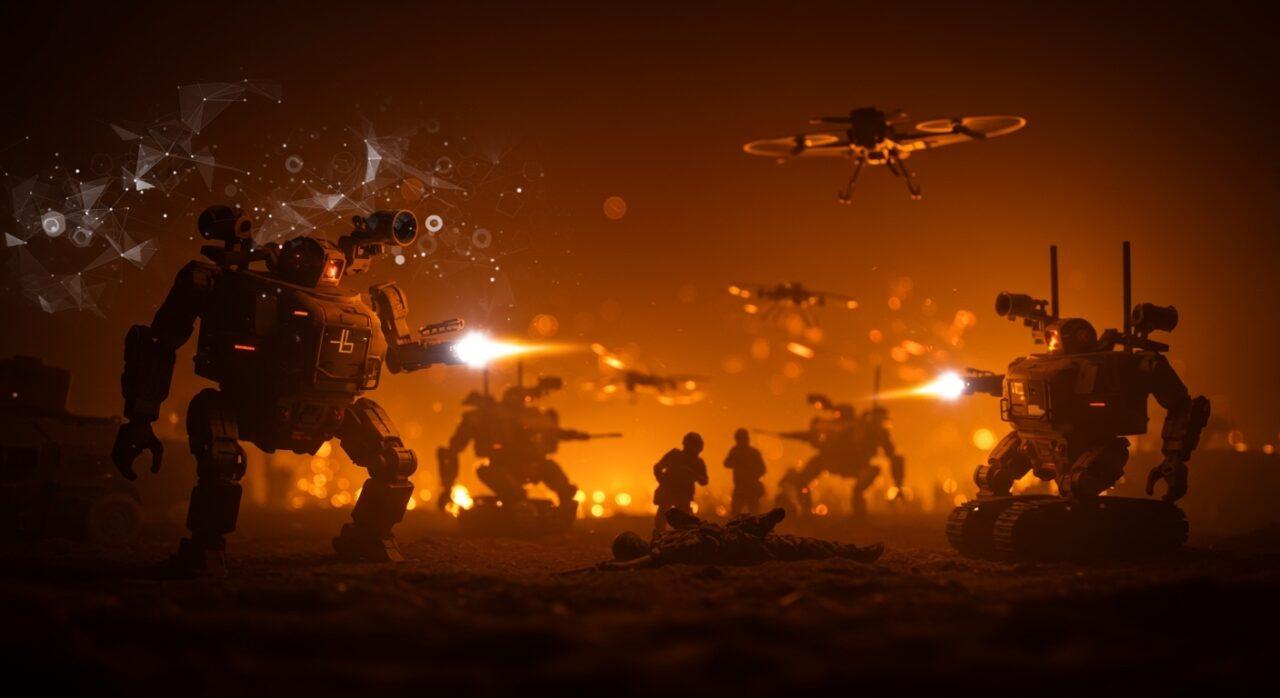
TF1 Info and Euractiv FR both emphasize that the operation was carried out “without infantry,” and they connect that to a future posture in which operators supervise systems from “abris sécurisés” and direct robots with a joystick or remote control.
Zone Militaire adds that Ukrainian ground robots are being used in high-risk environments to reduce risks to personnel, while also citing that the Russian army recorded no territorial gains in Ukraine during March, a claim tied to ISW figures.
El Confidencial describes how ground robots are taking on direct-attack roles, including the 214th Separate Assault Battalion OPFOR operating “platforms like the Rys Pro,” with a turret armed with a machine gun “remotely controlled” so operators can fire “from secure trenches without exposing infantry to retaliatory fire.”
Contre Attaque, in a different tone, describes the TerMIT assault tank used to “force their surrender,” and it says the device is named TerMIT, while also describing the TerMIT’s earlier civilian version and its role in evacuation “remotely piloted by an operator.”
More on Ukraine War
Ukrainian Drones Strike Lukoil Oil Refineries in Perm and Orenburg, SBU Says
21 sources compared

Trump and Putin Discuss Temporary Ukraine Ceasefire for May 9 Victory Day
11 sources compared

Trump Suggests Ukraine Ceasefire in Call With Vladimir Putin, Discusses U.S. War With Iran
13 sources compared
Ukrainian Drones Strike Voronezh Maintenance Site, Damaging Mi-28 and Mi-17 Helicopters
12 sources compared