Ukraine’s Systemic UAV Strikes Weaken Russia’s Tactical Rear, ISW Says
Key Takeaways
- Drones attack Russia's tactical rear, per ISW and CNN reports.
- FPV drones target frontline transport and logistics routes.
- Frontline drone activity documented by CNN and BBC.
Drones and rear strikes
The Institute for the Study of War said on March 19 that Ukraine’s systemic UAV strikes on Russia’s tactical rear are gradually weakening both the enemy’s offensive and defensive capabilities, while complicating Russian preparations for a 2026 offensive.
“(updated as of 23:55) The Russian armed forces have captured the western part of Kostantynivka, in the Kramatorsk district, Donetsk Oblast”
ISW reported that Ukrainian drone units increasingly focus on successful strikes against Russian artillery, drone operators, and logistics facilities in the near rear, with a planning staff representative from a Ukrainian drone battalion in the Lyman direction describing the shift toward artillery, UAV operators, supply routes, and enemy force concentration areas.
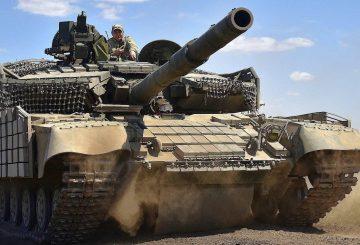
ISW also said regular strikes on communications equipment, particularly antennas, negatively affect the morale of the Russian military and complicate coordination on the front line, while consistent destruction of Russian air defenses opens opportunities for further strikes deep in the rear.
The New Voice of Ukraine further reported that the number of Ukrainian strikes at a distance of 50 to 250 kilometers from the front line increased from about 11 per month between March and October 2025 to about 45 after November 2025, and that in total 365 strikes were carried out from March 2025 to early March 2026.
ISW added that Russian command is forced to solve several complex tasks at once, and that the inability of Russian troops to advance even at the tactical level and take advantageous positions in Kostyantynivka and Druzhkivka seriously undermines their chances of achieving significant results during the expected 2026 offensive.
Logistics protected by nets
Ukraine’s Defense Minister Mykhailo Fedorov said on Facebook, as carried by Ukrinform, that “More than 1,170 km of routes have already been protected” by anti-drone construction in frontline regions.
Ukrinform reported that the State Special Transport Service, under instructions from the Ministry of Defense, doubled the pace of constructing anti-drone protection from 4 km to 8.5 km per day compared to 2025, and that “Only from February to April, 430 km of anti-drone protection was installed and 106 km of roads were restored.”
RBC-Ukraine said the pace of work has more than doubled and that the project is designed to ensure stable supply of resources and evacuation of the wounded even under attacks.
RBC-Ukraine also reported that as of early April, 371 km of anti-drone structures had been installed since the beginning of 2026 across seven regions: Kyiv, Sumy, Kharkiv, Dnipropetrovsk, Donetsk, Zaporizhzhia, and Kherson.
Ukrinform added that road infrastructure restoration is ongoing in five frontline regions and that “More than 60 km of roads have already been restored, including the completion of three sections in the Zaporizhzhia and Kharkiv directions,” while Defense Ministers of Ukraine and Germany, Mykhailo Fedorov and Boris Pistorius, visited Ukraine’s frontline regions.
Casualty figures and battlefield stakes
The Kyiv Independent reported that the General Staff of the Armed Forces of Ukraine said Russia has lost around 1,262,490 troops in Ukraine since the beginning of its full-scale invasion on Feb. 24, 2022, including 1,070 casualties over the past day.
“CNN's Nick Paton Walsh follows Ukrainian soldiers down a strategic road by the Kostiantynivka frontline as Russian drones attack”
The Kyiv Independent said the General Staff’s report also listed losses including 11,701 tanks, 24,091 armored combat vehicles, 37,589 artillery systems, 435 aircraft, and 29 ships and boats, while noting that Ukraine’s General Staff has not revealed its own losses during the full-scale invasion citing operational secrecy.
In parallel, the Institute for the Study of War said on March 17 that Zelensky announced Ukraine has sent 201 military experts to assist Middle Eastern countries in defending against Iranian Shahed drone strikes and that Ukraine is “ready” to send another 34 experts to the region.
ISW reported that Zelensky said Ukrainian specialists are already working in the United Arab Emirates (UAE), Qatar, and Saudi Arabia and that Ukrainian specialists are en route to Kuwait, while Zelensky stated that Ukraine can produce over 2,000 interceptor drones daily and only needs 1,000 drones for its own defense.
The Kyiv Independent also reported that President Volodymyr Zelensky told France TV on Feb. 4 that at least 55,000 Ukrainian soldiers have been killed in action since the beginning of the full-scale war, and that a January 2026 CSIS report estimated Ukraine has likely suffered between 500,000 and 600,000 casualties from February 2022 to December 2025.
More on Ukraine War

Russia Presses Toward Kharkiv as Vovchansk Fighting Continues, BBC Reports
12 sources compared
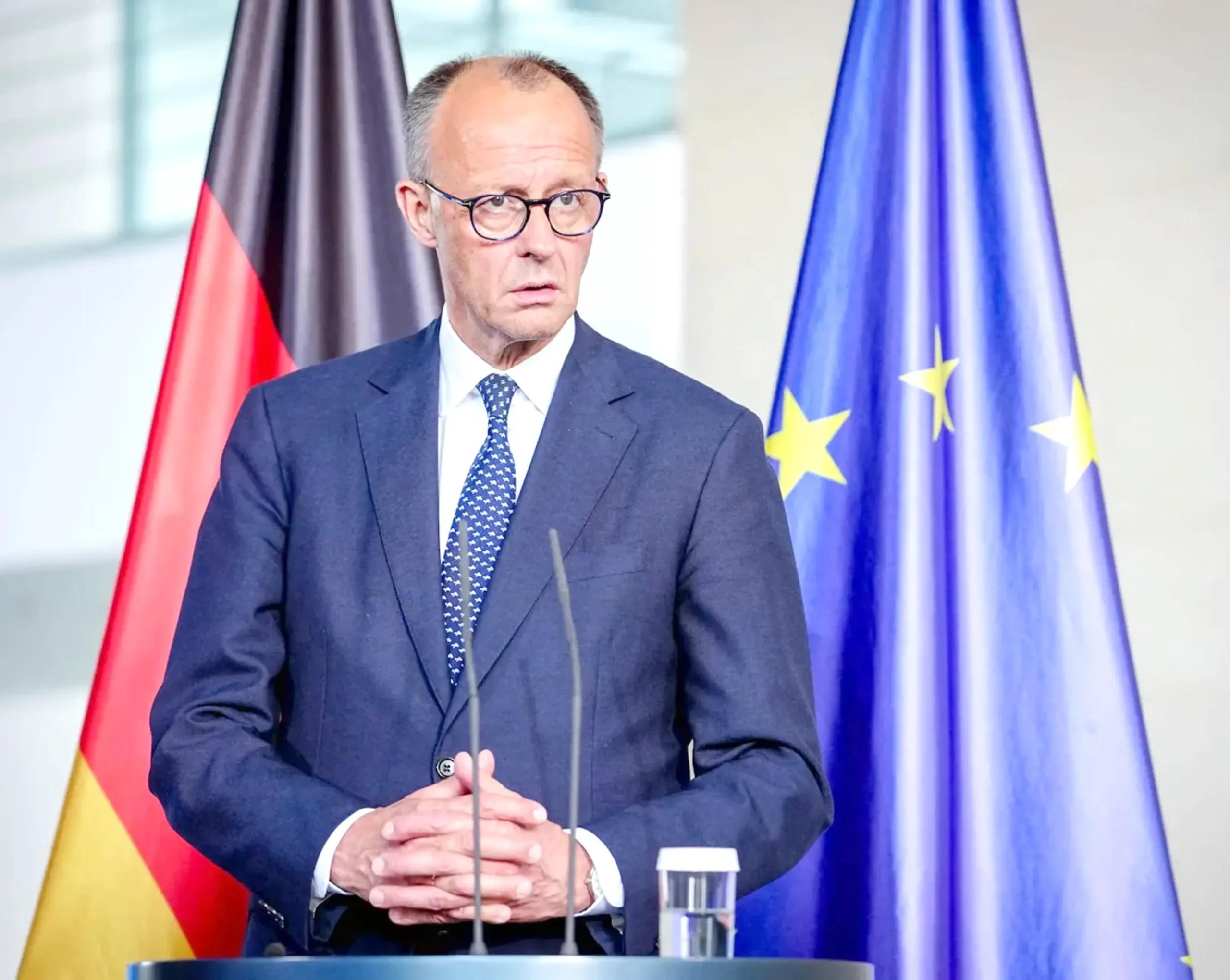
Russia and Ukraine Shift to Ground Drones, Including Malvina-M and Droid TW 12.7
18 sources compared

Thirty-Six Countries Approve Special Tribunal to Prosecute Vladimir Putin for Ukraine Invasion
12 sources compared
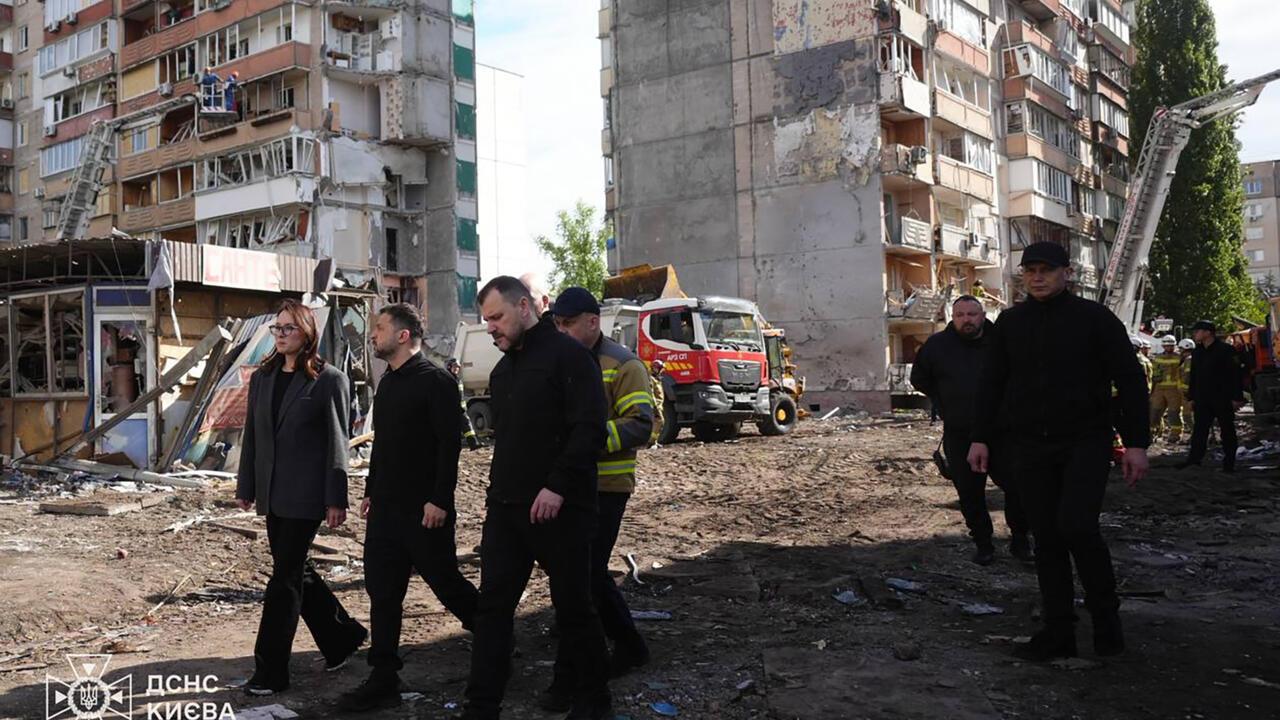
Zelenskyy Vows Response After Russian Strike Kills 24 in Kyiv’s Darnytskyi District
11 sources compared