
Ukrainian Forces Deny Russian Claim Of Capturing Miropillia In Sumy Region
Key Takeaways
- Ukrainian forces publicly deny Russia's claim of capturing Miropillia in Sumy region.
- Myropillia remains under Ukrainian control, contradicting the Russian capture claim.
- Denial prompts questions about information operations ahead of May 9.
Miropillia Denial
Ukrainian forces publicly denied a Russian claim of capturing Miropillia, saying local units “keep Miropillia under control” in the Sumy region and that reports of a Russian capture “do not reflect reality.”
“The landscape of AI dictation apps has transformed dramatically in the past two years”
The mezha.net report says the alleged capture was discussed in a post published by the Kursk military group on its page on a social network, and that “the statements by Russian forces about the village’s capture are false.”

In the same account, the Kursk military group frames the denial as a rebuttal of “Russian fantasies,” adding, “We officially state that this is an outright lie.”
The page also ties the dispute to timing, saying “ahead of May 9” and calling May 9 “the main fetish of Russian military mythology,” while asserting that “there is no enemy advance, and no assault operations in this region have been recorded in recent days.”
It further claims that “orders and medals are needed annually,” and that settlements are “captured” “at least in informational reports.”
The report concludes by emphasizing verification, saying the importance of “verifying information during armed conflicts” and turning to “reliable sources, in particular official statements from Ukrainian security forces to confirm the data.”
How Dictation Apps Are Tested
TechCrunch and Bitcoin World both describe how modern AI dictation apps are evaluated, emphasizing that the tools have improved beyond earlier limitations around speed and accuracy.
TechCrunch says that “Advances in large language models (LLMs) and speech-to-text models have changed that,” producing systems that “can decipher speech more accurately” while “retaining enough context to format the text correctly.”

It also describes built-in features that “automatically remove filler words, fix stumbles, and handle punctuation,” so output “needs far fewer edits.”
Bitcoin World lays out a more granular testing approach, saying it “tested each app across multiple environments: quiet offices, noisy cafes, and while using different microphones (built-in laptop mics, USB headsets, and wireless earbuds).”
The same article says key criteria included “transcription latency, accuracy with varied accents and technical jargon,” “the quality of automatic formatting (punctuation, filler word removal),” and “the availability of cross-platform support.”
It also states that privacy features and pricing models were “weighed…heavily,” calling them “critical for many users.”
Top Picks: Wispr Flow and Willow
Both TechCrunch and Bitcoin World highlight Wispr Flow and Willow as leading AI dictation apps, but they emphasize different aspects of what makes them stand out.
“AI dictation apps have come a long way in a short time”
TechCrunch says Wispr Flow “lets you add custom words and instructions for dictation,” and that it has native apps for “macOS, Windows, and iOS,” while adding that “an Android version is in the works.”
It also describes style controls, saying the app lets users choose from “formal,” “casual,” and “very casual” styles for different kinds of writing, including “personal messaging, work, and email.”
Bitcoin World similarly describes Wispr Flow’s customization, saying users can “define custom words and instructions” and choose from “formal, casual, or very casual writing styles.”
For Willow, TechCrunch says it “advertises itself as a big time-saver for those who don’t like to type,” and that it uses “large language models” to generate “a full passage of text from just a few dictated words.”
TechCrunch and Bitcoin World both stress privacy, with TechCrunch saying Willow “stores all transcripts locally on your device and lets you opt out of model training entirely” and Bitcoin World saying Willow “stores all transcripts locally on the device and allowing users to opt out of model training.”
Privacy and On-Device Options
Privacy-first dictation options are a major theme across the app rankings, with Monologue and Willow repeatedly framed around local processing and opt-out controls.
TechCrunch says Willow “lets you opt out of model training entirely,” and it also notes that Willow “lets you add custom vocabulary to help it adapt to your industry’s terminology, or your local dialect.”
TechCrunch then positions Monologue as the next step for users who want data kept off cloud, stating that “Monologue lets you download its AI model directly to your device for transcriptions, keeping your data off the cloud entirely.”
Bitcoin World echoes that approach, saying Monologue “allows downloading its AI model directly to the device, ensuring no data ever leaves the local machine,” and it adds that Monologue offers “per-app tone customization, adjusting its output style depending on the software being used.”
TechCrunch includes a hardware-adjacent detail, saying “the company also sends its most active users a physical shortcut device called the Monokey to use with the app.”
For Superwhisper, TechCrunch describes it as both a dictation app and a file transcription tool, saying it “can also transcribe from audio or video files,” and it highlights model choice including “Nvidia’s Parakeet speech-recognition models.”
Pricing, Offline-First, and Models
Beyond privacy, the app rankings describe a spectrum of pricing models and offline-first approaches, with VoiceTypr, Aqua, and Handy each presented with specific terms.
“A Russia claim of capturing Miropillia has been publicly denied by local Ukrainian units, raising questions about information operations ahead of May 9”
TechCrunch says VoiceTypr “takes an offline-first, no-subscription approach,” and it adds that VoiceTypr “has a GitHub repository for those who want to host and run the open source version themselves.”
It also states VoiceTypr “supports over 99 languages and works on both Mac and Windows,” and it gives a trial and purchase structure: “available to try for three days for free,” then “buy a lifetime license” costing “$35 for one device, $56 for two, and $98 for four devices.”
For Aqua, TechCrunch frames it as a Y Combinator-backed app for latency, stating “Aqua is a Y Combinator-backed voice-typing app for Windows and macOS that claims to be one of the fastest tools in the category in terms of latency.”
Bitcoin World similarly says Aqua’s free tier provides “1,000 words per month,” and it states “paid plans start at $8 per month (billed annually) for unlimited words and 800 custom dictionary entries.”
TechCrunch describes Handy as “an open-source, free transcription tool that runs on Mac, Windows, and Linux,” and it says it is “pretty basic and doesn’t offer much customization,” while still providing “push-to-talk and hotkey customization.”
More on Technology and Science

G7 Leaders Discuss Ukraine, Middle East, China Supply Chains, and U.S. AI Export Controls
10 sources compared
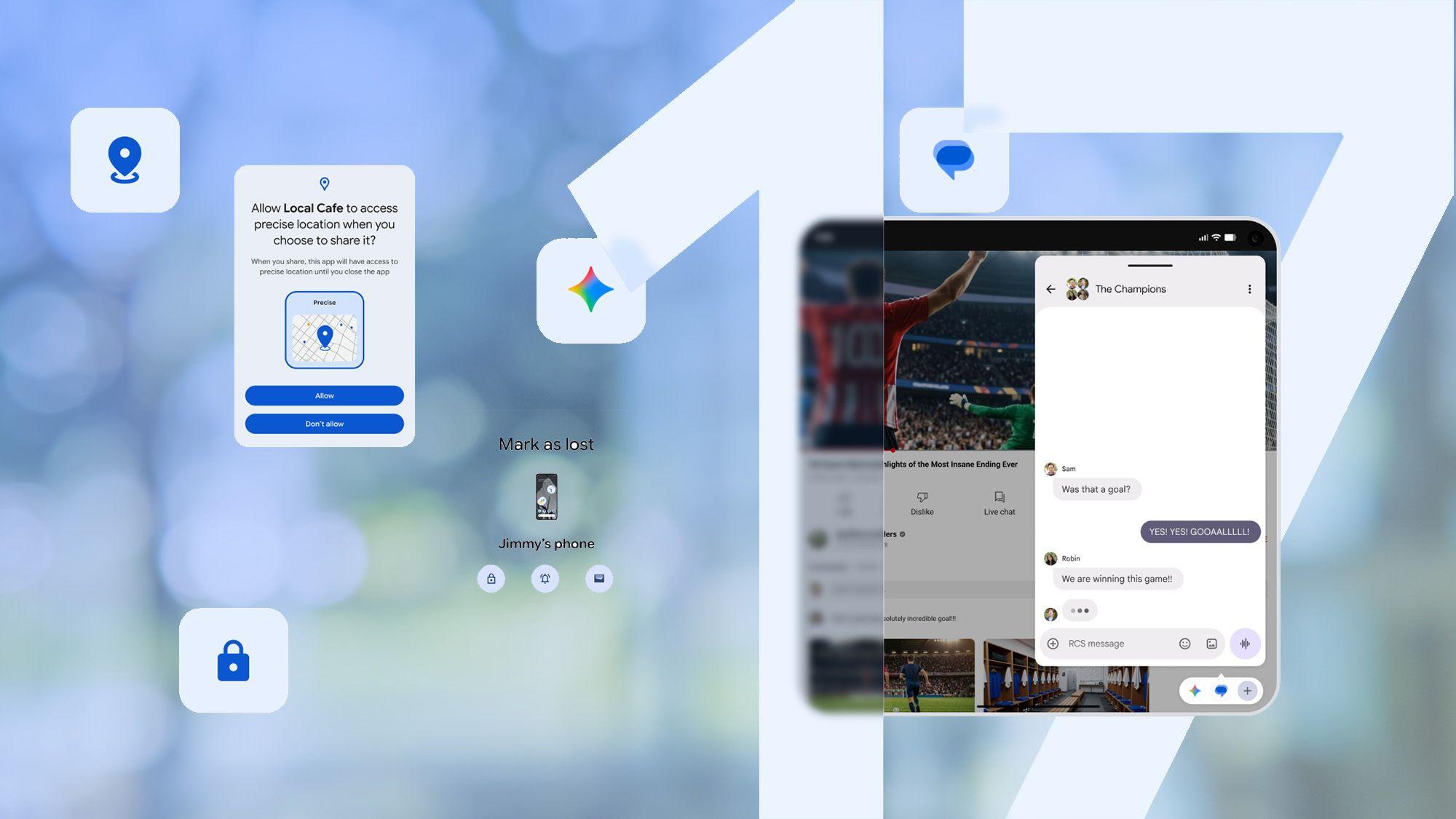
Google Rolls Out Android 17 to Pixel Phones With Wear OS 7 Update
16 sources compared

Keir Starmer Announces U.K. Ban On Social Media For Children Under 16
12 sources compared

Mobileye Plans US Robotaxi Service With 100 Vehicles Starting 2027
11 sources compared