UN Says Israel Expanded Gaza Occupation With “Orange Line” Inside “Yellow Line”
Key Takeaways
- UN says Orange Line inside Yellow Line expands Israeli control in Gaza.
- Orange Line covers about 11% of Gaza beyond Yellow Line; thousands displaced included.
- Dujarric: UN maps include Orange Line; aid movements must coordinate with Israel.
UN maps and the “Orange Line”
The United Nations has told humanitarian actors that Israel has expanded its occupation of the Gaza Strip by establishing an “orange line” inside the “yellow line,” a change the UN says is contrary to the ceasefire agreement signed last October.
“Toggle Play Israel’s expanding ‘orange line’ tightens deadly no-go zones in Gaza Israel’s expanding “orange line” is deepening movement restrictions across Gaza, raising deadly risks for civilians and aid workers”
UN Secretary-General’s spokesperson Stéphane Dujarric said during a press conference, “The UN has maps showing another colored line called the 'orange line,' which has been provided to UN personnel working in the field of humanitarian aid.”

Dujarric added that the UN has been informed that humanitarian aid teams must coordinate their movements in advance with the Israeli occupation forces when crossing the “orange line,” indicating that areas considered unsafe by the organization are becoming increasingly alarming.
The Peninsula Qatar frames the “yellow line” as a de facto line within the Gaza Strip to which Israeli occupation forces temporarily withdrew under the ceasefire agreement signed between Hamas and Israel, brokered by the US.
In the same reporting, QNA says the UN disclosed that Israel expanded its occupation through the creation of an “Orange Line” inside the “Yellow Line,” again “contrary to the ceasefire agreement signed last October.”
The QNA dispatch repeats Dujarric’s point that the UN has maps that include another colored line called the “Orange Line,” presented to UN humanitarian staff, and that the UN was informed of the need for humanitarian aid teams to coordinate their movements in advance with Israel when crossing it.
How the zone is drawn
Multiple reports describe the “Orange Line” as a newly delineated restricted area that sits beyond the “Yellow Line” used to mark the reach of Israeli forces under a ceasefire framework in October.
Boursorama says “New Gaza Strip maps published quietly by Israel in March place thousands of displaced Palestinians inside an expanded restricted zone, delimited by an Orange Line,” and that the Orange Line area extends to about 11% of the enclave’s territory beyond the Yellow Line.

It adds that “In total, the expanded restricted zone represents nearly two-thirds of the entire Gaza Strip,” and that the IDF sent these maps in mid-March to humanitarian organizations present in Gaza, according to two humanitarian sources.
Boursorama also reports that the area between the Yellow Line and the Orange Line is presented by Israel as a regulated zone intended to allow the delivery of food aid, with the requirement that NGOs coordinate their movements with the Israeli army, while “Civilians are not affected, the IDF said.”
The Peninsula Qatar similarly describes the “yellow line” as a de facto line within the Gaza Strip and says the UN says the “orange line” has been provided to UN personnel working in humanitarian aid.
The elnabaa elwatany newspaper adds a different framing of the same development, saying the UN warned of expanding Israeli control through the Orange Line inside the Yellow Line framework linked to ceasefire arrangements announced in October 2025.
Aid coordination and civilian fears
The UN’s message about the “Orange Line” is tied directly to movement rules for humanitarian teams, and the reporting emphasizes that coordination is required in advance with Israeli occupation forces.
“The United Nations expressed concern over Israel expanding its control inside the Gaza Strip, following the introduction of a new adjustment to the military-position maps known as the Orange Line, within the Yellow Line framework linked to ceasefire arrangements announced in October 2025”
Dujarric told reporters that the UN was informed “humanitarian aid teams must coordinate their movements in advance with the Israeli occupation forces when crossing the 'orange line,'” and the Peninsula Qatar says this indicates areas considered unsafe are becoming increasingly alarming.
Boursorama adds that the Orange Line zone is presented by Israel as regulated for food aid delivery, but that NGOs must coordinate their movements with the Israeli army, and it reports that the prospect of an expanded restricted zone has heightened fears among displaced Palestinians who worry they could be targeted and killed by the IDF.
In the same account, Rani Ashour, who lives in a displacement camp near the city of Gaza between the two lines, is quoted saying, “People do not know what this orange line is,” and “It is there today, you wake up tomorrow, and you realize it has passed you.”
Al Jazeera’s report similarly describes the “orange line” as deepening movement restrictions across Gaza and raising “deadly risks for civilians and aid workers,” with Tareq Abu Azzoum reporting from Gaza City on how invisible boundaries fragment the strip.
The elnabaa elwatany newspaper also says the UN stressed that safe areas inside the sector shrink and that the UN is seeking clarifications about the nature of these adjustments and their on-the-ground limits, linking the change to safety concerns for civilians and humanitarian workers.
Deaths, strikes, and disputed figures
The reporting ties the “Orange Line” and the space between it and the “Yellow Line” to lethal incidents involving humanitarian workers and to ongoing military operations.
Boursorama says that since mid-March, “at least three Palestinians working for foreign humanitarian groups — two for UNICEF, one for the World Health Organization (WHO) — have been killed by the IDF in the area between the two lines,” and it reports that “Each time, the Israeli army said it had identified threats near the Yellow Line and had opened fire.”

In that same account, it states that when asked whether they had coordinated with the IDF the movements of their workers, “UNICEF and WHO did not immediately respond to these requests for comment.”
Boursorama also reports that “Despite the announcement of a ceasefire, Israeli strikes on Gaza have continued almost daily since October,” and it provides a casualty comparison: “At least 800 Palestinians have been killed by the IDF in the enclave since that date, according to doctors, while four Israeli soldiers were killed there in the same period, according to Israeli authorities.”
The Qatar news agency dispatch includes additional context about the conflict, stating that Hakan Fidan, the Turkish Foreign Minister, “confirmed that pressure on Israel to achieve progress in the Gaza peace plan and to prevent violations has intensified.”
It also reports that “Three Palestinians were killed and another injured in an Israeli airstrike on the city of Gaza,” and it says the World Health Organization called for allowing medicines and essential supplies to enter the besieged Gaza Strip without delay.
What happens next
The sources portray the “Orange Line” as a continuing and potentially durable shift in Gaza’s internal geography, with humanitarian access and civilian safety at stake.
“If October 7, 2023 marks a major turning point in the reconfiguration of power relations in the Middle East, it was also a pretext to redraw the lines of demarcation”
Boursorama says the area between the Yellow Line and the Orange Line is presented by Israel as regulated for food aid delivery, but it also reports that the prospect of an expanded restricted zone has fueled fears that Israel could control the zone indefinitely, while Israeli ministers have previously called for Gazans to flee and to occupy the enclave.

It further states that the IDF says it has authority to operate in this area and to target Palestinians, and it describes how the Yellow Line planned by the ceasefire is supposed to be marked on the ground by blocks of concrete painted yellow.
The Peninsula Qatar reports that the UN says the “orange line” is contrary to the ceasefire agreement signed last October, and it notes that the UN has maps showing the new colored line provided to humanitarian personnel.
The elnabaa elwatany newspaper says the UN is seeking clarifications about the nature of these adjustments and their on-the-ground limits, and it warns that safe areas shrink and that unilateral changes would complicate humanitarian work and hinder aid delivery.
Al Jazeera’s report, meanwhile, frames the “orange line” as tightening no-go zones and increasing deadly risks for civilians and aid workers, and it places the story in Gaza City through Tareq Abu Azzoum’s reporting.
More on Gaza Genocide
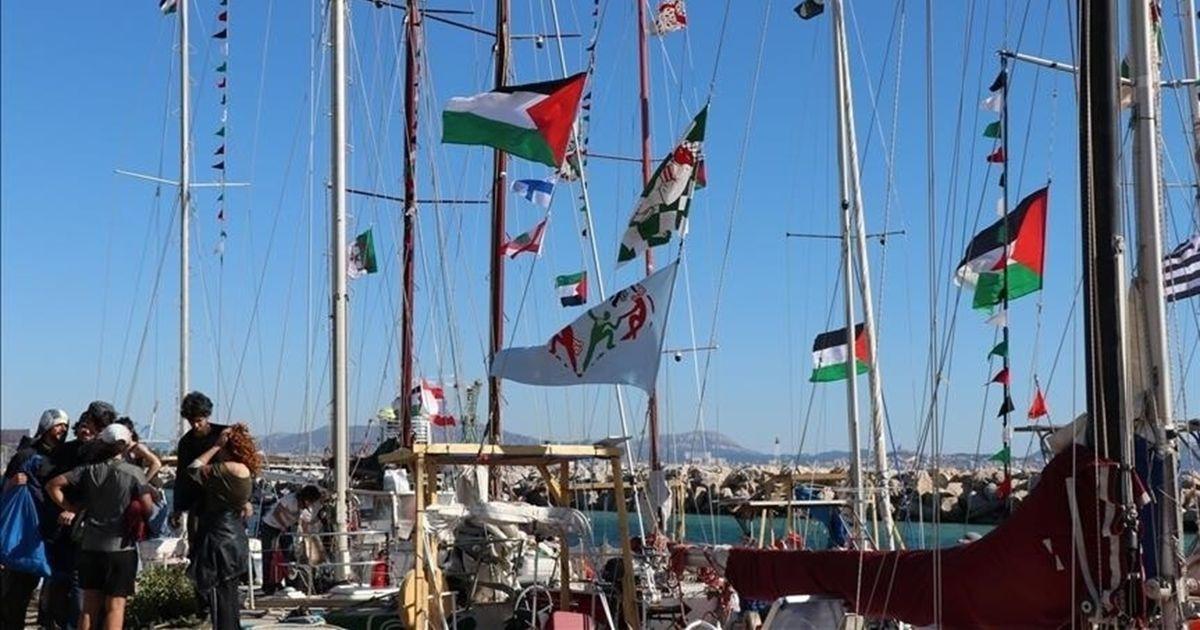
Israel Detains Saif Abu Keshek and Thiago De Avila After Intercepting Global Sumud Flotilla
10 sources compared
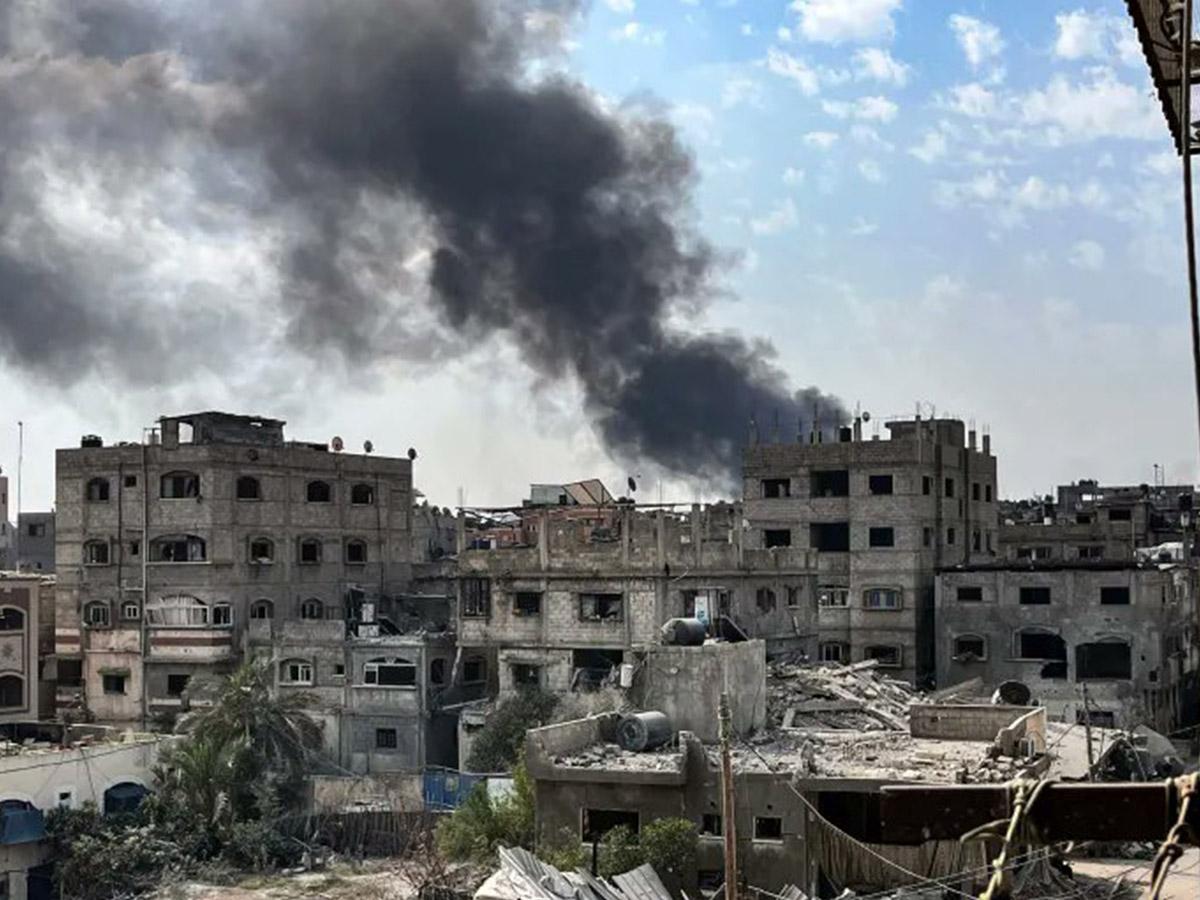
Israeli Reservist Kills 14-Year-Old Palestinian Near Al-Mughayyir School in West Bank Shooting
11 sources compared

Israel Intercepts Gaza Aid Flotilla, Detains Six Australians Before Releasing Them in Crete
11 sources compared
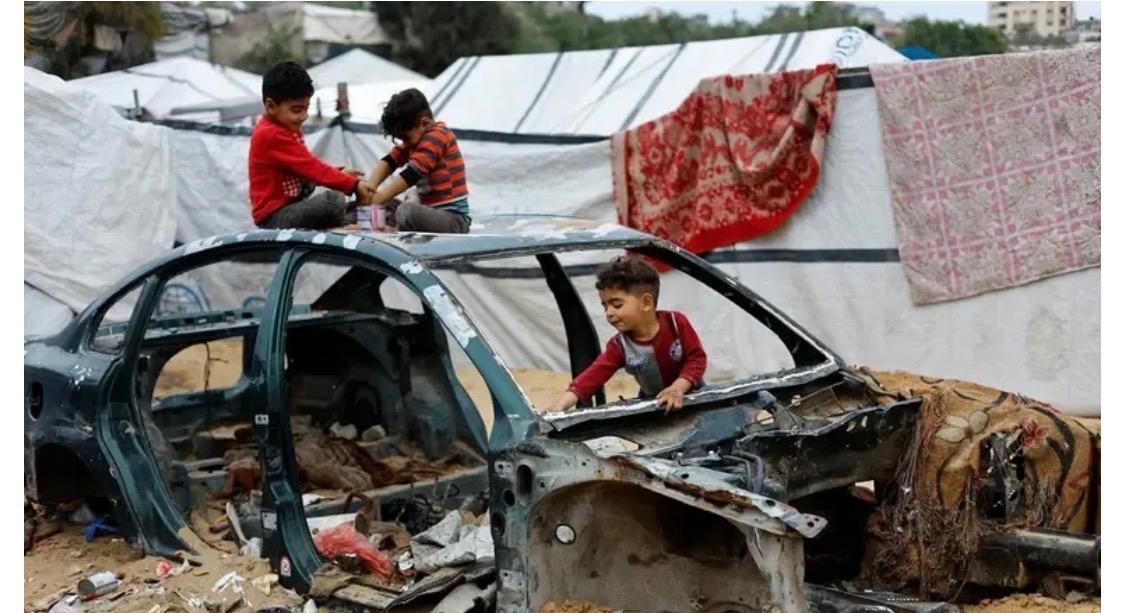
Rats and Weasels Overrun Gaza Displacement Camps, Spreading Disease to 1.45 Million
18 sources compared