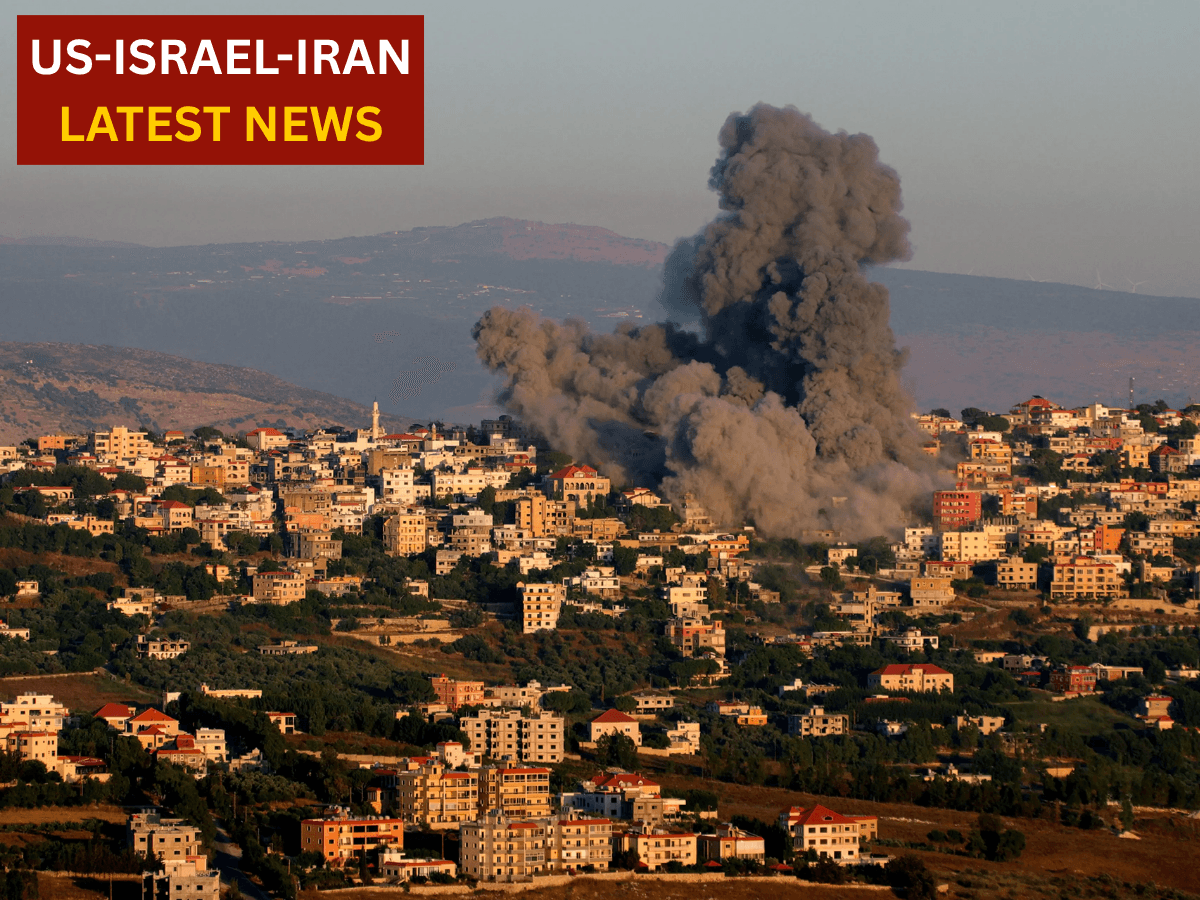
UN Security Council Extends UNIFIL Mandate Until 2026, Plans Withdrawal From Lebanon in 2027
Key Takeaways
- UN Security Council extends UNIFIL mandate for a final time in southern Lebanon.
- Withdrawal of UNIFIL from Lebanon planned for 2027.
- The United States and Israel pressured the extension and withdrawal plan.
UNIFIL set to end
The UN Security Council decided to extend one final time the mandate of the peacekeeping force in southern Lebanon and to plan its withdrawal for 2027, with the resolution adopted unanimously on Thursday, August 28, 2025.
The resolution decides to extend UNIFIL’s mandate until December 31, 2026 and to begin a reduction and an orderly and safe withdrawal starting December 31, 2026 within a one-year timeframe, while about 10,800 Blue Helmets have served as a buffer between Israel and Lebanon since March 1978.

In a video message, Israeli ambassador to the UN Danny Danon immediately hailed the move as “good news,” accusing the mission of failing to prevent Hezbollah from “taking control of the region.”
The vote comes as Beirut has pledged to disarm and dismantle the pro-Iranian Shiite movement Hezbollah by the end of the year under Washington’s pressure and as part of the ceasefire implementation that ended the war with Israel in 2024.
Diplomacy and pressure
France’s foreign minister Jean-Noël Barrot, on an express trip to Beirut to show France’s solidarity with Lebanon, suggested the idea of a “truce” in the Cedar country during a dinner on Thursday, March 19 at Michel Issa’s table.
A Lebanese government source confirmed that “Ambassador Issa did not bite at this idea,” while Barrot was to continue his mission by flying on Friday to Israel to meet his counterpart Gideon Saar.

The UNIFIL decision is described as being made under pressure from the United States and Israel, with the resolution adopted Thursday programming the end of the mission within 16 months.
In the same context, the Lebanese president Joseph Aoun argued last week that “toute limitation du mandat de la Finul (...) aurait un impact négatif sur la situation,” as Israel continues to occupy certain portions of Lebanese territory.
What comes next
The resolution specifies that at the end of the period, the Lebanese army will be the only force to ensure security in the south of the country, after UNIFIL’s reduction and withdrawal.
It also calls on Israel to withdraw its forces from the north of the Blue Line, including “les cinq positions sur le territoire libanais,” while the ceasefire agreement provides for Hezbollah to withdraw from the area south of the Litani River and for the dismantling of its military infrastructure.
The same sources say Israel maintains troops in border positions deemed strategic and regularly carries out strikes against its northern neighbor, even as the ceasefire agreement provides for an Israeli withdrawal from the area.
The UNIFIL vote therefore lands alongside Beirut’s pledge to disarm and dismantle Hezbollah by the end of the year, with the agreement framed as trading Hezbollah’s withdrawal and dismantling for reinforcement of the Lebanese army’s deployment and UN peacekeepers.
More on Lebanon
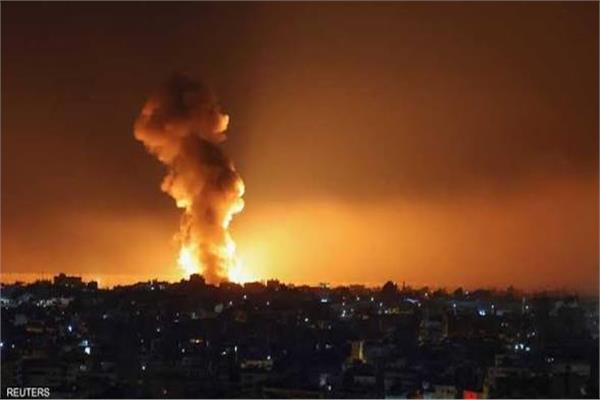
Israel Orders Evacuation From Southern Lebanon Combat Zones Ahead of Strikes on Hezbollah
12 sources compared

Israeli Strikes Hit Tyre After IDF Declares South Lebanon A Combat Zone
10 sources compared
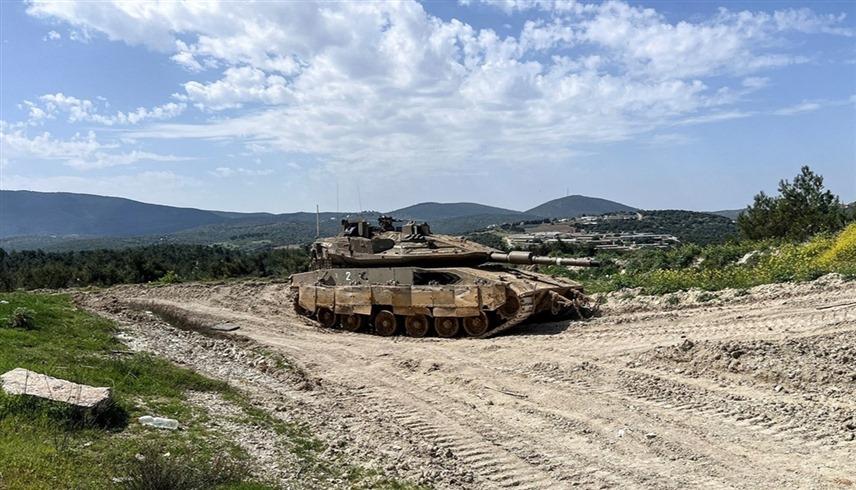
Israeli Forces Create “Yellow Line” Up To 10 Kilometers Into Southern Lebanon, Separating 55 Villages
11 sources compared

Israeli Strikes Kill Four Women as Netanyahu Deepens Ground Offensive in Southern Lebanon
25 sources compared