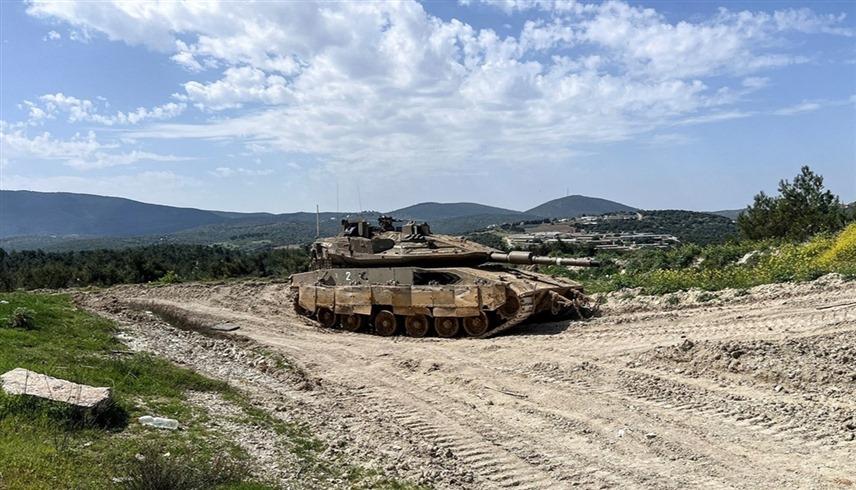
Israeli Forces Create “Yellow Line” Up To 10 Kilometers Into Southern Lebanon, Separating 55 Villages
Key Takeaways
- Israel drew a yellow line in southern Lebanon, separating villages.
- The line is described as part of Israel's broader strategy in Lebanon.
- Attacks continued despite the ceasefire, with evacuation warnings issued for southern towns.
Yellow Line, Gaza-style
Israeli strikes and the prospect of a new occupation footprint in southern Lebanon are being framed through the creation of a “Yellow Line” that, according to Euronews, extends up to 10 kilometers into Lebanese territory and is meant to separate 55 border villages from the rest of Lebanese territory.
“Despite the ceasefire”
Euronews says the line runs from Ras Naqoura in the west to the eastern chain of Lebanon’s mountains in the east, and that civilians are forbidden to approach or cross it, with anyone who does so considered a “legitimate target” for Israeli forces.

La Croix reports that on the nineteenth day of the war launched by Israel against Hezbollah, 968 people have been killed, including 116 children, and at least 2,432 have been injured.
La Croix also says that between 10 and 30 deaths are recorded each day at the pace of Israeli strikes that shell the south of Lebanon up to the heart of Beirut.
Threats and competing claims
Defense Minister Yisrael Katz said Israel would use “full power” in Lebanon even during the truce with Hezbollah if its soldiers were threatened, and he ordered the army “to remove the homes in the border villages” described as Hezbollah staging points.
In the same framing, the Israeli army spokesman Avichai Adraee urged Lebanese civilians not to return to a number of border villages until further notice, citing security risks, while the Israeli army warned residents of about 80 villages in southern Lebanon not to return there.
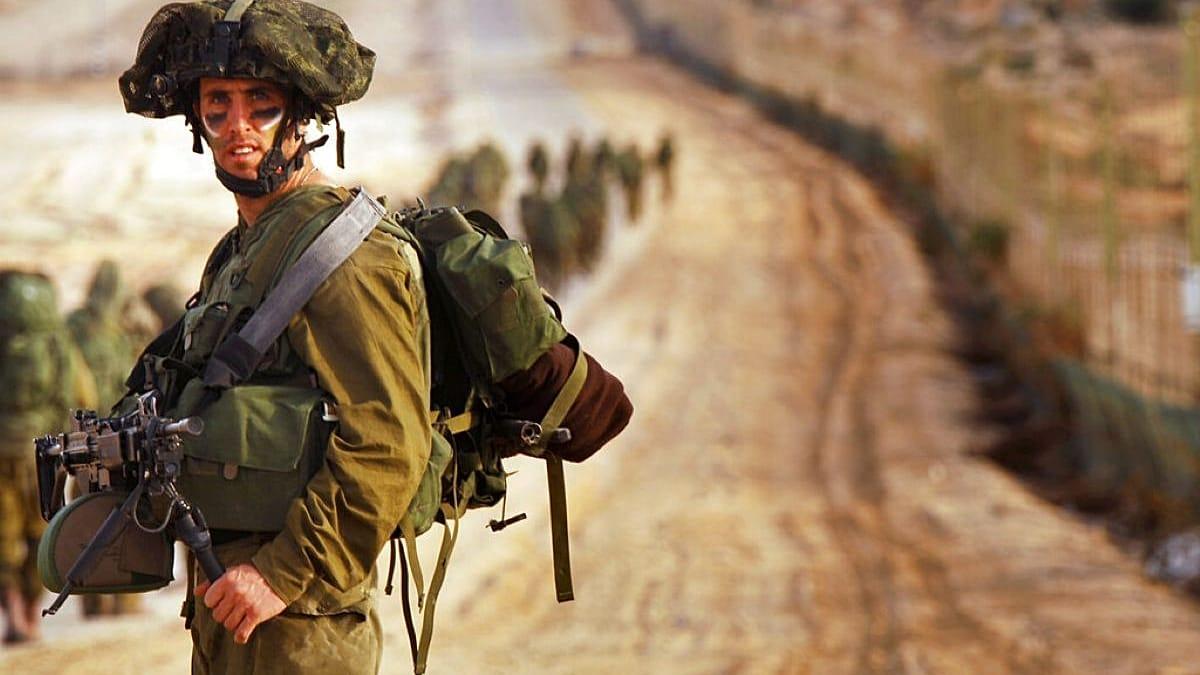
The Guardian’s account of life inside Israel’s “yellow line” describes Kfarchouba as a 6-mile-wide strip along the Israel-Lebanon border occupied since the 17 April ceasefire agreement, with Israeli forces conducting raids and searching homes.
Nazih Yehya, a shop owner in his 70s, told The Guardian, “Out there, it’s Gaza: they are levelling everything,” while he said, “Here it is the West Bank: it’s not destroyed, but they want to make sure this area is under their control.”
What’s at stake next
The ceasefire’s fragility is reflected in Anadolu Ajansı’s account that, despite a temporary ceasefire in place since Thursday, the Israeli army announced attacks in southern Lebanon on Monday, saying forces of the Paratroopers Brigade spotted militants in the Bent Jbeil area who violated cease-fire understandings.
“Between 10 and 30 deaths are recorded each day, at the pace of Israeli strikes that shell the south of Lebanon up to the heart of Beirut”
Anadolu Ajansı reports that the Israeli army said the air force, under the direction of forces in the area, launched an attack and eliminated the militants to remove the threat, while it also described another incident in the Litani area involving the Golani Brigade.
Euronews adds that Israel says the security belt is meant to prevent Hezbollah fighters from approaching the border, while it also notes that Lebanese politicians announced their rejection of the line and called for full Israeli withdrawal from the south.
Euronews further reports that Defense Minister Yisrael Katz hardened his tone, saying that any building that poses a threat to his forces in southern Lebanon will be completely destroyed, and that Hezbollah “chose to attack Israel in service of Iran,” with Naeem Qassem “will pay the price,” in Katz’s words.
More on Lebanon

Joseph Aoun Tells Rodolphe Haykal Lebanon Army Role After U.S.-Israel Framework Agreement
10 sources compared
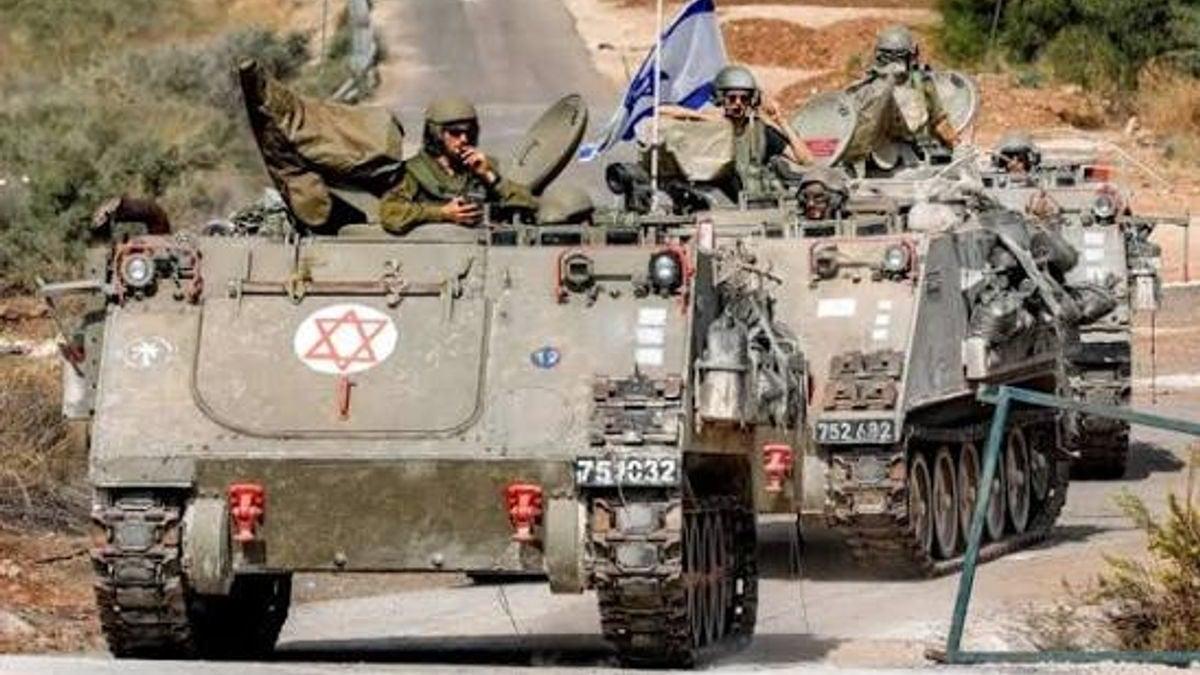
U.S. Delegation Meets Lebanon Army in Beirut to Implement Israel Pilot Zone Withdrawal
24 sources compared

Hezbollah Rejects Israel-Lebanon Framework Agreement After Washington Talks With Marco Rubio
11 sources compared

Sheikh Naim Qassem Says Lebanon Framework Agreement Transfers Sovereignty From Zionist Regime
33 sources compared