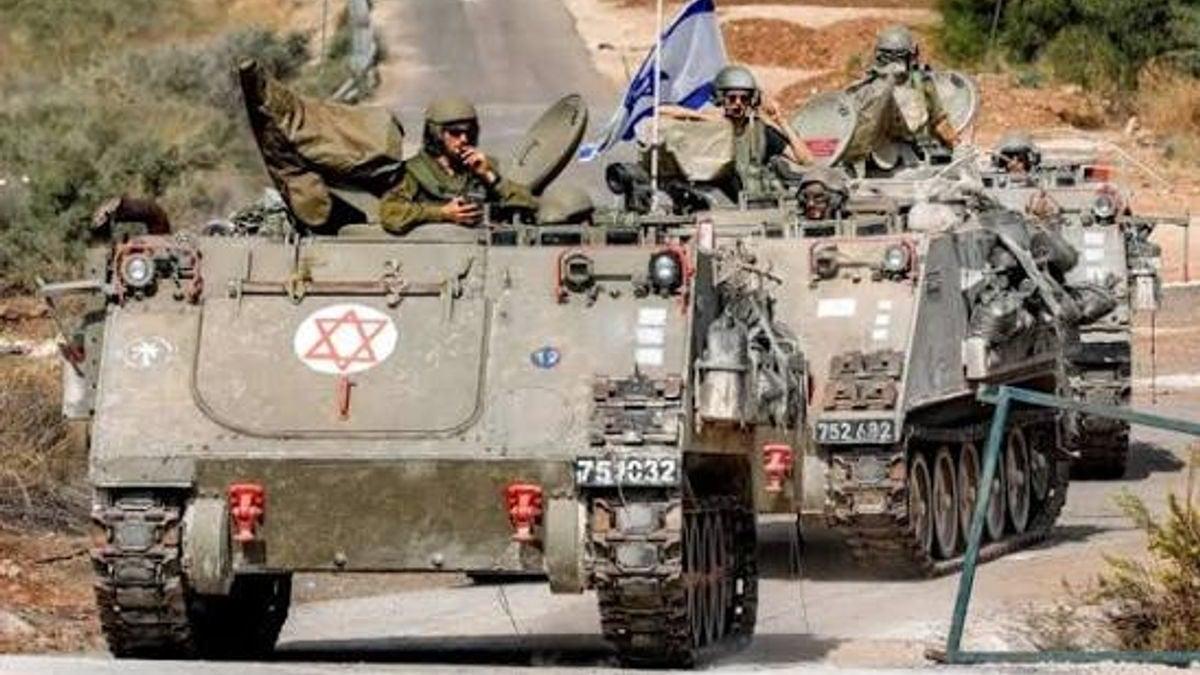
U.S. Delegation Meets Lebanon Army in Beirut to Implement Israel Pilot Zone Withdrawal
Key Takeaways
- US military delegation meets Lebanon army in Beirut to discuss first pilot zone withdrawal
- Israel to withdraw from pilot zones in southern Lebanon under US framework; US supervising
- First pilot zone to launch in coming days; additional zones planned under phased withdrawal
Pilot zones talks in Beirut
A U.S. military delegation met with Lebanon's army in Beirut to discuss how to implement Israel's withdrawal from one of the "pilot zones" in occupied territory, a Lebanese military official reportedly told Agence France-Presse (AFP) on Saturday.
“Military delegations from the United States and Lebanon have met in Beirut to work out how to implement the first phase of a U”
The visit came under a framework agreement reached on June 26, under which Israel is expected to gradually withdraw from areas of southern Lebanon where it sent troops as part of its military campaign against Hezbollah.

As part of the agreement, the Lebanese military will take full control of two small areas described as pilot zones, and the Lebanese military official said the American delegation arrived to discuss "the mechanisms for implementing the first pilot zone from which the Israelis will withdraw, allowing the Lebanese army to deploy,".
The deal does not set a timetable for Israel's withdrawal, and Israeli officials have also said their forces will remain in a "security zone" 10 kilometers, or 6 miles, deep as long as Hezbollah remains armed.
Lebanon's state-run National News Agency reported several Israeli strikes in the south on Saturday, while the latest round of talks between Lebanon and Israel is set to take place in Rome next Wednesday and Thursday.
Freezing sensitive operations
Israel’s political leadership instructed the military to freeze all operations classified as "sensitive" in southern Lebanon following a request from the United States, Israel’s public broadcaster reported Friday evening.
The directive was reported to remain in force until further notice, pending greater clarity over the current escalation between the US and Iran and the ongoing negotiations between Israel and Lebanon.

The New Arab reported that Israel’s military expects to begin withdrawing from the designated "pilot zones" in southern Lebanon as early as the coming week, coinciding with a new round of talks between Lebanon and Israel in Rome on 15 and 16 July.
In parallel, the Israeli Broadcasting Authority said the occupation is preparing in the coming days to begin withdrawing from a number of experimental areas in southern Lebanon, while also reporting a drone strike that targeted a car in the town of Kafr Reman in the Nabatieh District.
The same Israeli Broadcasting Authority report said Israeli Defense Minister Yisrael Katz stated, "We did not seek permission from any party to enter Lebanon, nor do we need permission to stay in Lebanon either."
Displacement and sovereignty stakes
The U.S.-brokered framework agreement is intended to achieve an Israeli withdrawal from southern Lebanon, with the long-disempowered Lebanese military taking full control of two small areas dubbed pilot zones, and Hezbollah rejecting the agreement.
Al Jazeera reported that despite the breakdown in the ceasefire, Hezbollah has held its fire in Lebanon, while Israel continued attacks, including raids in the south and fires and home damage described by Lebanon’s state-run National News Agency.
Al Jazeera also said the war began in early March after the U.S. and Israel attacked Iran, and that it has displaced more than a million people in Lebanon, with OCHA reporting more than 732,000 people had returned home up from 640,000 a week ago.
The same Al Jazeera report said about 430,000 still displaced, leaving the humanitarian situation tied to whether the pilot-zone mechanism proceeds before the Rome talks next Wednesday and Thursday.
In the background of the negotiations, Israel’s forces are described as vowing to remain in a security zone 10 km (6 miles) deep as long as Hezbollah remains armed, while Lebanon conditions its participation on Israel withdrawing from two pilot zones.
More on Lebanon
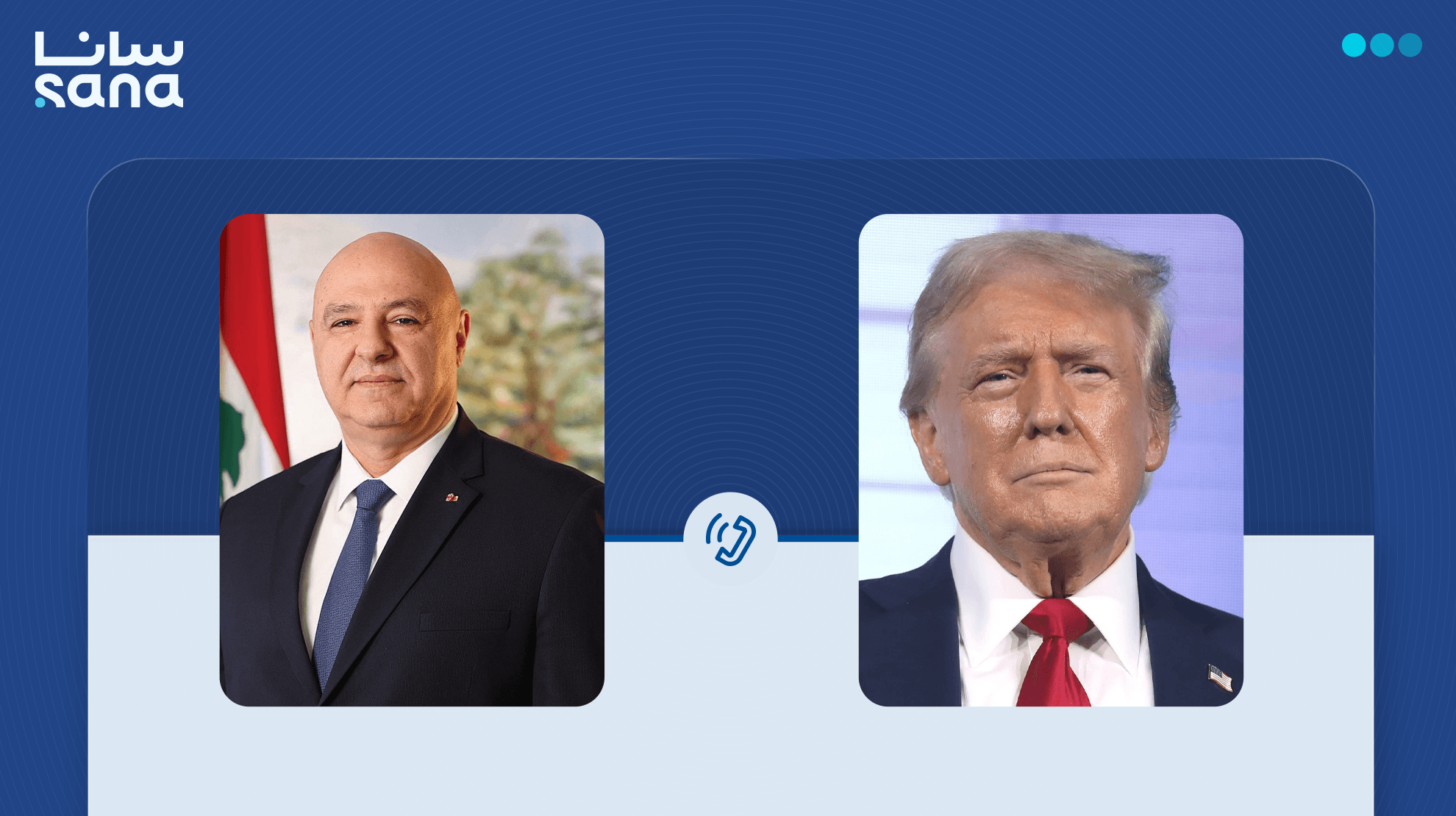
Joseph Aoun Tells Rodolphe Haykal Lebanon Army Role After U.S.-Israel Framework Agreement
10 sources compared
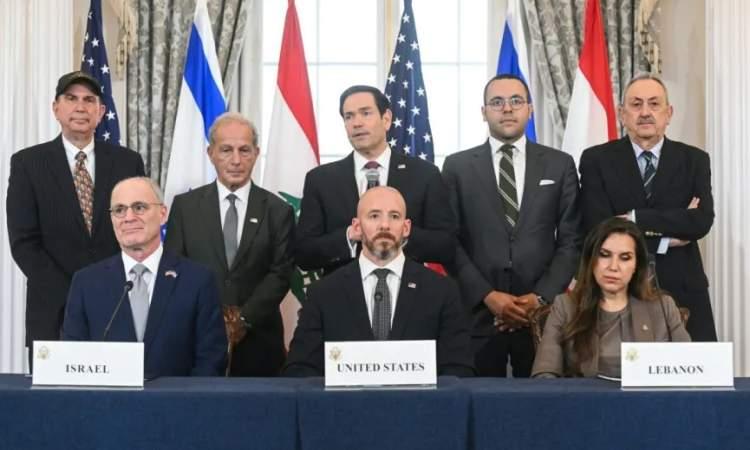
Hezbollah Rejects Israel-Lebanon Framework Agreement After Washington Talks With Marco Rubio
11 sources compared

Sheikh Naim Qassem Says Lebanon Framework Agreement Transfers Sovereignty From Zionist Regime
33 sources compared

Israeli Forces Withdraw From Dibin as Lebanese Army Opens Roads With UNIFIL
18 sources compared