Sudan · 03 May, 2026 · 7 min read
UNESCO Honors Sudanese Journalists Syndicate With Guillermo Cano World Press Freedom Prize
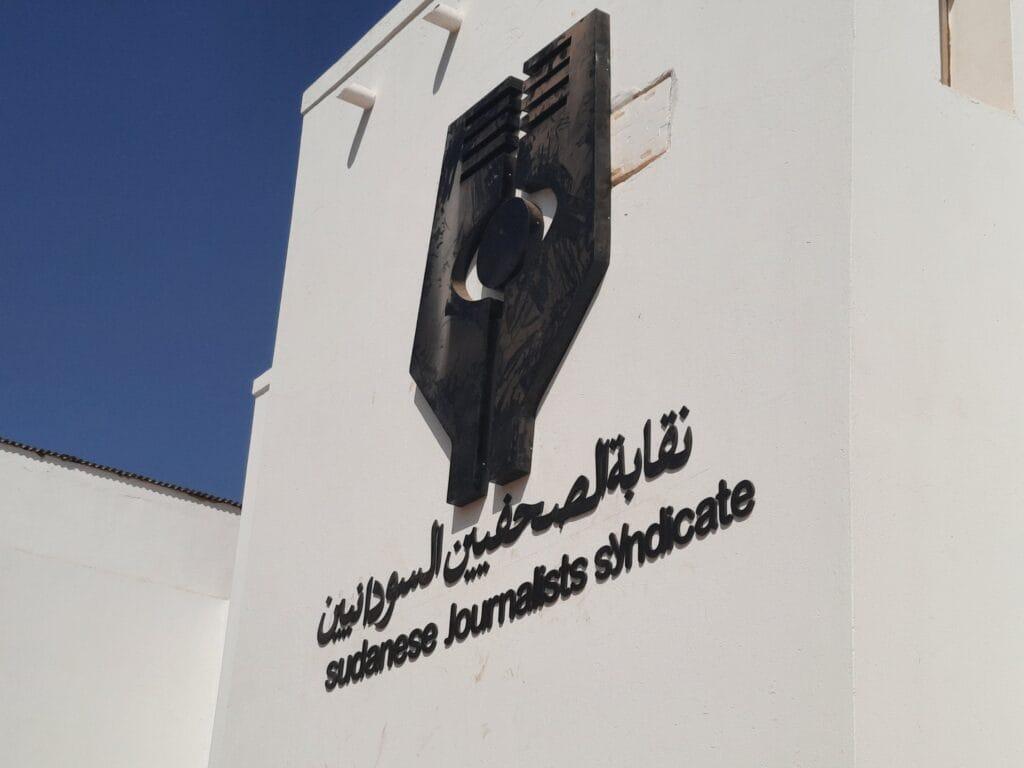
Sudanese Journalists Syndicate awarded UNESCO Guillermo Cano Prize for Freedom of the Press 2026. Prize honors their defense of press freedom amid Sudan's conflict and targeting of journalists.
How many journalists were killed since the outbreak of Sudan’s war.
11 of 12 outlets skipped it: a UN Peacekeeping side event explicitly centers the role of radio for information integrity in conflicts (with named stations and AI/digital transition questions)..
35outlets compared
Same story, two versions
tap a side to read it in full
UNESCO
“Since fighting began in 2023, the Syndicate has recorded the deaths of 32 journalists, 556 violations against media professionals, and the closure of many newspapers and radio stations, making Sudan one of the world’s most dangerous countries for journalists.”Read the original ↗
VVoice of Emirates
“The Sudanese Journalists Syndicate announced that 34 journalists have been killed since the outbreak of war in mid-April 2023.”Read the original ↗
A 2-journalist discrepancy suggests either differing cut-off dates, reporting conventions, or contested/updated casualty counts—affecting how the scale of risk is communicated internationally.
Prize for Press Under Fire
On Thursday, April 30, UNESCO awarded the UNESCO/Guillermo Cano World Press Freedom Prize to the Sudanese Journalists Syndicate, honoring what UNESCO described as the syndicate’s “relentlessly denounces the deliberate targeting of journalists covering the conflict in Sudan.”U
“UNESCO's World Press Freedom Prize was awarded on Thursday, April 30, to the Sudanese Journalists Syndicate”
UNESCO said that since fighting began in 2023, the syndicate has documented the deaths of 32 journalists and 556 violations of the rights of media workers, while “the shutdown of many newspapers and radio stations” has left Sudan “one of the world’s most dangerous countries for journalists.”U
UNESCO Director-General Khaled El-Enany said, “The members of the Sudanese Journalists Syndicate have shown exceptional courage and unwavering commitment,” and added that despite “substantial difficulties,” journalists “continue, day after day, to provide their communities with precise and vital information.”U
The prize announcement also came ahead of World Press Freedom Day, celebrated on May 3, and UNESCO said the award ceremony would be held at UNESCO Headquarters on May 4.U
UNESCO’s press release framed the prize as recognition not only of the syndicate but also “all Sudanese journalists who continue to defend truth and press freedom under extremely difficult and dangerous conditions.”U
In parallel, La Croix reported that the prize was awarded on Thursday, April 30, and quoted the syndicate president Abdelmoneim Abu Idris Ali saying, “This prize is not only a recognition of the Sudanese Journalists Syndicate, but also a tribute to all Sudanese journalists who continue to defend truth and press freedom under extremely difficult and dangerous conditions.”
A War That Silences News
UNESCO said the conflict in Sudan has “severely disrupted information gathering and damaged the country’s media landscape,” turning the country into a “true 'zone of silence'.”U
In its account, UNESCO said “Nearly 90% of the country’s media infrastructure has been destroyed,” and that “reporters have been forced to stay at home or at their workplaces because of street violence,” while “Internet and telecommunications outages have further hampered their information work.”U
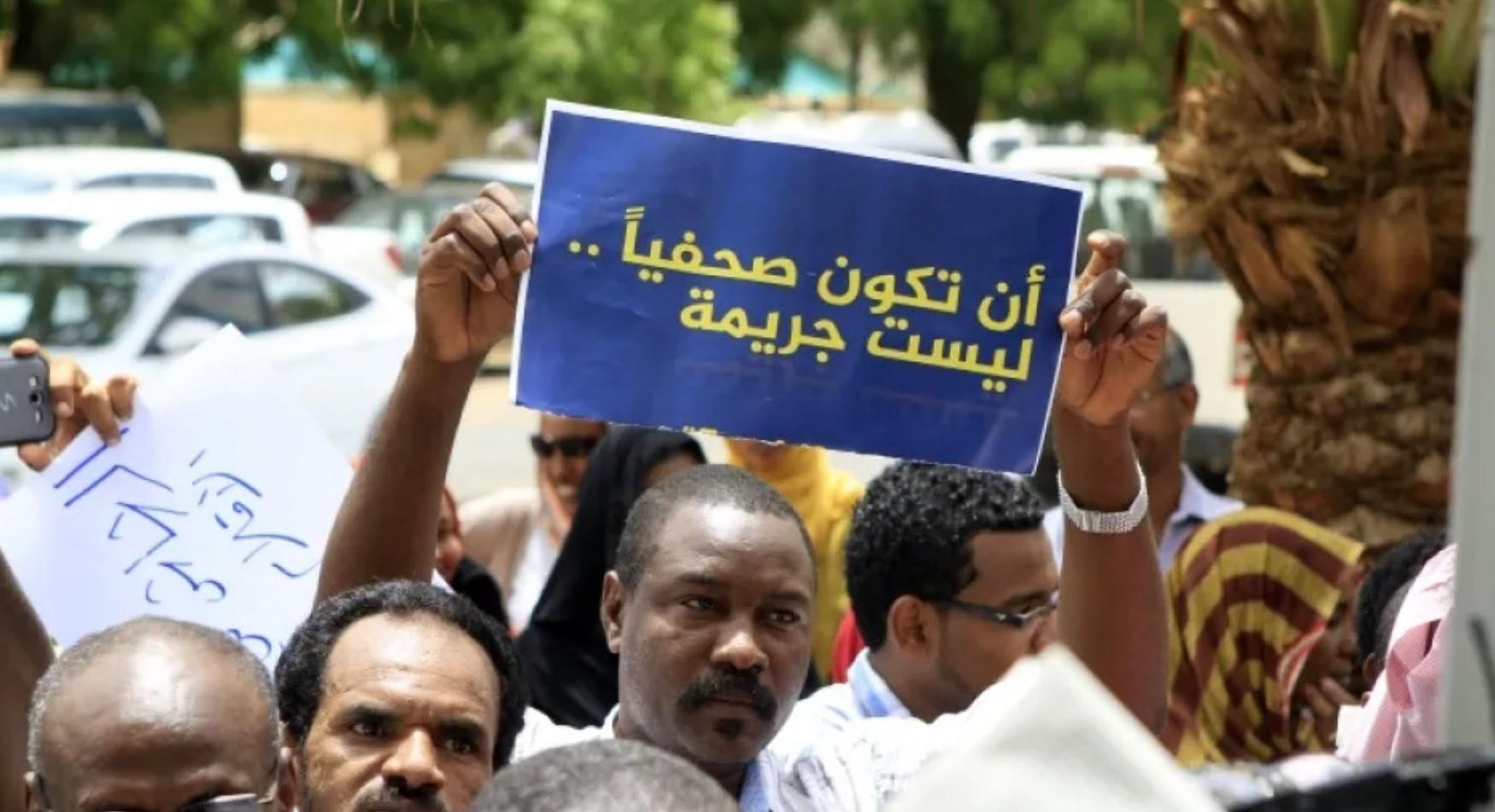
UNESCO added that these conditions leave “a large portion of the population lives in an informational vacuum,” as “Misinformation and disinformation are spreading on a large scale, as is war propaganda, fueling hatred and polarization.”U
UN News similarly described Sudan as a “zone of silence,” saying “Almost 90% of infrastructure has been destroyed,” and that journalists face “threats, arrests, and internet outages.”
UN News also stated that “Many newspapers and radio stations have ceased operations,” and that journalists are “forced to work in precarious conditions, or even to cease all activity.”
The UNESCO press release said journalists have been “threatened with violence and arrest,” and it described the conflict’s impact as a direct degradation of the ability to gather and distribute information.U
Numbers of Deaths and Violations
While UNESCO and UN News cited 32 journalist deaths and 556 violations, the Sudanese Journalists Syndicate’s own statement, as carried by صـوت الإمارات, put the toll higher and emphasized the scale of violations since the war began.U
“34 journalists have been killed since the outbreak of war in mid-April 2023”
صـوت الإمارات reported that “The Sudanese Journalists Syndicate announced that 34 journalists have been killed since the outbreak of war in mid-April 2023,” and said the syndicate recorded “680 serious violations,” including “the arrest of six journalists, some of whom have been subjected to enforced disappearance.”
The same report said the syndicate framed the World Press Freedom Day timing as a “pivotal moment,” where “the pain of loss is compounded by the recent award of the 2026 UNESCO/Guillermo Cano World Press Freedom Prize.”U
UN News and UNESCO’s press release both described the syndicate’s documentation work since the start of the civil war in April 2023, with UN News saying “Since the start of the civil war in April 2023, the Syndicate has documented the deaths of 32 journalists and 556 violations against media professionals.”U
UNESCO’s press release similarly said the syndicate recorded “the deaths of 32 journalists, 556 violations against media professionals, and the closure of many newspapers and radio stations.”U
La Croix added that the conflict has killed “tens of thousands” and displaced “about 11 million people,” placing the press killings within the wider humanitarian toll.
Voices, Warnings, and Global Links
UNESCO’s statements about Sudan’s press crisis were paired with broader warnings about global deterioration in freedom of expression, and UN News carried direct quotes from UNESCO leadership and UN Women.U
UN News said UNESCO Director-General Khaled El-Enany praised the syndicate and described their work as “precise and vital information,” while also emphasizing that their commitment is “an essential contribution to truth, accountability, and peace.”U
UN News quoted El-Enany saying, “Free and reliable information is a public good,” and urged investment in journalism as a “peace lever” in a world marked by “misinformation and crises.”
For the global dimension of online abuse, UN News cited a warning from Kalliopi Mingerou, the Head of UN Women’s Violence Against Women Elimination Section, who said, “Artificial intelligence makes abuse easier and more destructive,” and called for strengthening laws and platform accountability.
UN News also reported that “reports to the police of digital violence have doubled since 2020 among women journalists,” and that “nearly one in two say they self-censor on social media to avoid harassment.”
It added that “About 12% of the women surveyed say they have been victims of non-consensual dissemination of personal images,” and that “6% have been targeted by 'deepfakes.'”
How Different Outlets Frame It
The way Sudan’s press crisis is framed varies across outlets, especially in how they connect the syndicate’s work to the conflict and to international mechanisms.
“the deaths of 32 journalists and 556 violations against media professionals”
UN News and UNESCO both emphasize the UNESCO/Guillermo Cano World Press Freedom Prize and the scale of documentation, with UN News saying the syndicate has documented “the deaths of 32 journalists and 556 violations against media professionals” and describing Sudan as “one of the world's most dangerous environments for journalism.”

UNESCO’s press release similarly ties the prize to the “fundamental role of independent journalism in protecting democratic values,” and it states that the laureate was announced “ahead of World Press Freedom Day, celebrated on May 3.”
In contrast, صـوت الإمارات foregrounds the syndicate’s own figures of “34 journalists” killed and “680 serious violations,” including “the arrest of six journalists” and “enforced disappearance,” and it explicitly links the anniversary to “the recent award” of the UNESCO prize.
La Croix, while also reporting the April 30 award, places the press killings within the broader conflict narrative by naming “the Sudanese army and the Rapid Support Forces (RSF)” and by citing displacement “about 11 million people.”
The Eastleigh Voice, though focused on Kenya, describes the UN and UNESCO calls for “urgent reforms to protect reporters, end impunity for attacks and reinforce freedom of expression globally,” and it quotes the UN theme “Shaping a Future at Peace.”U
What Comes Next
UNESCO’s coverage of Sudan’s press crisis is paired with a calendar of events and with concrete support measures that it says it has already taken, while other sources broaden the outlook to press freedom across Africa and South Sudan.U
UNESCO said the 2026 World Press Freedom Day Conference titled “Shaping a Future in Peace” will take place in Lusaka on May 4, and that UNESCO’s World Conference is scheduled from May 4 to 6 in Lusaka, Zambia, with the UNESCO/Guillermo Cano World Prize award ceremony held at UNESCO Headquarters on May 4.U
UN News added that the UNESCO World Conference would run from May 4 to 6 in Lusaka, Zambia, and it said the prize announcement comes ahead of World Press Freedom Day celebrated on May 3.U
UNESCO also described ongoing support: it said UNESCO “helped to create the Sudanese Media Forum,” bringing together “more than 20 press bodies,” and it said it established “two secure spaces for them in Port Sudan,” with “49 journalists” benefiting from direct support including “relocation assistance” and “access to psychological support.”U
The UN Peacekeeping parallel event listing for World Press Freedom Day 2026 shows how the theme “Information integrity and conflicts: the role of radio” is being carried into a May 5 event in Lusaka, with the event scheduled “May 5, 2026” from “2:30 PM to 4:00 PM (Africa/Lusaka)” at “Lungwa Room - Mulungushi International Conference Centre.”
Outside Sudan, Punch Newspapers reported that the Africa Media Development Foundation warned of a “rapidly deteriorating” press freedom across Africa, saying Sudan recorded “the highest number of journalist killings in Africa in 2025,” and it urged “urgent and collective action.”