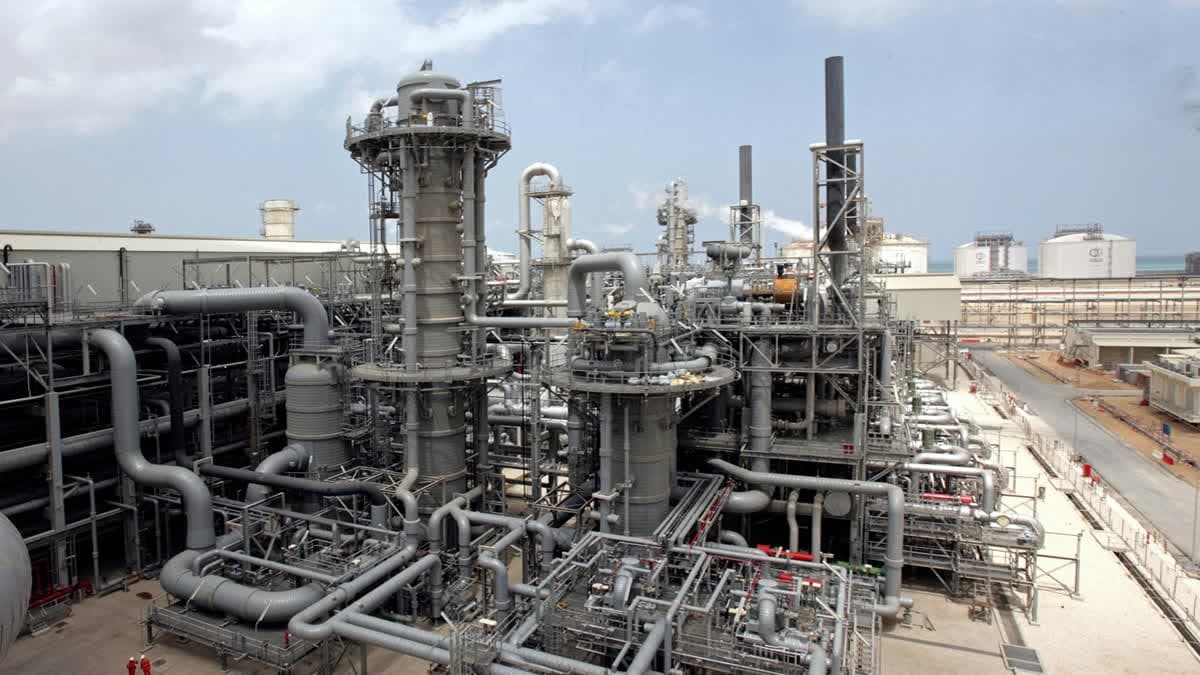
Unidentified Attackers Strike Ras Laffan, Threatening India's LNG Supply and Energy Security
Key Takeaways
- West Asia tensions threaten India’s energy security.
- LNG/LPG supply disruptions risk shortages and price pressures.
- India is diversifying LNG, crude, LPG imports to reduce Qatar/Middle East reliance.
Attack Overview
Unidentified attackers have struck Ras Laffan Industrial City in Qatar, causing severe damage to the world's largest LNG export terminal.
“From LNG force majeure to LPG shortages: Why India’s energy security is in danger amid Middle East oil and gas disruptions”
The attacks involved Iranian drone strikes that led QatarEnergy to declare force majeure, effectively suspending contractual obligations due to circumstances beyond their control.

The incident is part of a broader regional crisis that has also seen Saudi Aramco halt operations at the Juaymah NGL facility.
Disruptions in the Strait of Hormuz have put approximately 20% of global energy supply at risk.
These coordinated attacks represent a major escalation in West Asian tensions with immediate consequences for global energy infrastructure and stability.
India's Dependence
India faces a critical energy security crisis due to its heavy dependence on Qatari LNG imports, which constitute nearly half of the country's total natural gas supply.
In 2024 alone, India imported approximately 27.8 million metric tonnes of LNG, with 47% (11.3 MMT) coming from Qatar, making it India's single largest gas supplier.
The damage to the Ras Laffan facilities has reduced Qatar's LNG export capacity by around 17%, with repairs potentially taking 3 to 5 years to complete.
This prolonged supply constraint threatens India's energy security, as the country lacks sufficient alternative supply infrastructure and strategic reserves for natural gas compared to crude oil.
Market Impacts
The attacks on Qatar's LNG infrastructure have triggered significant market disruptions with global implications for energy prices and supply stability.
“From LNG force majeure to LPG shortages: Why India’s energy security is in danger amid Middle East oil and gas disruptions”
Since LNG is traded globally, even countries not directly importing from Qatar are experiencing the impact through rising prices.
For India, this creates a dual challenge of reduced availability of LNG cargoes and higher prices for spot purchases.
The situation has been exacerbated by spot LNG prices doubling from around $12 to $24-25/mmbtu, putting severe pressure on India's price-sensitive market.
Industry experts warn that this disruption could push global LNG prices higher over the long term, with significant ramifications for global LNG markets.
Government Response
In response to the escalating energy crisis, the Indian government has taken immediate emergency measures to manage gas supply and ensure energy security.
On March 9, 2026, the Government invoked the Essential Commodities Act and issued the Natural Gas (Supply Regulation) Order, 2026, granting direct control over all gas supply decisions.
The government has assumed authority to determine who receives gas and how much they receive, effectively rationing supplies during this crisis.
This intervention came as LNG allocations to Petronet LNG from GAIL dropped to zero from March 4, with 47.4 mmscmd of LNG supply now under force majeure, demonstrating the severity of the supply constraints facing the country.
Long-term Challenges
Looking ahead, India faces significant long-term challenges to its energy security as a result of these attacks.
“From LNG force majeure to LPG shortages: Why India’s energy security is in danger amid Middle East oil and gas disruptions”
The country has extremely limited strategic reserves for LPG, with storage standing at only 1 million tonnes and barely 10 days of LPG cover compared to crude oil which has a strategic petroleum reserve.
This vulnerability highlights India's need for accelerated diversification of its energy sources and infrastructure.
Government officials have acknowledged the ongoing risks and indicated that mitigation efforts are underway, including diversification of LNG, crude, and LPG imports to reduce reliance on Qatar and the broader Middle East.
However, the prolonged nature of the repairs needed at Ras Laffan (potentially 3-5 years) means India must develop comprehensive long-term strategies to ensure energy security in an increasingly volatile regional environment.
More on India

Pakistan Attacks Kabul Omid Hospital, Killing Over 400, Taliban Says
12 sources compared

Pakistan Airstrike Kills Hundreds at Kabul Drug Rehabilitation Center
41 sources compared
Afghanistan Says Pakistan Strikes Kabul Hospital, Killing 400
77 sources compared
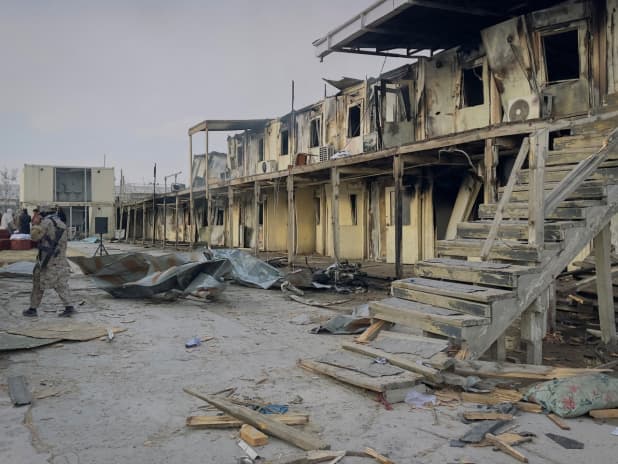
Afghanistan Says Pakistan Killed 400 at Kabul Hospital
244 sources compared