
United Arab Emirates Quits OPEC and OPEC+ Effective May 1
Key Takeaways
- The UAE exits OPEC and OPEC+ effective May 1, ending nearly six decades.
- Exit risks weakening OPEC unity and reshaping global oil market dynamics.
- Cited national interests and capacity expansion as reasons for the exit.
UAE’s OPEC Exit
The United Arab Emirates said it will leave OPEC and the wider OPEC+ group effective May 1, ending nearly 60 years of membership, according to the BBC and other outlets.
“The United Arab Emirates has announced its withdrawal from OPEC and the wider OPEC+ framework, removing a core pillar of one of the most influential groups in the energy world”
The BBC reported that the UAE’s decision would help it meet growing global energy demand in the long term after “recent investments to boost its production capacity,” and it framed the move as “the beginning of the end of Opec” through an analyst’s description.
DW described the step as “a shock move amid energy turmoil,” saying the UAE’s withdrawal “reflects the emirates’ long-term strategic and economic priorities” and quoting the UAE Ministry of Energy and Infrastructure’s statement about a “comprehensive review of the UAE's production policy and its current and future capacity.”
The Jerusalem Post said the UAE’s exit dealt “a heavy blow” to OPEC and OPEC+ at a time when “the Iran war has caused a historic energy shock.”
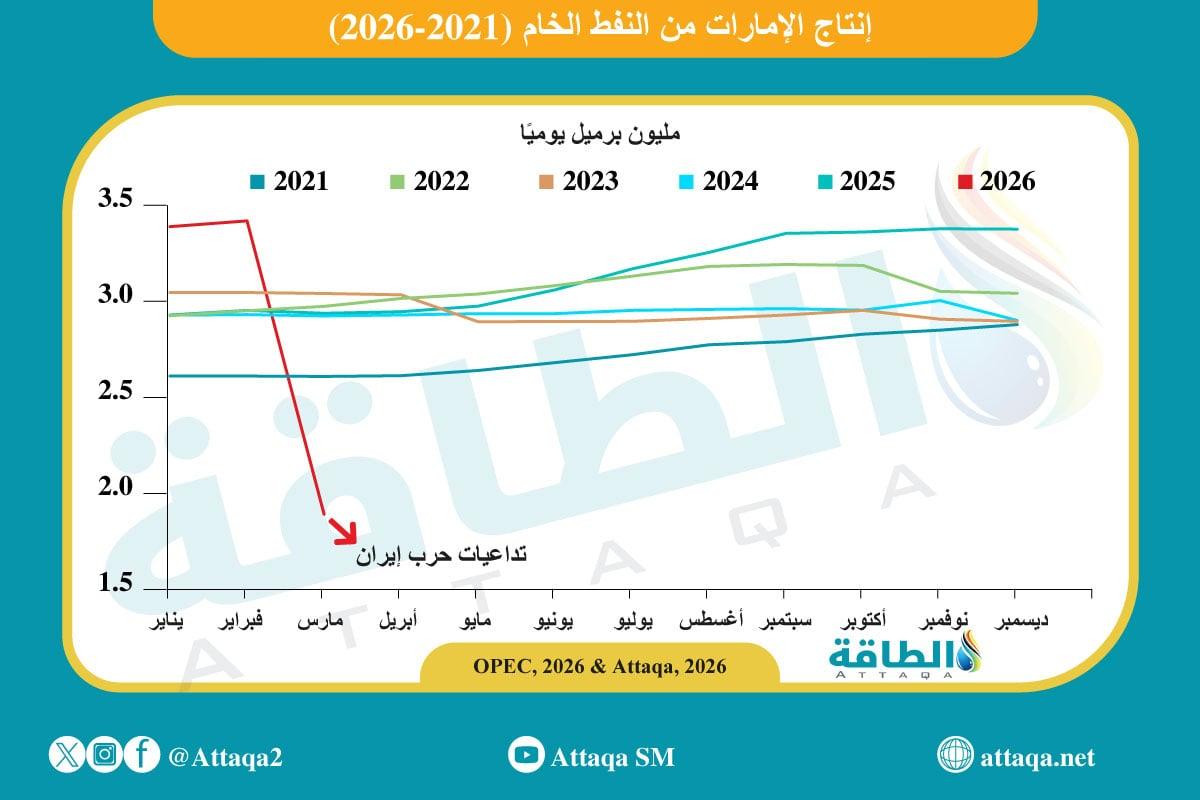
Al Jazeera added that the UAE announced it would quit to focus on “national interests,” and it described the UAE as having “a capacity of approximately 4.8 million barrels per day” with “significant room to increase output.”
Forbes similarly tied the timing to the Iran war, saying the UAE cited “near-term volatility” and a desire to ramp up investment in domestic energy production.
Across the coverage, the effective date May 1 and the UAE’s departure from both OPEC and OPEC+ were consistent, while the framing varied from cartel impact to market shock and geopolitical reshaping.
Why the UAE Left
Multiple outlets tied the UAE’s decision to a review of its production policy and to the constraints of being bound by OPEC obligations.
DW quoted the UAE Ministry of Energy and Infrastructure saying the move “reflects the emirates' long-term strategic and economic priorities,” and it cited the ministry’s explanation that the decision followed a “comprehensive review of the UAE's production policy and its current and future capacity and is based on our national interest and our commitment to contributing effectively to meeting the market's pressing needs.”
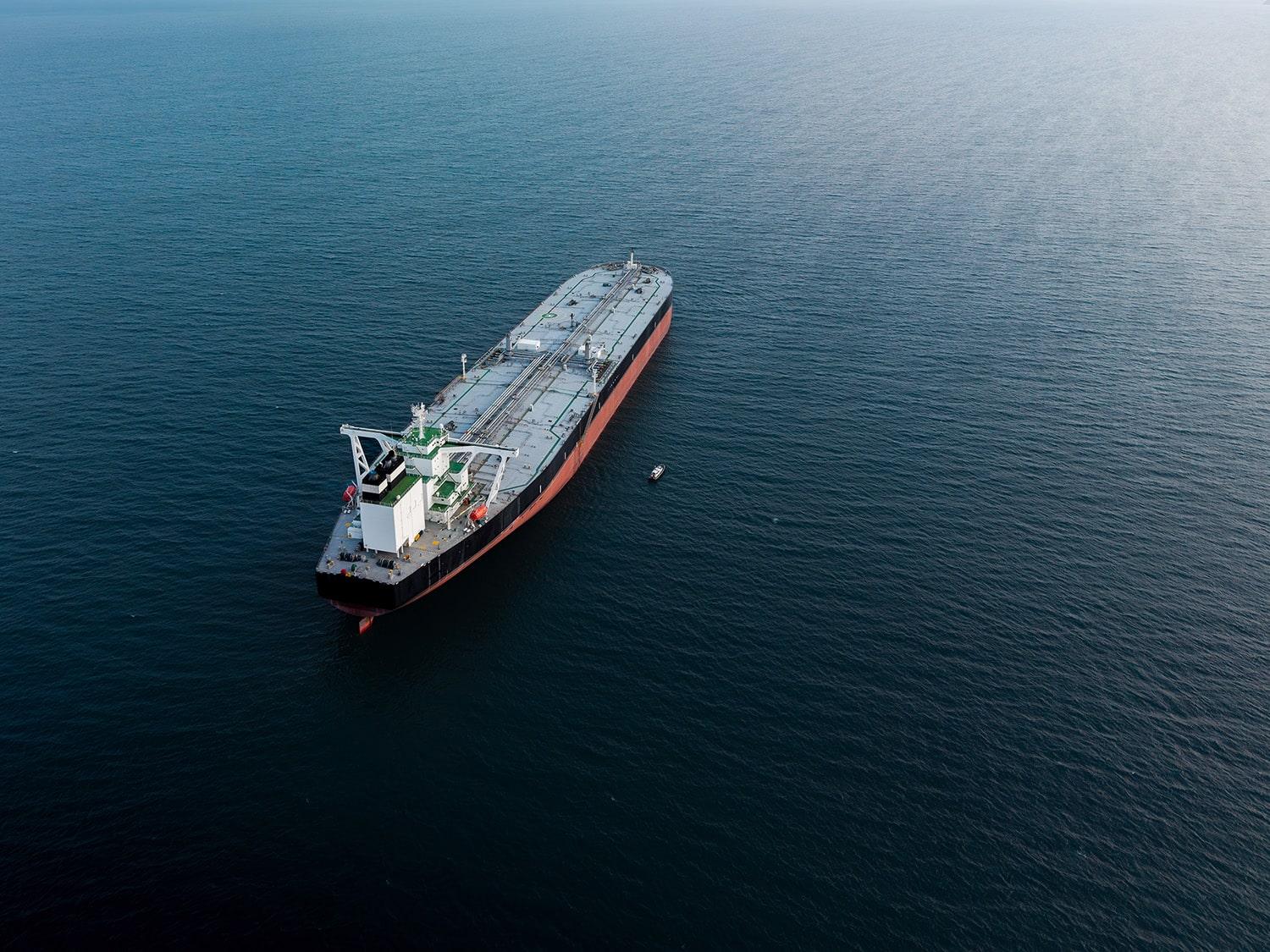
DW also quoted the ministry saying the UAE would continue to act responsibly by “bringing additional production to market in a gradual and measured manner, aligned with demand and market conditions,” and it added that “the time has come to focus our efforts on what our national interest dictates.”
The BBC said the UAE’s departure would give it more flexibility because it would have “no obligation under the group,” and it reported that the UAE was seen as a blow to OPEC’s ability to influence global prices.
The Jerusalem Post added that UAE Energy Minister Suhail Mohamed al-Mazrouei told Reuters the decision was taken after a “careful look at the regional power's energy strategies,” and he said, “This is a policy decision, it has been done after a careful look at current and future policies related to level of production.”
Forbes described the UAE’s rationale as including “near-term volatility” and a desire to ramp up investment in domestic energy production, while also saying the statement referred to the Iran war started by the U.S. and Israel in February.
Al Jazeera summarized the UAE’s stated focus as “national interests,” and it described the UAE as a member that had contributed to the organisation “since 1967.”
OPEC’s Capacity and Market Impact
The sources describe the UAE’s departure as both an immediate market issue and a longer-term shift in OPEC’s ability to manage supply and prices.
The BBC reported that with the UAE leaving, OPEC would lose about 15% of its capacity, citing Saul Kavonic, head of energy research at MST Financial, who said, “With the UAE leaving, Opec loses about 15% of its capacity and one of its most compliant members.”
Neil Atkinson of the International Energy Agency’s former oil industry and markets division told the BBC’s Today programme that it was “a major blow to the future effectiveness” of Opec, and he said Opec’s ability to influence the direction of prices would be “clearly weakened” once normal oil production resumes after the war.
DW quoted Jorge Leon from Rystad saying the UAE withdrawal “marks a significant shift for OPEC,” and it described the UAE as “one of the few members with meaningful spare capacity — the mechanism through which the group exerts market influence.”
Al Jazeera stated that OPEC pursues price stability by setting agreed production quotas and that together the membership “controls about 30 percent of global supply,” while it said OPEC+ since 2016 has cooperated with Russia and others to bring output to “about 41 percent of global supply.”
The BBC also reported that oil prices remained elevated, saying “on Tuesday they rose to $113 a barrel, compared to around $73 before the war began,” and it added that the World Bank warned the war in the Middle East has caused the biggest loss of oil supply on record.
The Crude Oil Prices Today piece said the UAE exit was “effective May 1” and described the Strait of Hormuz as “effectively shut,” with crude trading “well above $110,” while it claimed the EIA estimates Gulf producers have collectively shut in “roughly 9.1 million barrels per day in April.”
Forbes added a separate price marker, saying Brent “soared to a new wartime high of $119.99 per barrel” and that U.S. gasoline prices jumped to “a national average of $4.23 a gallon.”
Geopolitics and the Strait of Hormuz
The decision is repeatedly linked to the Iran war and to shipping constraints through the Strait of Hormuz, which multiple outlets describe as a bottleneck for exports.
The Jerusalem Post said OPEC Gulf producers have already been struggling to ship exports through the Strait of Hormuz, described as “a chokepoint between Iran and Oman through which a fifth of the world’s crude oil and liquefied natural gas normally passes,” because of “Iranian threats and attacks against vessels.”
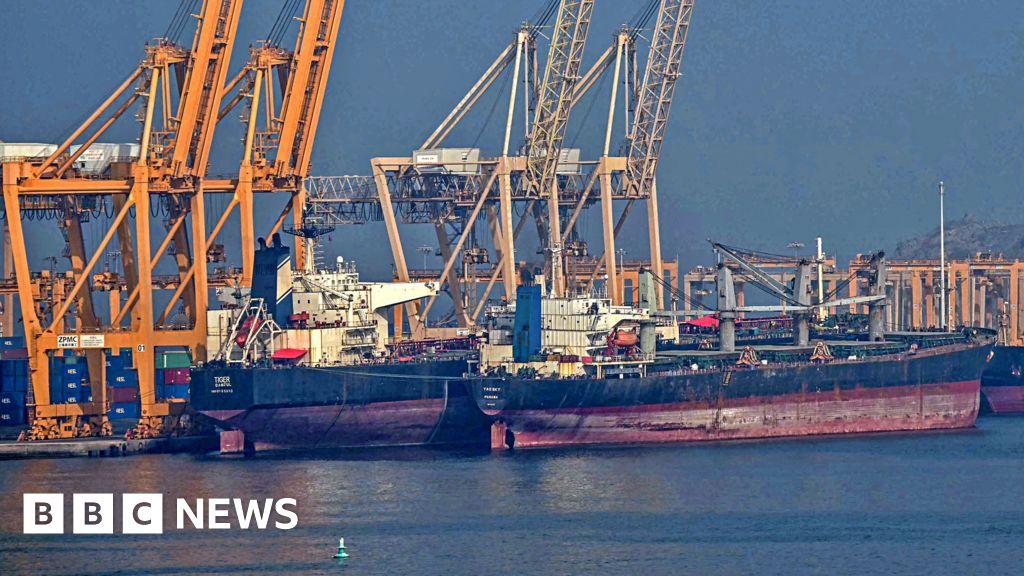
It quoted UAE Energy Minister Suhail Mohamed al-Mazrouei saying the move would not have a huge impact on the market because of the situation in the Strait.
The BBC similarly said the UAE’s decision would not have an immediate impact on global energy supply due to the ongoing closure of the Strait of Hormuz, but it warned it could lead to a longer-term boost in output, and it reported that the World Bank said it could take “six months for shipping through the key Strait of Hormuz to return to pre-war levels.”
Forbes tied the UAE’s statement to the Iran war started by the U.S. and Israel in February and said the war “has choked oil transport through the important Strait of Hormuz.”
DW and other outlets also connected the exit to broader regional dynamics, with DW describing the UAE’s withdrawal as a “major blow” to oil producer alliances during a “global energy shock.”
The Jerusalem Post added a political layer by reporting that the UAE criticized fellow Arab states for not doing enough to protect it from “numerous Iranian attacks during the war,” and it quoted Anwar Gargash at the Gulf Influencers Forum saying, “The Gulf Cooperation Council countries supported each other logistically, but politically and militarily, I think their position has been the weakest historically.”
The Crude Oil Prices Today account expanded on the regional context by describing the Iran war as being in its ninth week and by adding that the Strait of Hormuz “remains effectively shut,” while it said crude had been trading “well above $110.”
Who Benefits and What’s Next
Several outlets cast the UAE’s exit as a political win for the United States and as a test of whether OPEC can hold together under strain.
“United Arab Emirates to quit oil cartel Opec The United Arab Emirates (UAE) is quitting the Opec and Opec+ groups of major oil producing nations next month after nearly 60 years of membership”
The BBC said the move “opens the door for closer ties between the UAE and US,” and it described the departure as “a win for US President Donald Trump,” who had attacked Opec for “ripping off the rest of the world.”
It also reported that Trump’s stance included linking U.S. military support for the Gulf with oil prices, and the Jerusalem Post quoted that Trump “exploit this by imposing high oil prices.”
The Jerusalem Post also reported that the UAE did not raise the issue with any other country when asked whether it consulted Saudi Arabia, with Suhail Mohamed al-Mazrouei telling Reuters, “This is a policy decision, it has been done after a careful look at current and future policies related to level of production,” and he added, “the UAE did not raise the issue with any other country.”
DW warned the withdrawal could weaken unity within OPEC, saying it “threatens to weaken unity within OPEC,” and it quoted Ajay Parmar of ICIS saying the UAE “has been in disagreement with general OPEC policy for quite some time.”
The BBC and Hindustan Times both quoted Saul Kavonic saying “Saudi Arabia will struggle to keep the rest of Opec together,” and the BBC added that the UAE’s departure could lead to other members following suit.
Al Jazeera placed the UAE exit in a longer pattern by noting other countries that withdrew in recent years, including Indonesia, Qatar, Ecuador, Angola and Gabon, and it described OPEC as a permanent intergovernmental organisation based in Vienna, Austria.
Looking ahead, the BBC said the UAE’s exit would not have an immediate impact on global supply due to the Strait of Hormuz closure but could lead to a longer-term boost in output, while the Crude Oil Prices Today account said the next OPEC+ meeting is “going to be one to watch.”
More on Business
United Arab Emirates Withdraws From OPEC And OPEC+ Effective May 1, 2026
37 sources compared
United Arab Emirates Quits OPEC and OPEC+ Effective May 1 Amid Strait of Hormuz Crisis
11 sources compared

Anant Ambani Offers to Relocate 80 Pablo Escobar ‘Cocaine Hippos’ to India
15 sources compared
United Arab Emirates Quits OPEC and OPEC+ Effective May 1, 2026
18 sources compared