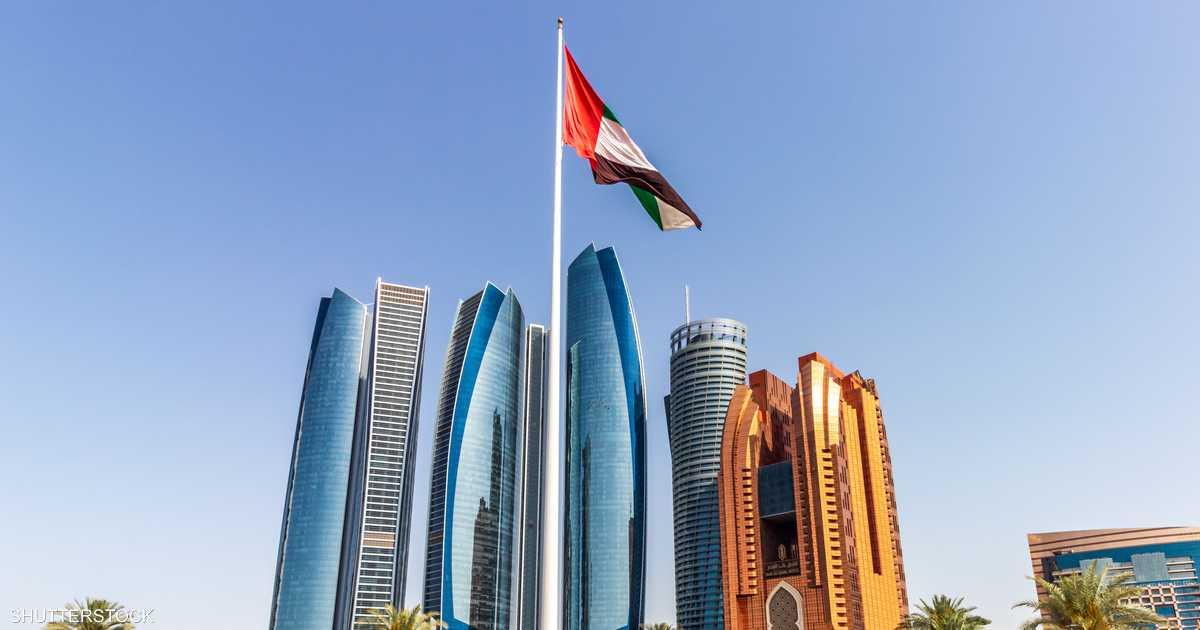
Business · 02 May, 2026 · 7 min read
United Arab Emirates Withdraws From OPEC And OPEC+ Effective May 1
UAE exits OPEC and OPEC+ effective May 1, 2026. Weakened OPEC unity and sparked Saudi-UAE rift with implications for oil markets.
Geopolitical drivers: Iran blockade/chokepoint effects vs. US-linked defense/realignment and normalization diplomacy.
11 of 12 outlets skipped it: UAE had “consulted no other country” and the UAE Energy Minister called it a political decision after rigorous analysis..
41outlets compared
Same story, two versions
tap a side to read it in full
Le Figaro
“« Le ministère de l'Énergie dit que cette décision donnera au pays plus de flexibilité et s'inscrit dans sa vision économique et stratégique à long terme. »”Read the original ↗
Malaysia Sun
“« He said that the move places Abu Dhabi on a trajectory closely aligned with Washington, particularly on energy policy and regional diplomatic priorities. »”Read the original ↗
One framing treats the move as primarily quota/production-flexibility and economics; the other treats it as signaling a deeper political alignment with the US and changes in Gulf power relations.
UAE quits OPEC, OPEC+
The United Arab Emirates announced its withdrawal from OPEC and OPEC+ on Tuesday, a decision described as effective May 1 and framed by Abu Dhabi as an action taken in “the name of their 'national interest.'”
“Les Émirats arabes unis ont annoncé mardi leur retrait de l'OPEP et de l'OPEP+”
In a statement cited by Boursier, the UAE Ministry of Energy said the move “fait suite à un examen approfondi de la politique de production des Émirats arabes unis et de leurs capacités actuelles et futures,” adding that it was “fondée sur notre intérêt national et notre engagement à contribuer efficacement à répondre aux besoins urgents du marché.”

Zonebourse Suisse reported that the UAE Energy Minister Suhail Mohamed al-Mazrouei told Reuters in a telephone interview that the decision followed a “thorough review of the country's energy strategies,” and that the UAE “had consulted no other country on this matter.”
The same Reuters-linked account said Mazrouei “did not expect an immediate major market impact due to persistent bottlenecks in the Strait of Hormuz.”
The Guardian described the exit as a “shock exit” that could weaken the alliance under Saudi Arabia’s leadership, while Radio France said the UAE left OPEC “in the name of their national interest.”
Multiple outlets tied the timing to the ongoing war in the Middle East and the “closing of the Strait of Hormuz,” with Le magazine GEO saying the UAE exit came “amid an oil crisis, a setback for Saudi Arabia.”
Energy shock and Hormuz
The UAE’s exit was set against an energy shock driven by the war in the Middle East and disruptions around the Strait of Hormuz, which multiple outlets described as central to global flows.
The Guardian said global oil prices reached “the highest level in four years on Thursday, rising above $126 a barrel,” and it warned that “a fresh war may be brewing in the international oil markets.”
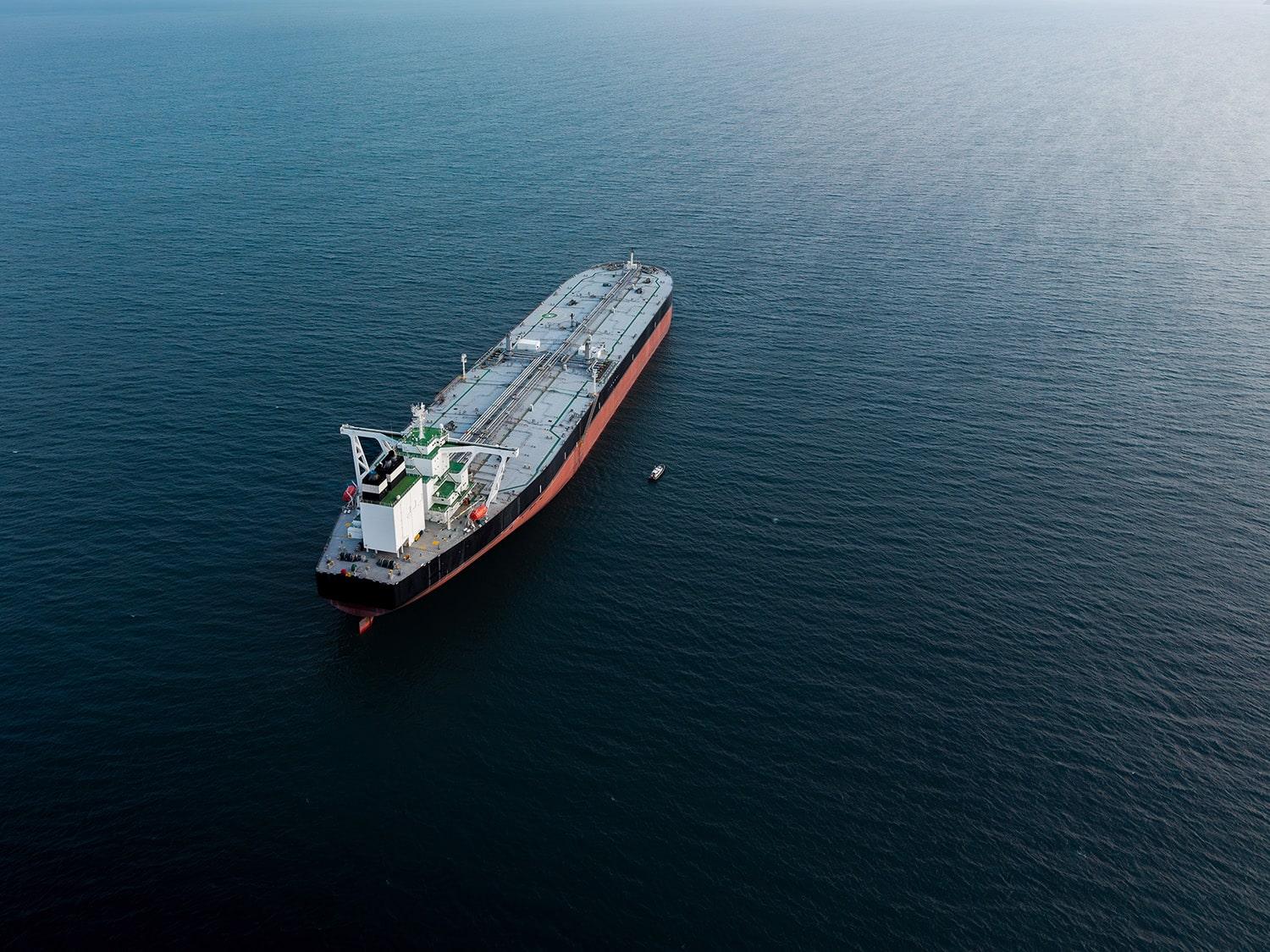
It also said that for now the UAE’s intention to ignore OPEC production quotas and “pump as much crude as it wants is notional, owing to Iran’s blockade on the strait of Hormuz.”
Zonebourse Suisse similarly emphasized that Gulf producers were finding it difficult to move exports through the strait “due to threats and Iranian attacks on ships,” and it cited the International Energy Agency saying OPEC+’s share of world production fell to “44% in March, from about 48% in February.”
Le magazine GEO described the Iran conflict as producing “an energy shock of historic proportions,” saying “OPEC’s total output collapsed by 27 percent to 20.79 million barrels per day in March.”
It added that “the resulting supply contraction, 7.88 million barrels per day in a single month, surpassed even the 1973 oil embargo and the 1991 Gulf War.”
Foreign Policy tied the UAE’s decision to the “U.S.-Israel war on Iran,” describing the UAE as a “front-line state” and stating that “Iran justified targeting Emirati territory” by citing Abu Dhabi’s alignment with Washington.
In the same thread, ynetnews said Anwar Gargash addressed “the blocking of the Strait of Hormuz” and warned against “unilateral Iranian arrangements.”
Who said what on motives
The UAE’s rationale for leaving OPEC was presented differently across outlets, but several named officials and analysts connected the decision to national interest, production flexibility, and the war environment.
“fondée sur notre intérêt national et notre engagement à contribuer efficacement à répondre aux besoins urgents du marché”
Boursier quoted the UAE Ministry of Energy saying the decision was based on “notre intérêt national” and on an obligation “à contribuer efficacement à répondre aux besoins urgents du marché,” while Zonebourse Suisse reported Mazrouei telling Reuters that the UAE “had consulted no other country on this matter” and calling it “a political decision, taken after a rigorous analysis of the current and future directions related to production levels.”
Radio France’s Matthieu Auzanneau described the move as part of a rivalry for control of OPEC and the oil market between the UAE and Saudi Arabia, saying there is “une très forte rivalité” between Mohammed bin Zayed Al Nahyan and Mohammed bin Salman.
In the same Radio France piece, Auzanneau said the Hormuz closure was “totalement unprecedented,” adding that “la fermeture du détroit d’Hormuz… est quelque chose qui n’a jamais eu lieu.”
Foreign Policy framed the exit as the convergence of “three forces: the Iran war, a deepening rivalry with Saudi Arabia, and a strategic realignment with Washington,” and it cited a U.S. designation formalized in 2024, saying the United States named the UAE a “major defense partner” in 2024.
ynetnews added a security and navigation angle, quoting Gargash on X that “the collective international will and international law are the main guarantors of freedom of navigation in this vital waterway.”
It also reported that French Foreign Minister Jean-Noël Barrot said the Franco-British initiative was at an “advanced” stage and that dozens of countries had already said they would take part.
Meanwhile, Malaysia Sun quoted economist John Sfakianakis saying the UAE exit was “fully aligned” with the United States’ energy and geopolitical strategy and that it signals “a broader realignment in Gulf politics.”M
Market risk and possible price war
Several outlets warned that the UAE exit could trigger a broader market contest, with the Guardian describing a scenario that could resemble a price war once Hormuz flows resume.
The Guardian quoted commodities professor Michael Tamvakis saying, “Saudi Arabia will fight back with a vengeance,” and it added that “This decision flies in the face of the kingdom’s authority, and the Saudis will want to teach them a lesson.”
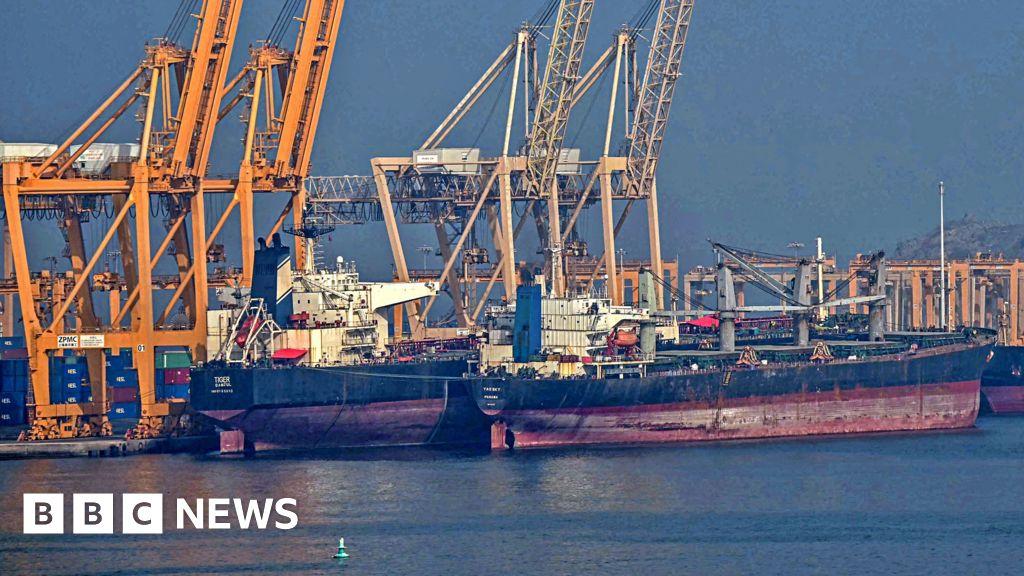
It also quoted Tamvakis on the mechanics of competition, saying that “In a world where oil starts flowing again through Hormuz and oil prices start deflating, there will be a race to maximise oil export volumes to keep revenues.”
The Guardian said Saudi Arabia is expected to “aggressively market” its oil to Asian buyers by offering discounts, while it quoted Tamvakis saying Saudi Arabia may “fight back and try to capture market share.”
The Guardian further stated that the UAE held production below “3m barrels a day in 2024” under OPEC, but could raise output to “between 4.5m to 6m barrels a day once flows resume through the strait of Hormuz.”
The Guardian also quoted Dieter Helm, saying, “Oil prices are likely to fall further and faster as the war ends,” and it warned that “Higher prices encourage more output and the world is awash with both oil and gas reserves.”
Foreign Policy and Zonebourse Suisse both stressed that the UAE’s ability to act on flexibility is constrained by Hormuz bottlenecks, with Zonebourse Suisse saying Mazrouei “did not expect an immediate major market impact due to persistent bottlenecks in the Strait of Hormuz.”
Le magazine GEO added that the UAE’s spare capacity and investments in expanding it give Abu Dhabi “an asset of extraordinary geopolitical value,” while still noting that staying inside OPEC would mean subordinating that asset to quotas and consensus-driven governance.
Consequences for Gulf politics
Beyond oil markets, the exit was repeatedly linked to shifting Gulf politics, including rivalry between Abu Dhabi and Riyadh and changes in alignment with Washington and Israel.
“widens the gap between Abu Dhabi and its Saudi neighbor”
Zonebourse Suisse said the UAE withdrawal “widens the gap between Abu Dhabi and its Saudi neighbor, the de facto leader of the Organization of the Petroleum Exporting Countries,” and it described “a RIFT HAS OPENED BETWEEN ABU DHABI AND RIYADH.”
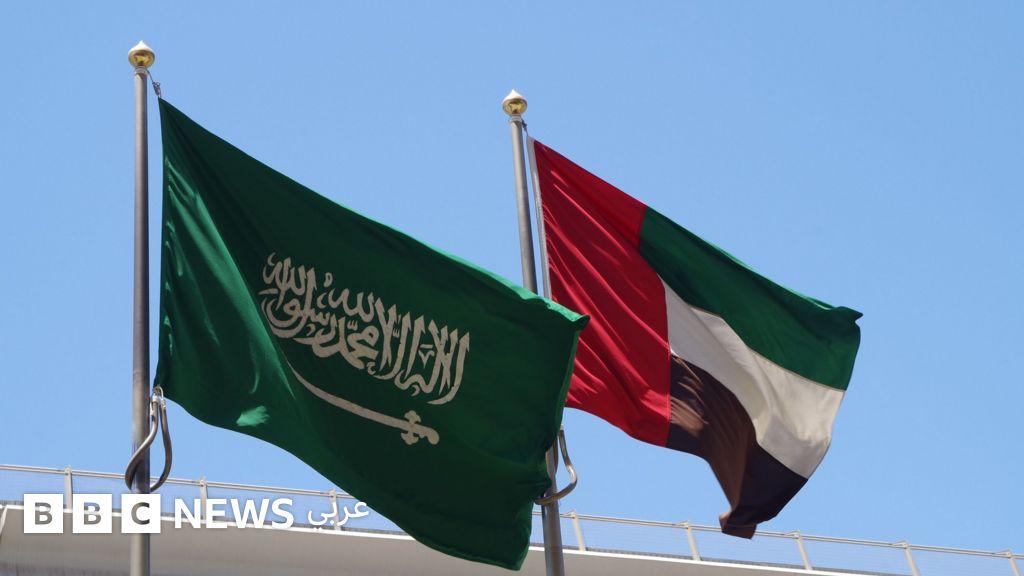
It said the UAE had strengthened ties with the United States and Israel after being targeted by attacks during the war in Iran, and it noted that the UAE normalized relations with Israel under the Abraham Accords in 2020.
Malaysia Sun quoted John Sfakianakis saying the UAE exit was “fully aligned” with the United States and on a course “to be fully aligned with what the US would like many Gulf states, including Saudi Arabia, to be in a peaceful agreement with Israel.”M
The same Malaysia Sun report quoted Sfakianakis saying the UAE “has signed the Abraham Accords,” while “Saudi Arabia, on the other hand, has not signed the Abraham Accords,” and it said this “deepens the rift between Saudi Arabia and the UAE.”M
Foreign Policy described the UAE’s exit as driven by “a deepening rivalry with Saudi Arabia” and “a strategic realignment with Washington,” and it said Iranian strikes hit “Fujairah’s industrial zone” and “Jebel Ali’s port.”
ynetnews added a security warning, quoting Gargash that “unilateral Iranian arrangements cannot be relied upon after its treacherous aggression against all its neighbors,” and it reported that a UAE official said “no additional withdrawals are planned.”
Le Grand Continent framed the decision as “a double-edged decision,” saying it was rooted in the “deep deterioration of the UAE's own situation, due to the war against Iran,” while also warning that investors could “permanently turning away from the United Arab Emirates.”