
United States And Iran Near One-Page Memorandum To End War, Nuclear Talks Framework
Key Takeaways
- US and Iran near one-page memorandum to end war and initiate nuclear talks
- MoU includes a 14-point framework with enrichment halt and sanctions lifting components
- Pakistan mediates talks; China backs Iran framework, per reports
One-Page MoU Nears
The United States and Iran are nearing a one-page memorandum of understanding to end the war and set a framework for more detailed nuclear negotiations, according to Axios. The White House expects Iranian responses on key points within 48 hours, and the MoU is described as a 14-point document that would declare an end to the war and initiate a 30-day period of detailed negotiations. Axios says the talks could take place in Islamabad or Geneva, with both sides lifting restrictions around transit through the Strait of Hormuz while the U.S. naval blockade is lifted gradually. The enrichment moratorium is “actively negotiated,” with three sources saying it would be at least 12 years and one putting 15 as a likely landing spot, while Iran proposed a 5-year moratorium and the U.S. demanded 20. Axios also reports that if negotiations collapse, U.S. forces would be able to restore the blockade or resume military action.
Hormuz First, Nuclear Later
Al Jazeera reports that the U.S. began escorting commercial vessels through the Strait of Hormuz on Monday morning, but by Tuesday afternoon the operation had been paused after President Donald Trump announced the reversal on Truth Social. Al Jazeera says Operation Epic Fury was declared “concluded” and that Washington now sought a “memorandum of understanding for future negotiations,” aligning with Iran’s demand for phased talks that address the Strait first and nuclear issues later. Seyed Mojtaba Jalalzadeh, an international relations analyst based in Tehran, told Al Jazeera that moving toward a memorandum of understanding is “a good, viable and important first step to solve the immediate problem.” Al Jazeera also reports that Pakistani officials close to mediation said Islamabad’s role intensified, with senior officials in direct communication with both sides, and that Islamabad’s intermediary role was reflected in Pakistani Prime Minister Shehbaz Sharif’s praise for the pause. The same report frames the shift as a question of whether Washington has implicitly accepted Iran’s demand to settle Hormuz first, with nuclear discussions following.
Rubio, Araghchi, and Stakes
Secretary of State Marco Rubio told reporters Tuesday that “we don't have to have the actual agreement written in one day,” while adding that any diplomatic solution must be “very clear on the topics they are willing to negotiate on and the extent of the concessions they are willing to make at the front end.” Iranian Foreign Minister Abbas Araghchi traveled to Beijing on Wednesday to brief Chinese Foreign Minister Wang Yi, and Iran’s Foreign Ministry quoted Araghchi saying, “Iran, just as it acted decisively in defending itself and remains fully prepared to confront any aggression, is also serious and steadfast in the field of diplomacy.” The same Türkiye Today report says Wang praised Iran’s “responsible approach” and reaffirmed China’s opposition to the use of force while supporting diplomacy as the only path to resolving regional disputes. The stakes in the sources are tied to whether the 30-day negotiations produce a final agreement, because Axios says many terms are contingent and that renewed war or extended limbo is possible if talks fail. In parallel, the sources describe a continuing military pressure track alongside diplomacy, with Al Arabiya TV’s Marwan Qublan arguing the negotiations and military pressure operate on “two parallel tracks: a continuing negotiating track between the United States and Iran, and a military track used as a means of pressure to push the negotiations forward.”
“Islamabad, Pakistan – On Monday morning, the United States Navy began escorting commercial vessels through the Strait of Hormuz”
More on Iran
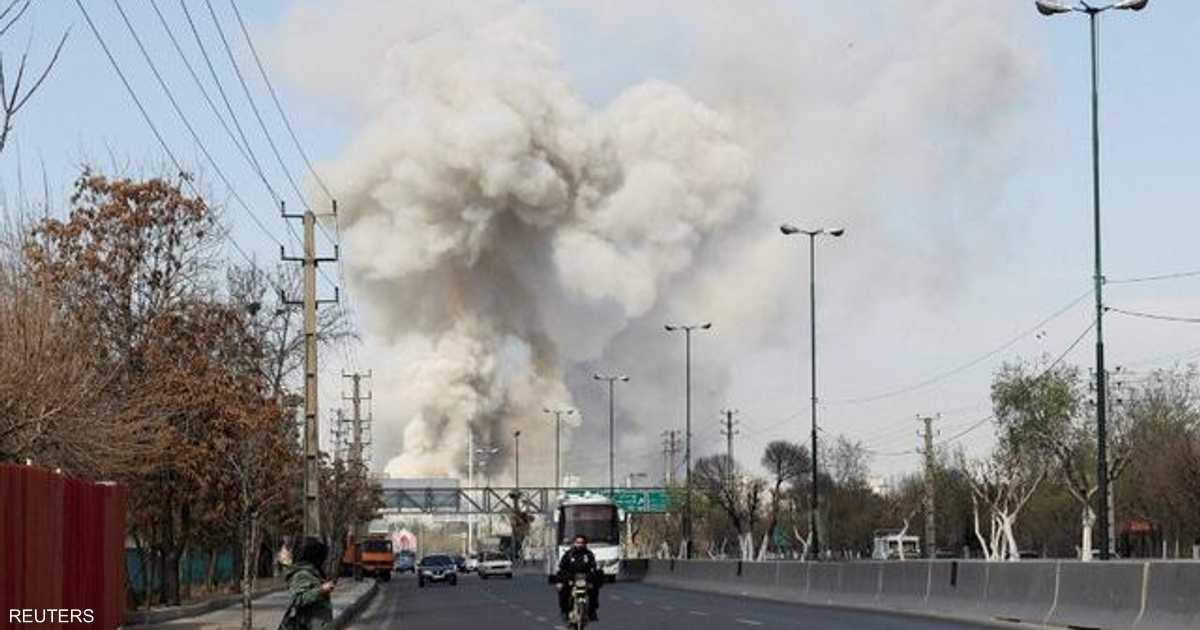
Donald Trump Pauses Project Freedom, Keeps Blockade of Iranian Ports in Place
15 sources compared

U.S. Blockade Ships From Iranian Ports Begins Monday as Trump Orders Full Strait Of Hormuz Blockade
12 sources compared
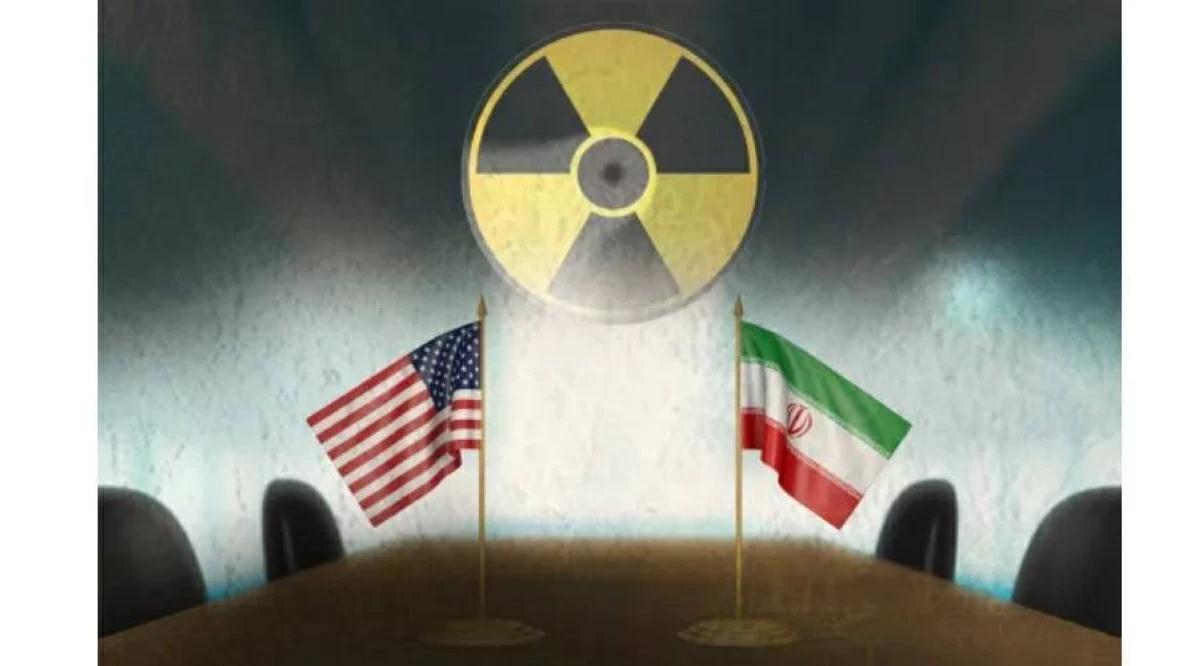
Donald Trump Threatens Bombing If Iran Rejects One-Page War Memo To Reopen Strait Of Hormuz
18 sources compared
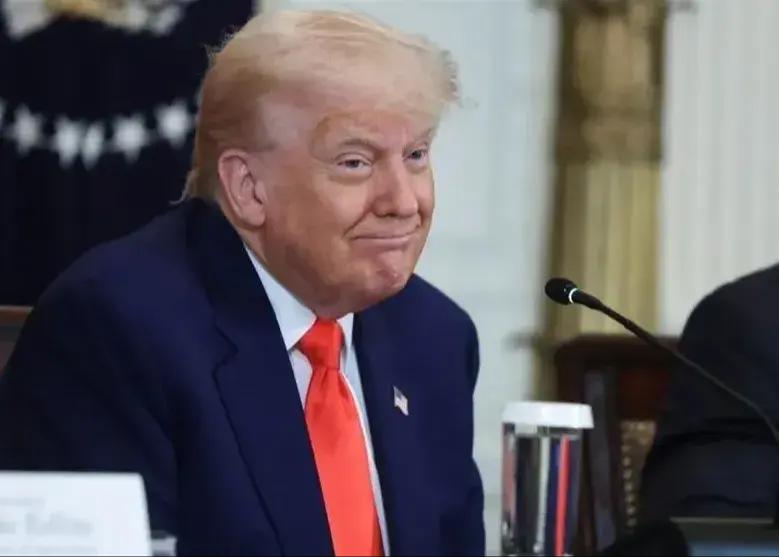
Trump Pauses Project Freedom To Guide Stranded Vessels Out Of Strait Of Hormuz
45 sources compared