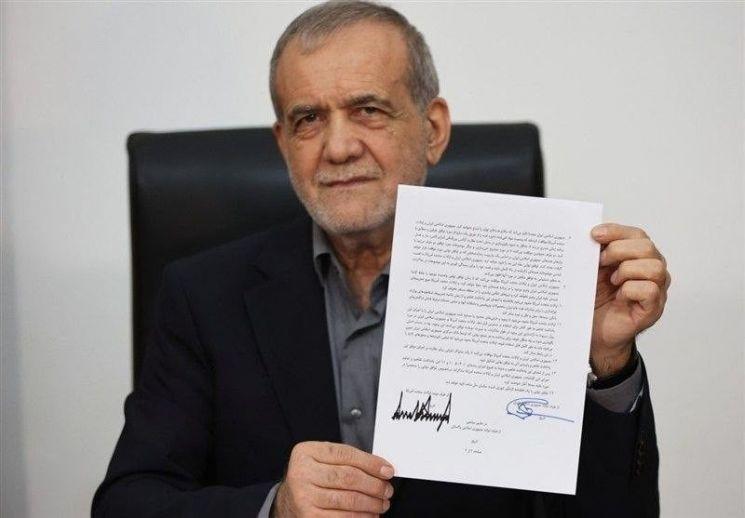
United States And Iran Sign 14-Point Memorandum Of Understanding To End War, Begin 60-Day Talks
Key Takeaways
- US and Iran sign a 14-point memorandum to end the war.
- A 60-day window begins for negotiations toward a final peace agreement.
- Provisions include reopening the Strait of Hormuz and ending hostilities.
MOU Ends War, Starts Talks
The United States and Iran signed a 14-point memorandum of understanding to end the war and begin a 60-day period of negotiations toward a final deal, with the text calling for “the immediate and permanent termination of military operations on all fronts, including in Lebanon.”
The agreement also centers on reopening the Strait of Hormuz, and the BBC reported that the United States lifted its naval blockade of Iran as the deal began to take effect after being signed on Wednesday.
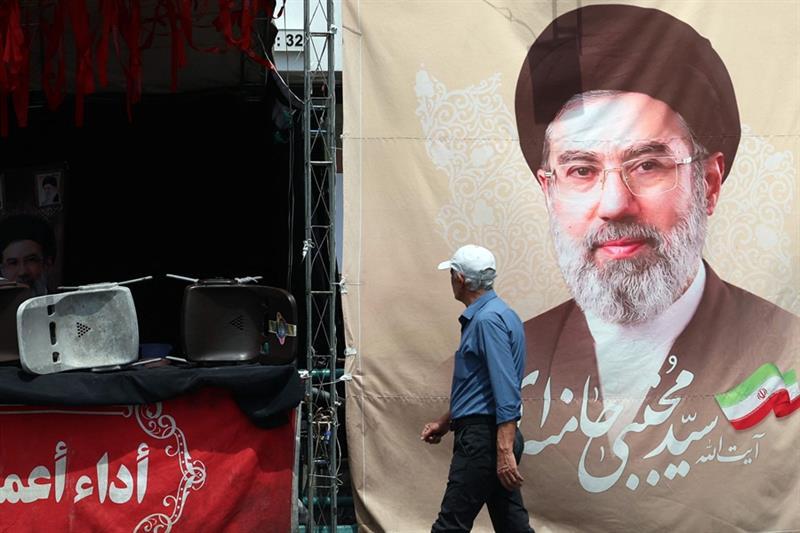
Iran’s supreme leader Mojtaba Khamenei authorized the signing despite holding a “different view,” and the CNN report said Khamenei confirmed he authorized the agreement with the US, while Iran’s state broadcaster IRIB carried a message saying Trump acted “out of desperation.”
The Washington Post said the memorandum puts “the onus on the United States” to deliver early concessions including lifting sanctions, freeing billions in frozen assets, and dismantling a U.S. naval blockade of Iran’s ports, while also noting that one provision appeared to have been violated before Trump’s signing at Versailles.
The NPR framework text further specifies that the United States will begin removal of its naval blockade immediately upon signing and fully end it within 30 days, while Iran will make arrangements for the safe passage of commercial vessels “from the Persian Gulf to the Sea of Oman, and vice versa” for 60 days only.
Reactions Split Across Capitals
In Washington, pro-Israel hawks criticized the Iran memorandum of understanding while avoiding direct clashes with Trump, and Al Jazeera quoted Senator Roger Marshall saying, “I think that they have to be able to defend themselves,” to CNN.
The Washington Post described Western security officials and analysts as calling the memorandum “a flawed document” that presents “no clear vision” for resolving differences over Iran’s nuclear program and other issues, and it quoted Matthew Levitt saying, “The MOU is structured to bring Iran to the table.”

In Israel, the Guardian reported that Mark Regev said the straits are open and Iran can export oil, while warning, “you’ve taken away the economic pressure,” and adding “maybe Trump will get a great deal … but at the moment I don’t see that.”
The Guardian also quoted Yair Lapid saying, “Netanyahu promised us a historic victory – and we got a crisis with the Americans, Hormuz open to the Iranians, money for the Revolutionary Guards, ballistic missiles aimed at Israel,” as Israel’s opposition sought to capitalize on anger over the agreement.
In the United States, CNBC reported Trump lashed out at critics, saying those who think he “hasn't been tough enough on Tehran” were either “jealous, bad people or stupid,” after the deal included a $300 billion plan for Iran’s reconstruction and removal of “all types” of U.S. sanctions.
What’s at Stake Next
As the 60-day negotiation window begins, the CNN report said Iran’s parliament speaker and key negotiator Mohammad Bagher Ghalibaf warned that any breach or excessive demands would be met with a “crushing response,” adding that “They were once slapped during the war.”
The Fox News report said Ghalibaf warned the United States would receive “even harder slap” if Washington fails to uphold its side of the deal, and it also described Iran’s Supreme National Security Council ordering traffic through the Strait of Hormuz to designated routes amid security concerns.
In Europe, the Fox News report quoted European Commission Vice-President Kaja Kallas saying lifting Iran sanctions is “premature” and would only be considered if a nuclear agreement is reached, while the BBC said the US and Iran begin the 60-day negotiation period to reach what the agreement describes as the “final deal.”
The NPR framework text lays out that the United States will remove its naval blockade within 30 days and that Iran will arrange safe passage for commercial vessels for 60 days only, while also requiring negotiations on the fate of Iran’s stockpiles of highly enriched uranium and discussing “the issue of enrichment.”
The Washington Post said the memorandum sets a target date of 60 days but describes the timeline as “extendable,” raising concern that Iran could drag out discussions through the remainder of Trump’s term, even as the agreement’s enforcement mechanism remains unspecified in the text.
More on Iran

Trump Signs Iran MOU, Lifts Blockade, Reopens Strait of Hormuz for 60-Day Talks
14 sources compared
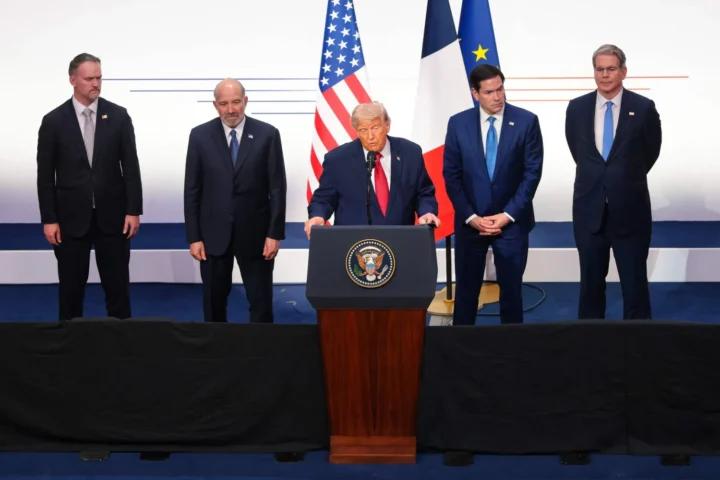
Donald Trump and Masoud Pezeshkian Sign U.S.-Iran MOU to Halt Fighting and Reopen Strait of Hormuz
15 sources compared
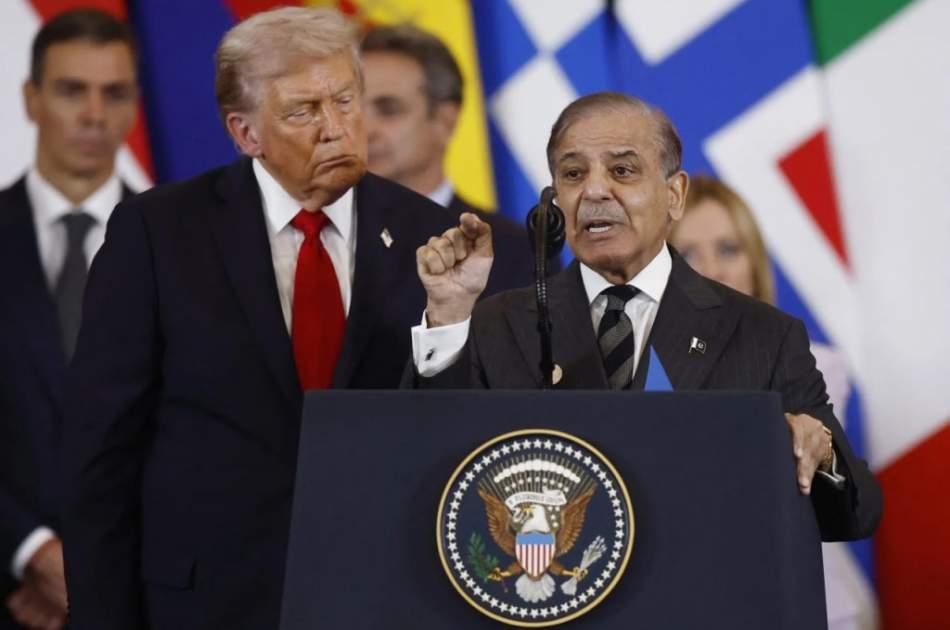
US Lifts Naval Blockade of Iranian Ports as JD Vance Says Oil Flows Through Strait of Hormuz
18 sources compared

Iran’s Supreme National Security Council Exempts Hormuz Transit Fees for 60 Days
28 sources compared