United States and Israel Assassinate Iran's Supreme Leader Ayatollah Ali Khamenei, Ignite Wider Regional War
Key Takeaways
- United States and Israel carried out coordinated strikes targeting Iran.
- The strikes killed Supreme Leader Ayatollah Ali Khamenei and dozens of senior figures.
- Iran's furious response escalated into a widening regional war.
Headline claim assessment
I cannot confirm the headline claim — none of the provided source material states that the United States and Israel assassinated Iran's Supreme Leader Ayatollah Ali Khamenei.
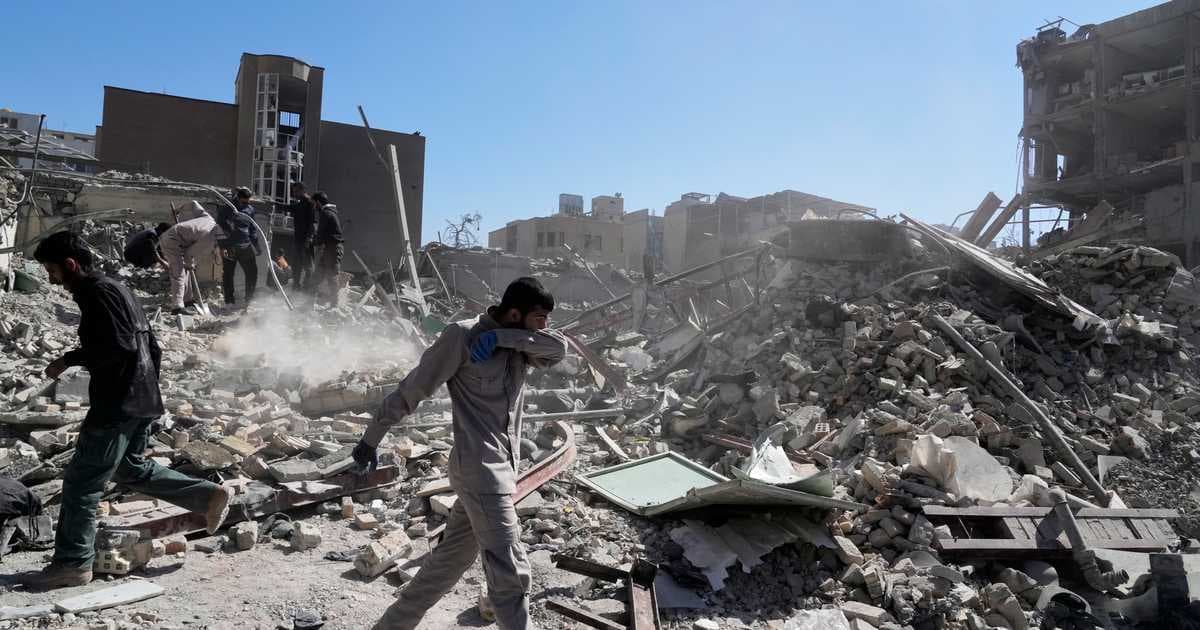
“Where things stand after the US and Israeli strikes on Iran Where things stand after the US and Israeli strikes on Iran The United States and Israel targeted Iran in coordinated attacks over the weekend that killed Supreme Leader Ayatollah Ali Khamenei and dozens of other senior figures and kicked off a furious Iranian response that was expanding into a wider regional war”
The only supplied article (Associated Press) describes a sharp escalation of fighting among the U.S., Israel and Iran and reports U.S. casualties, but it does not assert an assassination of Khamenei.
Given the absence of that claim in the provided sources, any summary that repeats it would violate the requirement to rely solely on the provided articles.
U.S. strikes and mobilization
The supplied reporting characterizes a large U.S. military mobilization in the region and an intensive U.S. campaign of strikes.
The article says the U.S. deployed its largest regional military presence in decades.
It says the U.S. has been tracking senior Iranian leaders.
The U.S. is carrying out sustained, 'pinpoint' strikes.
The article quotes President Trump saying the bombing would continue.
It notes legal and congressional objections to strikes launched without explicit congressional authorization.
Israel-Iran strikes summary
The article describes Israel intensifying strikes it says target Iran’s nuclear and missile programs and Iran-backed groups.
“Where things stand after the US and Israeli strikes on Iran Where things stand after the US and Israeli strikes on Iran The United States and Israel targeted Iran in coordinated attacks over the weekend that killed Supreme Leader Ayatollah Ali Khamenei and dozens of other senior figures and kicked off a furious Iranian response that was expanding into a wider regional war”
Israeli authorities are reported to have sometimes claimed major strikes on Tehran and to say they have degraded hostile groups since the Oct. 7, 2023 war.
The piece also notes that interceptions have limited many Iranian strikes but that risks remain from Iranian proxies, including the Houthis and other groups.
Gulf conflict developments
The article reports the conflict has spread across the Gulf, with hundreds of Iranian missile and drone strikes prompting interceptions in Saudi Arabia, Qatar and elsewhere.
It reports disruptions at major airports including Dubai, and casualties in Gulf states such as the UAE and Kuwait.
The article adds that Qatar reported downing Iranian bombers, oil prices spiked amid concerns about attacks near the Strait of Hormuz, and several OPEC+ members said they would boost output in response.
Potential conflict triggers
The article’s suggested items to watch include the following.
“Where things stand after the US and Israeli strikes on Iran Where things stand after the US and Israeli strikes on Iran The United States and Israel targeted Iran in coordinated attacks over the weekend that killed Supreme Leader Ayatollah Ali Khamenei and dozens of other senior figures and kicked off a furious Iranian response that was expanding into a wider regional war”
Further military strikes and their effects on U.S. forces, regional bases, and civilian infrastructure are highlighted.
The selection of Iran’s next supreme leader and Iranian public reactions are noted as important.
Activity by Iranian proxies, for example the Houthis, and impacts on shipping and oil markets are included.
Any diplomatic moves or IAEA reporting related to Iran’s nuclear program are also listed.
These items are framed as key uncertainties and possible triggers for a widening conflict.
More on Iran-Israel

Escalation in Iran Pushes Oil Near $120, Sparks Gas Price Surge in Los Angeles
10 sources compared
U.S. Intercepts Iran Message Activating Sleeper Cells After U.S.-Israel Strike Kills Khamenei
14 sources compared

Iran Threatens To Confiscate Property Of Iranians Abroad Who Support US And Israel
14 sources compared
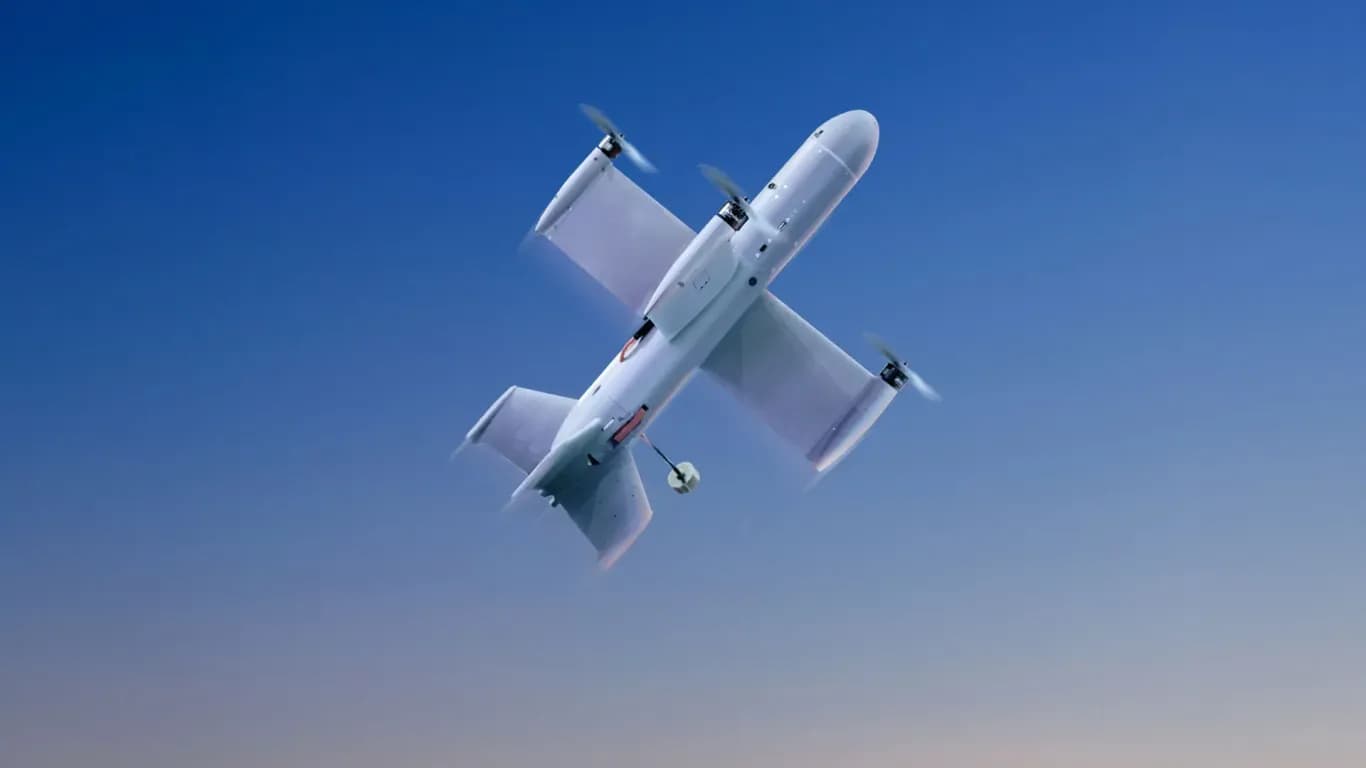
Ukraine Sends Drones, Experts to Shield U.S. Bases in Jordan From Iran
16 sources compared