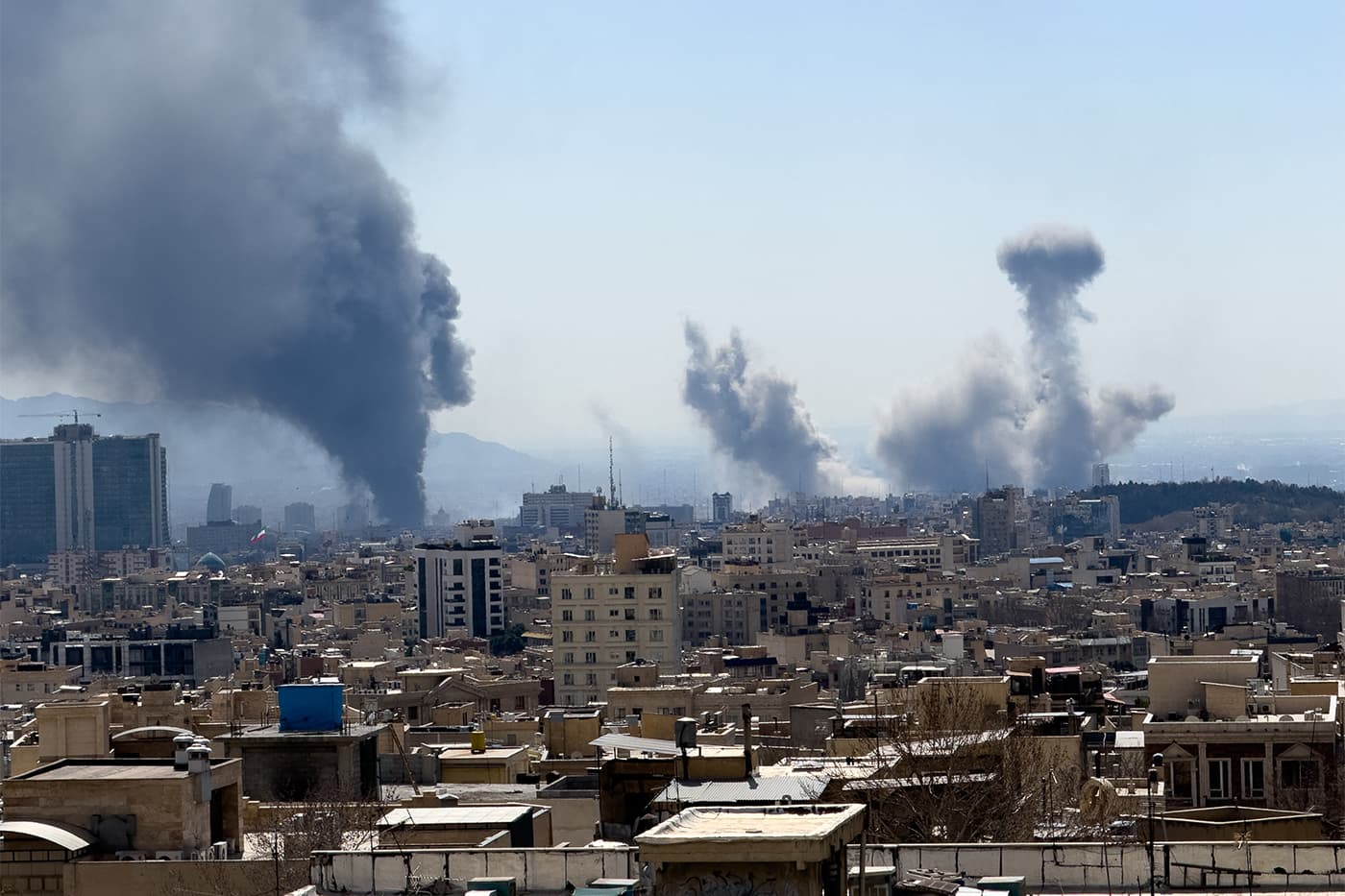
United States and Israel Assassinate Iran’s Supreme Leader Ayatollah Ali Khamenei, Trigger Regional War
Key Takeaways
- The United States and Israel struck Iran, killing Supreme Leader Ayatollah Ali Khamenei and senior officials.
- The United States and Israel say they may conduct a lengthy military campaign in Iran.
- The strikes' escalation raises the specter of a regional war and global uncertainty.
Khamenei killed in strikes
United States and Israeli forces carried out weekend strikes on Iran that killed Supreme Leader Ayatollah Ali Khamenei and several senior military and political figures.
“The United States and Israel have embarked on what they say could be a lengthy military campaign in Iran after unleashing strikes over the weekend that killed the country’s Supreme Leader Ayatollah Ali Khamenei and several senior military and political figures”
Both governments described the operation as one that "could mark the start of a prolonged military campaign," signalling a major escalation in direct action against Iran's leadership.
This account is drawn directly from reporting noting the strikes and official characterisations of their possible long-term intent.
Regional strike risks
Experts cited in the reporting warn the strikes raise the prospect of a wider regional war, terrorist reprisals, and heightened great-power entanglement.
Those analysts emphasise the potential for spillover across the Middle East and for broader international involvement.
They say these concerns have already "unsettled markets sensitive to energy and geopolitical risk."
US political and military tensions
The strikes have also ignited a domestic political battle in the United States: Congress is reported to be debating a war powers resolution that could limit President Trump's authority and, if enacted, "might provoke a constitutional clash."
“The United States and Israel have embarked on what they say could be a lengthy military campaign in Iran after unleashing strikes over the weekend that killed the country’s Supreme Leader Ayatollah Ali Khamenei and several senior military and political figures”
The reporting places this legislative friction alongside revelations that Trump had been "massing carrier groups, destroyers and air defenses in the region" even while diplomatic back-channel talks with Iran—"mediated by Oman"—were occurring.
Tehran's response outlook
Reporting notes that Tehran views the confrontation as existential.
The report quotes that Iran "long has prepared for such a confrontation through sanctions-era military preparations and missile stockpiles."
Analysts quoted say the strikes "increase the likelihood of direct retaliation and could strengthen extremist recruitment and propaganda."
That assessment frames Iran's likely response calculus and the potential for the strikes to bolster militant narratives.
Decapitation strike and fallout
Taken together, the coverage presents a rapidly unfolding crisis.
“The United States and Israel have embarked on what they say could be a lengthy military campaign in Iran after unleashing strikes over the weekend that killed the country’s Supreme Leader Ayatollah Ali Khamenei and several senior military and political figures”
It describes a targeted decapitation strike that officials frame as the possible start of a prolonged campaign.
Regional actors and markets are reacting to heightened risks.
The United States is confronting internal legal and political challenges over the use of force.
Analysts say these factors could entangle other powers and deepen instability across the Middle East.
More on USA

US Air Force KC-135 crashes in western Iraq, six airmen killed
29 sources compared

Judge James Boasberg Blocks DOJ Criminal Probe of Federal Reserve, Deems It Trump Pressure Campaign
15 sources compared

Pentagon Deploys Marines and USS Tripoli to Middle East After Iran Blocks Strait of Hormuz
22 sources compared
FBI Warns of Iranian Drone Plot Based on Unverified Tip; California Says No Credible Threat
10 sources compared