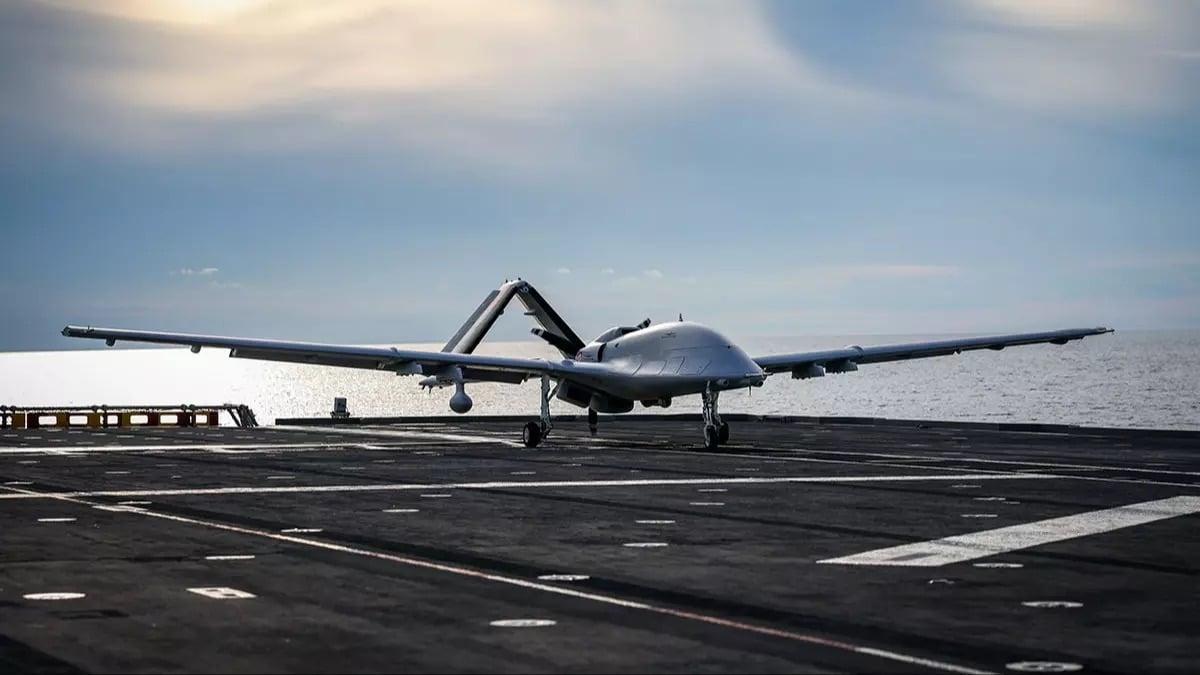
United States and Israel Launch War Against Iran, Turkey Weighs Rivalry With Israel
Key Takeaways
- US-Israel war against Iran escalates regional power struggles among Middle East powers
- Turkey seeks to balance regional rivalries with NATO commitments, avoiding direct involvement
- Saudi Arabia-Turkey competition realigns blocs against Israel-UAE axis
US-Iran War Reorders Alliances
A war launched by the United States and Israel against Iran on February 28, 2026 is described as sitting at the intersection of global rivalries among actors including the United States, China, Russia and regional rivalries among Israel, Iran, Turkey, and Saudi Arabia.
“Au Moyen-Orient, la situation en Iran, avec la répression sanglante des manifestations et les spéculations sur d’éventuelles frappes américaines, fait passer au second plan un basculement régional aux conséquences majeures”
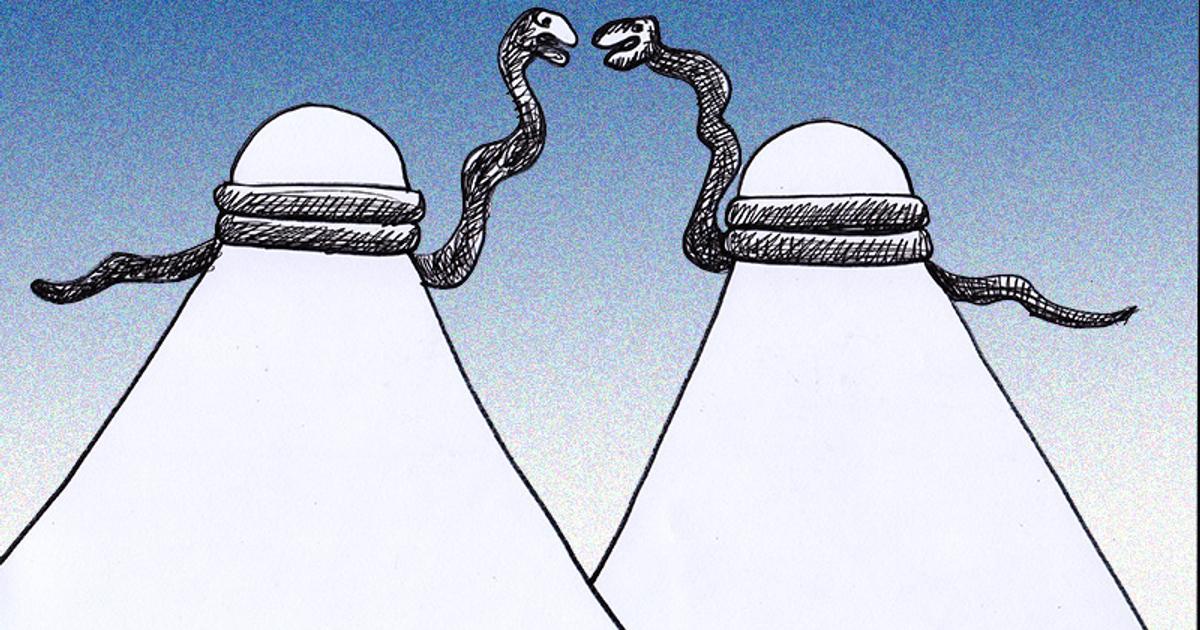
Courrier international frames the wider regional shift as a move from Iran defining strategic orientations toward competition between two emerging blocs, including a coalition “abrahamique” tied to accords concluded under the aegis of the United States in 2020.
The Fondation Méditerranéenne d'Études Stratégiques says the White House triggers a “blockage of the Strait of Hormuz” by intermittently neutralizing Iran’s oil resources and links that to Iranian retaliatory strikes against the energy infrastructure of the Gulf monarchies.
It also says Israel seeks to permanently eliminate the “existential Iranian threat” by destroying Tehran’s nuclear and ballistic programs and by weakening the regime as much as possible.
In that same account, Turkey “could benefit from the weakening of its three regional rivals” provided it does not let itself be dragged into the conflict and instead “quietly strengthen its positions in the Middle East and its periphery.”
Turkey Balances Rivalry and Pragmatism
Le Monde describes Ankara’s dilemma as balancing NATO membership with regional interests that lead it to avoid any direct involvement in the conflict, favoring a strategy aimed at containing security, economic, and political risks from an extension of the war.
In that account, Bayram Balci’s March 17, 2026 op-ed argues that Turkey’s prudent neutrality rests on the idea that “de-escalation and the diplomatic resolution of the conflict serve its interests more than any participation in its expansion”.

The Fondation Méditerranéenne d'Études Stratégiques similarly portrays Turkey as potentially benefiting if it avoids being dragged into the war and instead strengthens its positions in the Middle East and its periphery.
Separately, Courrier international says the future role of the United States depends on how the antagonism between the “abrahamique” bloc and an “islamique” bloc evolves, even as it notes that Iran’s situation is being pushed to the background.
Together, the accounts place Turkey at the center of how the United States’ Iran strategy could reshape regional power while Ankara tries to keep its own involvement limited.
Stakes for Oil, Israel, and Iran
The Fondation Méditerranéenne d'Études Stratégiques says the United States hopes to “durably neutralize a regional threat” and to “avenge the humiliations inflicted by the regime since 1979,” while also aiming to strengthen leverage over oil and natural gas prices.
“Located in the immediate vicinity of the theater of operations and a member of the North Atlantic Treaty Organization (NATO), Ankara faces a complex strategic dilemma”
It adds that even if the United States and Israel declare a ceasefire, Iranian leaders appear determined to continue hostilities “even at low intensity,” seeking to demonstrate that “it will be them who decide when to stop the war.”
The same source says Israel’s campaign now seems to focus strikes primarily on the repressive apparatus after curbing the nuclear program and reducing the ballistic program to a bare minimum.
Courrier international, meanwhile, describes the regional future as being determined by competition between two blocs, with the evolution of that antagonism framed as more decisive for the role of the United States than what happens in Iran.
In that context, the Fondation Méditerranéenne d'Études Stratégiques portrays the Gulf monarchies as the “big losers” of the conflict, with Saudi Arabia expected to fare better than other GCC monarchies once hostilities end.
More on USA

Record Heat, Flood Watch, and Lightning Beset Washington, D.C. Freedom 250 on National Mall
14 sources compared

Police Dispatches Trigger Chaos as Newport Beach Fourth of July Crowd Lights Fireworks, Fights, Arrests
11 sources compared
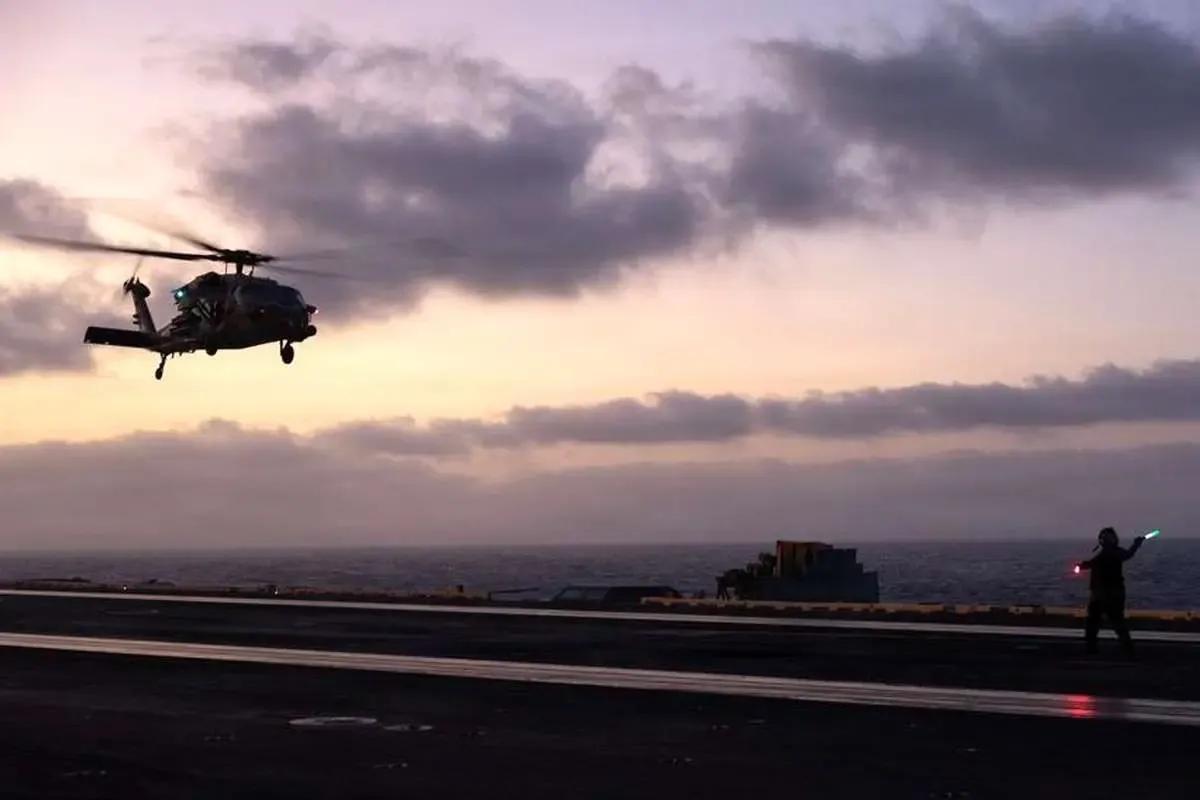
U.S. Navy Suspends Search for Missing Sailor After MH-60S Crash in Arabian Sea
15 sources compared

FIFA Suspends Folarin Balogun Red-Card Ban, Making Him Eligible vs Belgium
18 sources compared