
United States Blows Up Boat, Kills Six Suspected Drug Smugglers in Eastern Pacific
Key Takeaways
- U.S. Defense Department blew up a boat in the eastern Pacific
- Six people were killed in the strike
- Officials described the dead as suspected drug smugglers ('narco-terrorists')
Strike on smuggling vessel
U.S. forces struck and destroyed a small vessel in the eastern Pacific on Sunday, killing six people as part of an ongoing campaign against suspected maritime drug smugglers, the Defense Department said.
The strike, the Defense Department said, raised the death toll in the operation to at least 156.
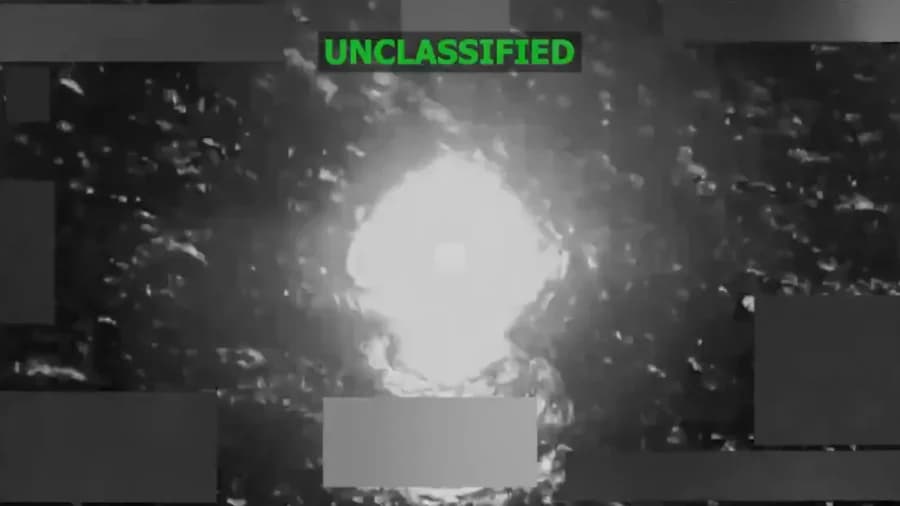
U.S. military channels presented the incident as one of many actions targeting vessels on 'known narco‑trafficking routes,' and U.S. Southern Command released an 11‑second video of the blast.
U.S. military framed the strike as consistent with an intensified series of attacks that began in early September, placing the event within a larger naval effort aimed at illicit maritime trafficking.
Framing U.S. strikes on cartels
U.S. officials and pro-government outlets framed the strike as part of an escalation of military measures against transnational organized crime.
The New York Times described the action as the 45th strike since early September, reflecting an uptick in tempo.
NTD relayed administration rhetoric that President Donald Trump has declared the United States in an 'armed conflict' with Latin American drug cartels and urged harsher military responses.
That framing ties individual kinetic actions to a broader policy posture that seeks to treat cartel networks as armed adversaries rather than solely criminal groups.
Legality and transparency concerns
The operation has prompted legal and rights‑based criticism.
Legal experts quoted in reporting argue the program may amount to unlawful extrajudicial killings because the military may not deliberately target civilians who do not pose an imminent violent threat, and those critics say the Trump administration has not publicly produced evidence that the targeted boats were smuggling drugs.
The New York Times highlighted these expert objections and the absence of publicly released supporting intelligence, raising questions about the legality and transparency of the strikes.
Regional anti-cartel operations
Reporting noted that Ecuador and the United States carried out military operations against organized‑crime groups in Ecuador the same week.
U.S. appeals to Latin American leaders to join military action against cartels suggest a push for cooperative, militarized responses across the hemisphere.
Those developments indicate the strike is connected to a wider policy push that includes bilateral or multilateral operations and diplomatic pressure to treat cartels as security threats warranting direct military measures.
Limits of incident reporting
Reporting on this incident is limited to the two provided accounts, which offer both the U.S. military’s operational framing and statements of legal concern but do not include on‑the‑ground investigations, independent verification of the vessel’s activities, or perspectives from families of those killed.
Because only these sources were available for this summary, significant information gaps remain — notably independent forensic or intelligence evidence about the boat’s mission, statements from regional governments beyond the cited operations, and responses from human‑rights organisations — and readers should view conclusions about legality and necessity as contested and unresolved based on the available reporting.
More on South America
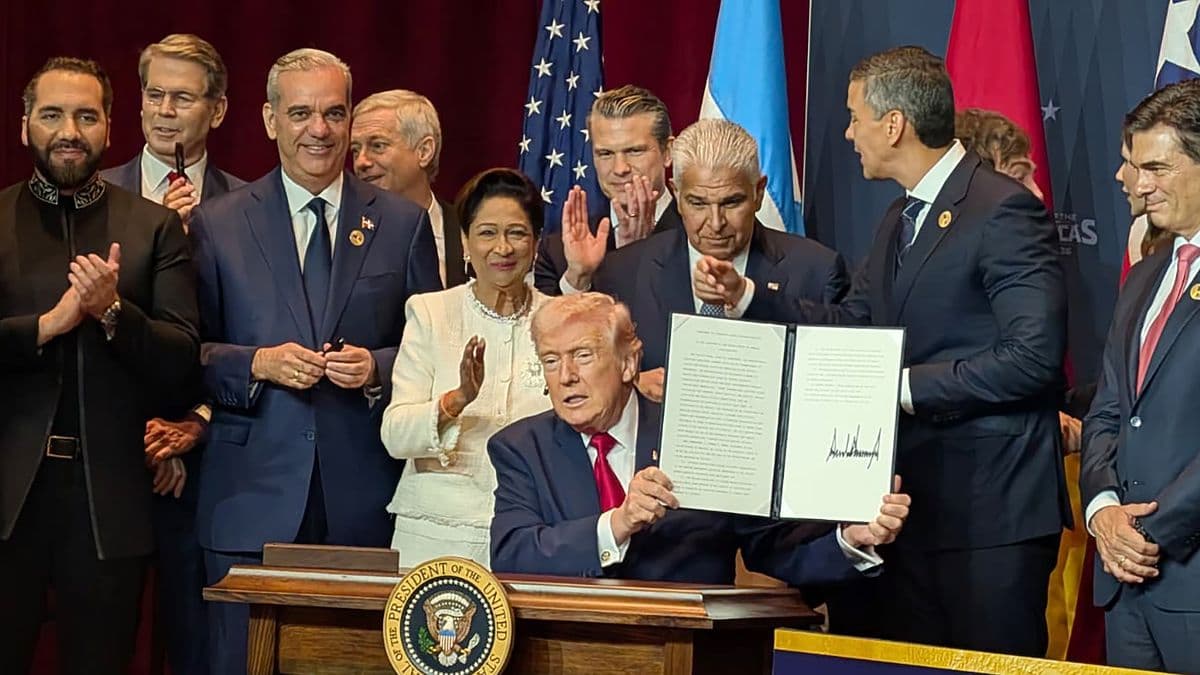
President Trump Offers Missiles to Latin America to Destroy Cartels
54 sources compared

US Restores Diplomatic Relations With Venezuela Months After Trump-Ordered Raid Captured Maduro
68 sources compared

Floods Kill 46, Displace Thousands, Bury Towns in Minas Gerais, Brazil
10 sources compared
Tarek William Saab Resigns as Venezuela Attorney General After U.S. Military Deposes Maduro
11 sources compared