
United States Floats 15-Point West Asia Ceasefire Framework Requiring Iran's Acceptance
Key Takeaways
- Iran rejects the US 15-point ceasefire plan and launches attacks on Israel and Gulf states.
- Trump urged Iran to get serious soon about negotiations to end the war.
- Israel claims to have killed Iran's IRGC Navy chief amid Strait of Hormuz tensions.
Ceasefire plan and mediation
The United States floated a conditional 15-point ceasefire framework for West Asia, while Tehran signaled rejection and pressed for its own terms.
“Iran on Wednesday dismissed an American planto pause the war in the Middle Eastand launched more attacks on Israel and Gulf Arab countries, including an assault that sparked a huge fire at Kuwait International Airport”
Iran’s foreign minister insisted there had been no direct talks with the United States and that there would be no negotiations, saying, "we do not plan on any negotiations".

At the same time, multiple outlets pointed to Islamabad, Cairo, and Ankara as mediators and to Pakistan as a potential host for high-level talks, underscoring a parallel diplomatic track even as Iran held firm on its conditions.
Escalating strikes and effects
Iran escalated its military operations across West Asia, launching missiles and drones at Israel and Gulf targets, prompting regional retaliation and casualties.
NBC News reported that shrapnel from an Iranian missile struck the United Arab Emirates, killing two people and wounding three.

Firstpost described the broader escalation as an '80th wave' of Iranian missile strikes.
The Hans India added that the 80th wave targeted strategic installations in northern Israel and U.S. outposts in Kuwait, Jordan, and Bahrain.
Analysts and officials warned that the fighting was contributing to volatility in energy markets as oil infrastructure and shipping routes faced renewed pressure.
Tehran response, mixed signals
Outlets differed on Tehran’s response, illustrating a fragmented narrative about whether Iran was negotiating, rejecting, or simply exchanging messages via intermediaries.
“Live updates: Trump tells Iran to ‘get serious soon’ on negotiations after Tehran dismisses ceasefire plan Major developments we’re following: - U”
TIME framed Tehran as having both rejected the 15-point plan and proposed its own ceasefire terms.
AP News reiterated Iran’s stance that there were no negotiations, with Araghchi stating that his government does not plan to negotiate.
Axios reported that Tehran rejected the U.S. plan and described terms as "excessive."
Iran International noted that Iranian officials emphasized no direct or indirect talks had occurred, while signaling that friendly states were attempting to facilitate dialogue.
The White House, via The Media Line, described ongoing and productive contacts, highlighting the mixed messaging that outlets tracked across the diplomacy spectrum.
Mediation efforts and venues
Diplomatic momentum centerpieces narratives around Pakistan’s mediation bid, with Islamabad described as ready to host meaningful talks, and Egypt and Turkey named as backchannel intermediaries.
The Hans India reported that Pakistan had proposed hosting US-Iran peace talks, reflecting a shift toward a venue-based approach to de-escalation.

The Indian Express framed Pakistan as a pivotal interlocutor between Washington and Tehran, while The Times of India noted possible visits by U.S. officials to Pakistan to broker an off-ramp.
Iran International highlighted Pakistan as a potential channel, and The Media Line described ongoing backchannel diplomacy involving Egypt and Turkey, signaling multiple tracks to reduce tensions even as the war continued.
Oil, prices, and shipping
The economic and energy dimensions of the conflict remained front and center as markets reeled from the prospect of extended hostilities and restricted shipping lanes.
Iran’s strikes and the strait’s control helped push oil prices higher, with analysts warning that the disruption could reverberate globally.

The Associated Press noted that Iran’s actions, paired with restrictions on the Strait of Hormuz, have contributed to sharp price moves.
NBC News cited GCC officials accusing Iran of charging fees for passage and closing Hormuz to traffic.
Brent crude moved toward the $100-per-barrel mark as traders weighed the likelihood of a ceasefire and the potential for renewed military action.
More on Iran
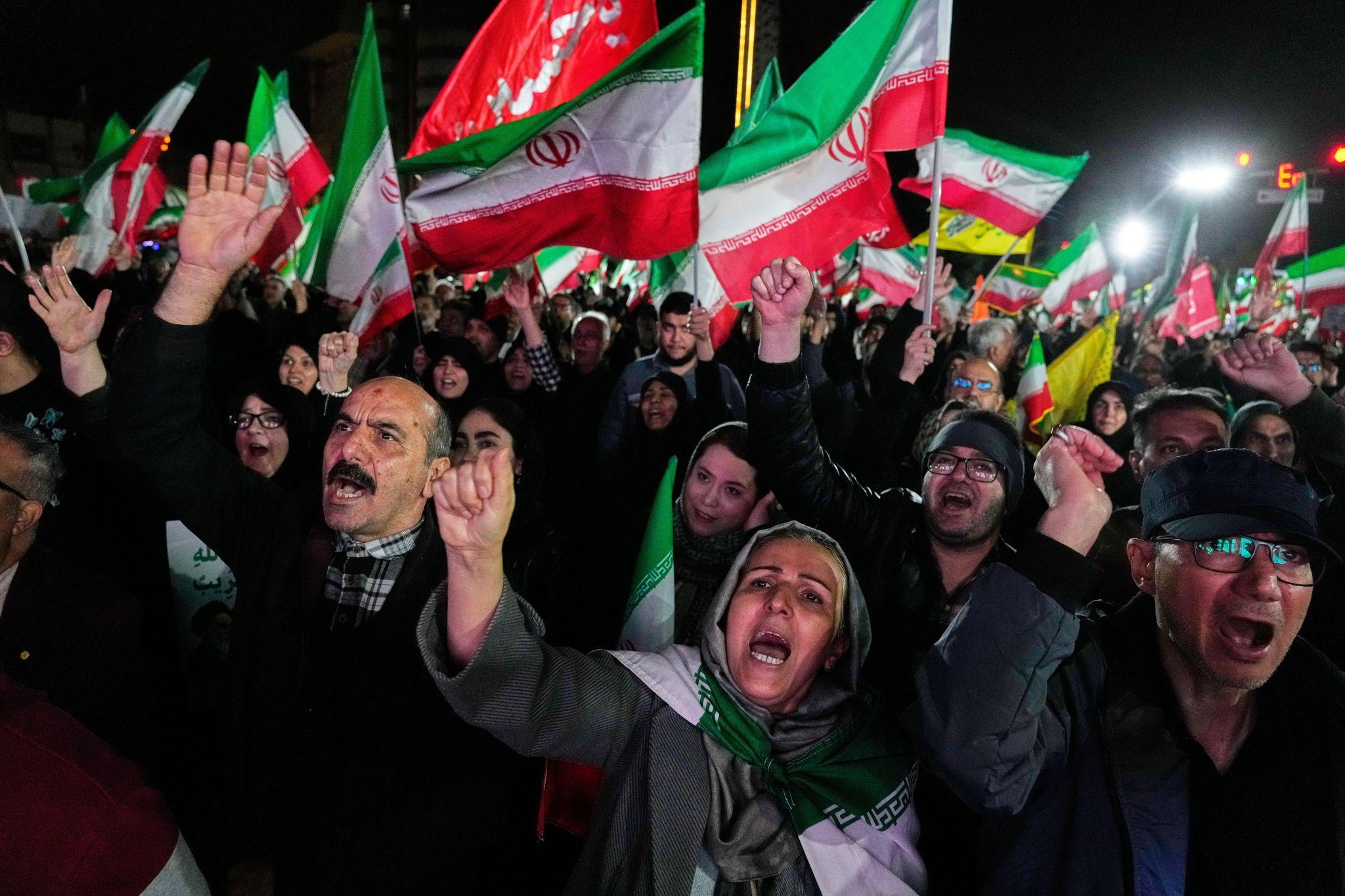
US Circulates 15-Point Plan Demanding Iran Curb Nuclear, Missile Programs to End War via Pakistan
16 sources compared

US and Israel Launched War; Americans Demand They Halt Escalation as Gas Fears Rise
15 sources compared

U.S. Demands Iran Dismantle Nuclear Program, Halt Enrichment, Cap Missiles, End Proxy Funding
16 sources compared
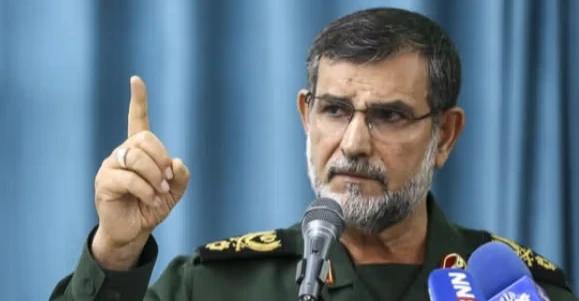
Israel Says It Killed IRGC Navy Commander Alireza Tangsiri In Bandar Abbas Airstrike
67 sources compared