
United States Naval Blockade of Iranian Ports Triggers Iran’s Strait of Hormuz Shipping Restrictions
Key Takeaways
- Iran reimposed restrictions on Strait of Hormuz shipping after U.S. blockade.
- Blockade disrupted energy supplies and risked oil prices, with Brent rising.
- Described as a dangerous standoff with ongoing naval enforcement by both sides.
Blockade timeline and claims
The dispute over the Strait of Hormuz has intensified into a direct test of maritime control, with the United States imposing a naval blockade of Iranian ports and Iran responding with its own restrictions on shipping.
Al Jazeera reports that the U.S. blockade of Iranian ports began at 14:00 GMT on April 13, and it says that since then the U.S. has fired on and seized an Iranian-flagged tanker near the Strait of Hormuz and redirected ships in open seas carrying cargo to or from Iran.

Iran’s armed forces have called this “an illegal act” that “amounts to piracy,” according to Al Jazeera.
In response to the U.S. naval blockade, Al Jazeera says Iran closed the Strait of Hormuz to all foreign shipping and captured several foreign-flagged ships, while it had previously allowed some ships deemed “friendly” to Iran to pass.
Al Jazeera also quotes Iran’s First Vice President Mohammad Reza Aref saying on April 19 that “security of the Strait of Hormuz is not free” and that “One cannot restrict Iran’s oil exports while expecting free security for others.”
The BBC frames the standoff as a “test of wills,” with the US and Iran’s rival blockades continuing, while Iran calls the blockade “piracy” and its top negotiator Mohammad Bagher Ghalibaf says reopening the strait is “not possible” while the US maintains its naval blockade.
CBS News adds that Defense Secretary Pete Hegseth said Friday the U.S. Navy’s blockade of Iranian vessels and ports will remain in place “as long as it takes,” and it describes the Trump administration as not in a hurry to reach a peace deal with Iran.
Economic pressure and oil flows
The blockade is being sold by Washington as a way to force Iran’s economy to buckle, while Iran argues the pressure is either illegitimate or temporary.
Al Jazeera says United States President Donald Trump claimed Iran is “collapsing financially” and wrote that Iran is “Losing 500 Million Dollars a day,” adding “Military and Police complaining that they are not getting paid. SOS!!!”.

It also reports that Iran’s armed forces have described the U.S. blockade as “an illegal act” that “amounts to piracy,” and that Iran has closed the strait to all foreign shipping.
Al Jazeera provides detailed figures on Iran’s oil exports through the Strait of Hormuz, saying Iran exported 1.84 million barrels per day (bpd) of crude oil in March and has shipped 1.71 million bpd so far in April, compared with an average of 1.68 million bpd in 2025.
It says from March 15 to April 14, Iran exported 55.22 million barrels of oil, and it states that the price per barrel of Iranian oil has not fallen below $90 per barrel over the past month, with “On many days, the price has surpassed $100 a barrel.”
Al Jazeera adds that even at the conservative estimate of $90 a barrel, Iran has earned at least $4.97bn over the past month from ongoing oil exports, and it contrasts this with early February before the war started when Iran was earning about $115m a day from crude oil exports.
El País describes the blockade as a “commercial siege” that deprives Iran of oil revenues and makes imports of essential goods difficult, calling the Strait of Hormuz a “double-edged sword” that tests “pain tolerance” on both sides.
US posture, rules of engagement, and interdictions
U.S. officials have emphasized that the blockade will not be time-limited and that military actions at sea will be enforced under specific rules of engagement.
CBS News reports that Defense Secretary Pete Hegseth said Friday the U.S. blockade of Iranian vessels and ports will remain in place “as long as it takes” and indicated that the Trump administration is in no hurry to reach a peace deal with Iran.
CBS News also says Hegseth echoed President Trump’s comments about control of the timeline for “Operation Epic Fury,” which it describes as continuing for nearly two months, and it notes that Trump said a two-week ceasefire with Iran would be extended while the Navy’s blockade would continue until talks with Iranian officials are concluded.
The same CBS News account quotes Hegseth saying, “If Iran is putting mines in the water, or otherwise threatening American commercial shipping or American forces, we will shoot to destroy. No hesitation,” and it adds that he declined to “speculate on a timeline” for how long it would take the U.S. to clear mines from the Strait.
CBS News includes details from Chairman of the Joint Chiefs of Staff Gen. Dan Caine, saying 34 ships had met the U.S. blockade and turned around, but one, the M/V Touska, was seized, and it says two other “stateless” vessels linked to Iran, the M/T Tifani and , were interdicted with their crew remaining in U.S. custody.
Al Jazeera reports that the U.S. has fired on and seized an Iranian-flagged tanker near the Strait of Hormuz and redirected ships in open seas carrying cargo to or from Iran, describing Iran’s response as calling the actions “an illegal act” that “amounts to piracy.”
The BBC’s framing and CBS’s operational details together show a posture in which both sides treat the maritime confrontation as a sustained contest rather than a short-term interruption.
Iran’s countermeasures and navigation claims
Iran’s public messaging about navigation through the Strait of Hormuz has shifted between opening claims and reimposed restrictions, with Iranian officials alleging U.S. “breaches of trust.”
CNN Arabic reports that the Iranian military said on Saturday it had reimposed restrictions on ship traffic through the Strait of Hormuz and alleged “repeated breaches of trust” by the United States regarding the ceasefire agreement between the two sides.

CNN Arabic says Iran’s Foreign Minister Abbas Araghchi told via X that the strait is open to navigation, but within hours official Iranian media confirmed “full oversight by the Iranian armed forces over vessel passage,” and that this passage would be deemed void and invalid if the alleged maritime blockade continues.
CNN Arabic also quotes a military spokesman saying Tehran had allowed a “limited number of oil tankers and merchant ships” to pass through the strait, while the semi-official Fars News Agency quoted the spokesman saying: “But unfortunately, the Americans — in light of their repeated violations of trust that form part of their long record — continue to engage in piracy and maritime theft under the banner of the blockade.”
The BBC similarly reports that Iran calls the blockade “piracy” and that Mohammad Bagher Ghalibaf said reopening the strait is “not possible” while the US maintains its naval blockade.
Al Jazeera adds that Iran’s armed forces called the U.S. blockade “an illegal act” that “amounts to piracy,” and it says Iran closed the strait to all foreign shipping and captured several foreign-flagged ships.
The Al Jazeera piece also includes Iran’s position that a full ceasefire could only work if the U.S. naval blockade is lifted, quoting Mohammad Bagher Ghalibaf saying a full ceasefire could only work if the US naval blockade is lifted.
How many ships crossed and what happened
Accounts of how much maritime traffic has moved through the Strait of Hormuz vary by outlet and by the time window described, underscoring how contested the operational picture is.
Al Jazeera describes the U.S. blockade as involving intercepting and redirecting ships, and it says Iran has controlled the strait since the effective closure implemented after February 28, while it continued to export its own energy products through the waterway.

Al Jazeera also reports that Iran exported 1.84 million bpd in March and 1.71 million bpd so far in April, and it provides the March 15 to April 14 total of 55.22 million barrels.
In contrast, Al Jazeera Net says more than 20 commercial ships crossed the Strait of Hormuz in the first 24 hours since the maritime blockade imposed by President Donald Trump went into effect on Monday, citing American newspapers and U.S. Central Command figures that six ships complied with orders to return to an Iranian port.
Al Jazeera Net adds that Trump said after the blockade went into effect on Monday that 34 ships had crossed the Strait of Hormuz the previous day (Sunday), and it says Anadolu Agency’s count, citing MarineTraffic, found 55 commercial ships crossed between April 8 and 12, with 29 loaded, and that the busiest day was Saturday, April 11, when 14 ships passed.
It also states that before the war, between February 1 and 27, the daily average number of ships crossing the strait was 129 ships.
CBS News provides another set of operational numbers, saying 34 ships had met the U.S. blockade and turned around, but one, the M/V Touska, was seized, and it says two other “stateless” vessels linked to Iran were interdicted with their crew in U.S. custody.
More on Iran
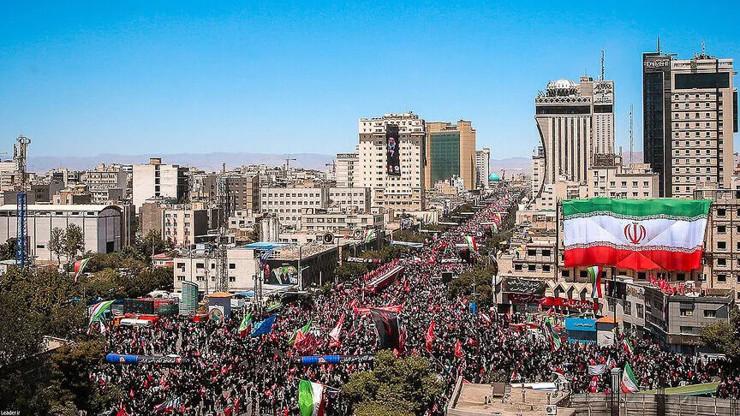
Israeli Strike Kills Ayatollah Ali Khamenei, Buried at Imam Reza Shrine in Mashhad
19 sources compared
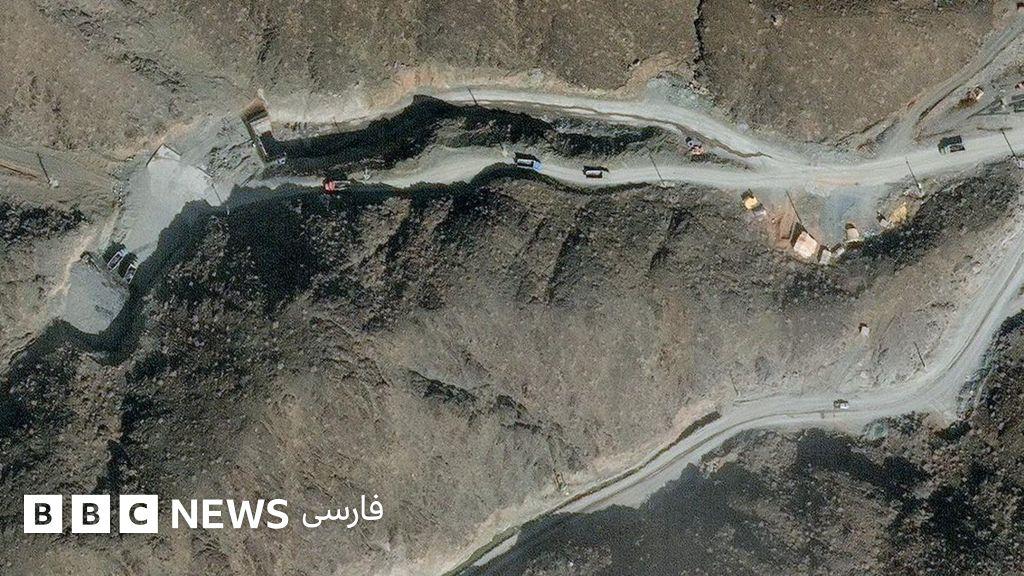
Iran Attempts To Restore Nuclear Sites Damaged In US And Israel Strikes, CNN Satellite Images Show
15 sources compared
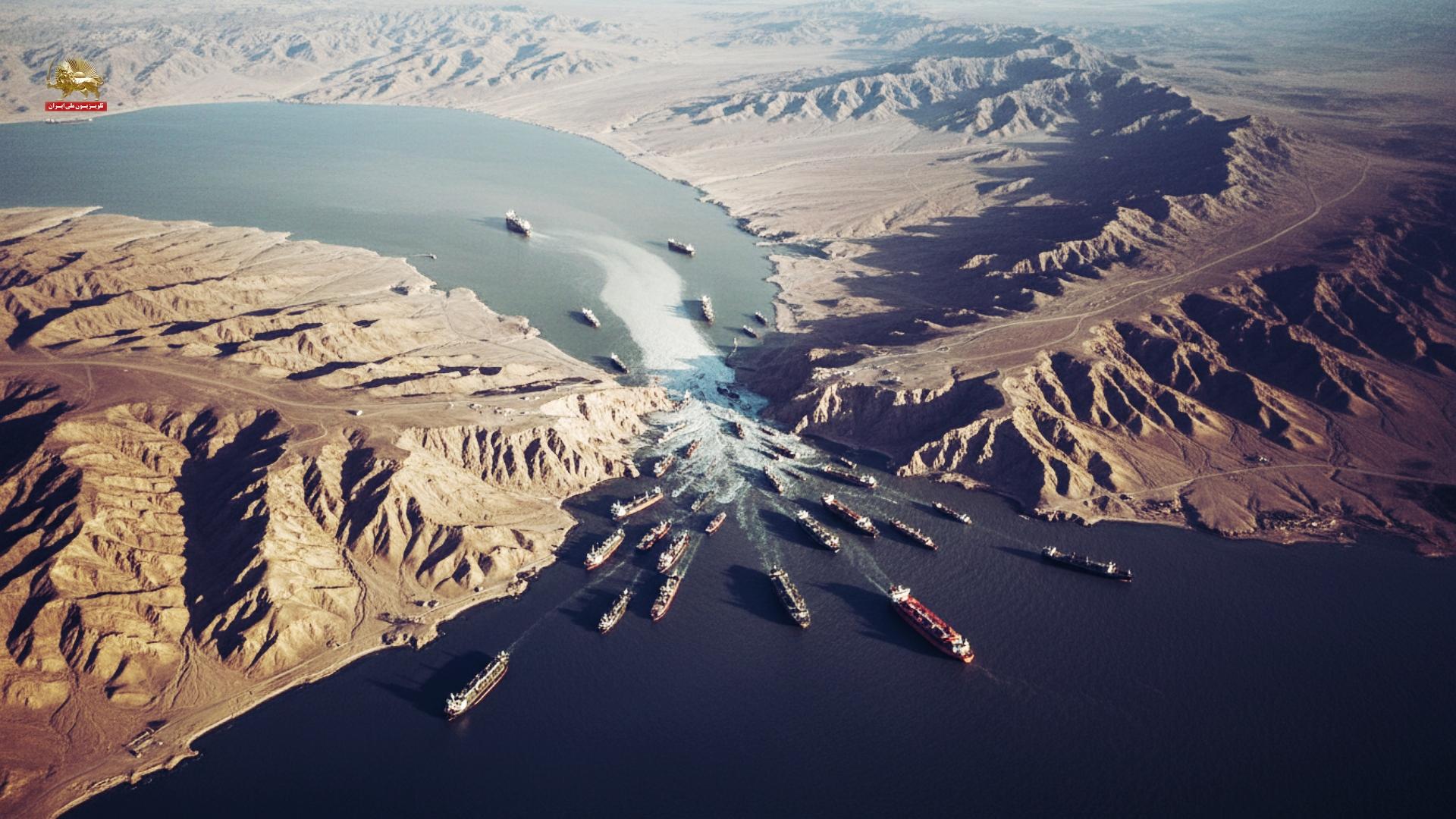
Abbas Araghchi and Prince Faisal Bin Farhan Discuss Regional Developments After US Attacks
11 sources compared

Trump Says U.S. Agreed to Continue Iran Talks, Ceasefire Is Over
19 sources compared