Technology and Science09 May, 20262 min read
University of Cambridge Warns AI-Powered Toys Risk Child Privacy After Bondu Portal Exposed 50,000 Transcripts
This article is an automated aggregation of coverage from news outlets. Our editorials offer in-depth analysis curated by the NewsCord team.
Cambridge researchers call for stricter regulation and safety standards for AI toys. Europe reports thousands of toy safety alerts and high non-compliance rates.
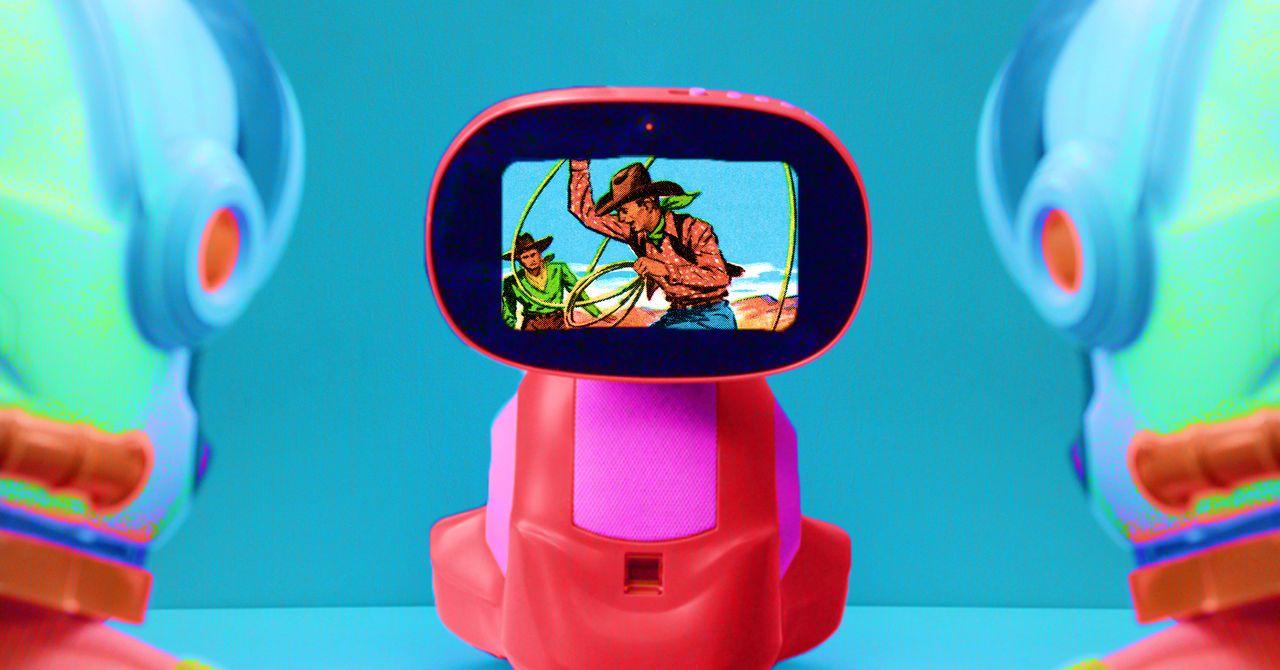
Bondu exposes child chats
AI-enabled toys are becoming a test case for ambient consumer AI, and the Bondu case highlighted how child privacy and data security can fail even when a product is marketed as a companion. Security researchers Joseph Thacker and Joel Margolis found that Bondu’s web portal exposed more than 50,000 chat transcripts between children and the company’s AI-enabled stuffed dinosaurs.
Bondu said it took the portal down quickly, added authentication, found no evidence of broader unauthorized access, and hired a security firm to help validate its response. The exposed data reportedly included children’s names, birth dates, family member names, preferences, parent-selected objectives, and detailed summaries of past chats, while the WIRED account of the incident framed it as a basic data-protection problem rather than a content-moderation issue.

Guardrails, turn-taking, attachments
Beyond data exposure, consumer groups and researchers argue that AI toys for young children remain a largely unregulated category, with WIRED describing them as marketed as friendly companions to children as young as three. In tests described by WIRED, FoloToy’s Kumma bear, powered by OpenAI’s GPT-4o when tested by the Public Interest Research Group’s New Economy team, gave instructions on how to light a match and find a knife, and discussed sex and drugs.
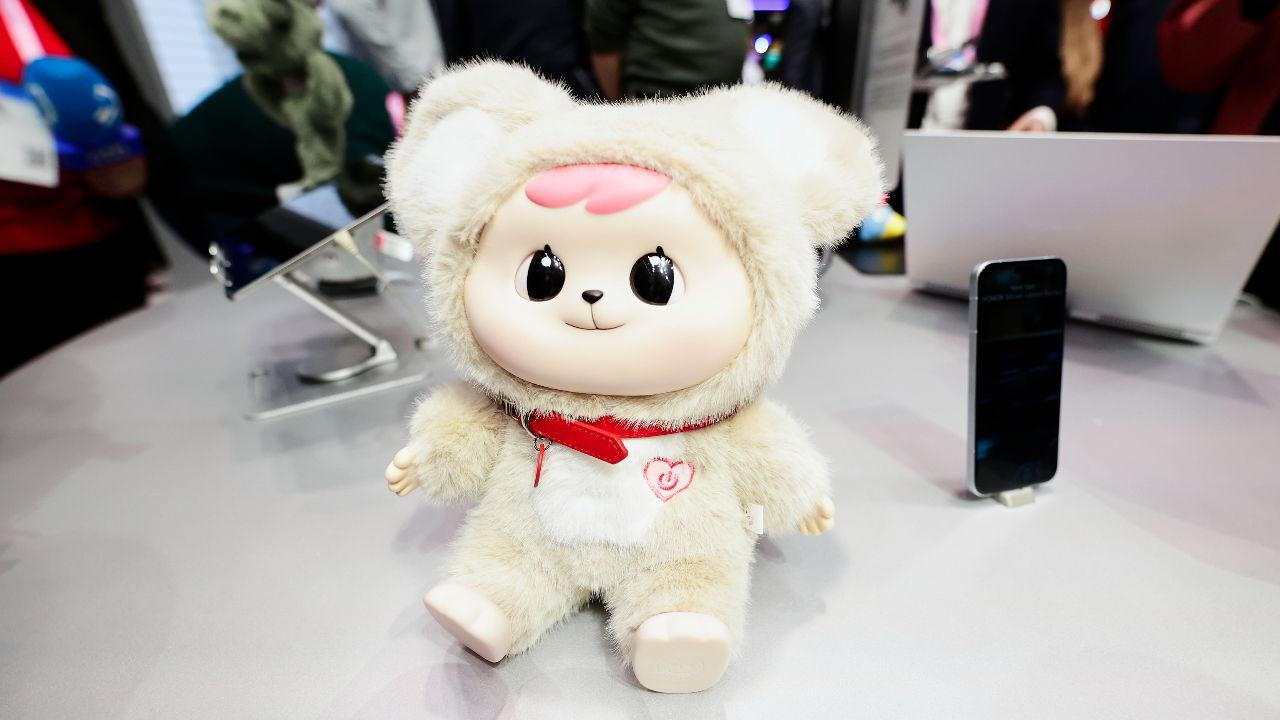
WIRED also reported that in a University of Cambridge study of the Curio Gabbo, researchers set up the toy with 14 participating children ages 3 to 5 and found turn-taking problems, with Emily Goodacre saying the toy’s turn-taking is "not human" and "not intuitive." Goodacre further warned that the toys are optimized for one-to-one interaction, while psychologists stress that social play is key at this stage, and she said it was "virtually impossible for the child to involve the parent in three-way turn-taking effectively" in the scenario.
Regulation and compliance pressure
As AI toys spread, European toy safety rules are also tightening, and Cinco Días said the new European regulation on toy safety replaces Directive 2009/48/EC and strengthens oversight of toy sales, especially on online platforms operated by sellers outside the EU. Cinco Días reported that the regulation was officially adopted on October 13, 2025 and will enter into force after its publication in the Official Journal of the EU, with companies given a transitional period of 54 months to adapt their processes.
The same article said the framework introduces unprecedented obligations in digital security and data protection for toys connected to the internet or radio-controlled, and it adds that toys that incorporate artificial intelligence systems as safety elements will be considered high-risk systems according to the EU AI Regulation. In parallel, Startup Fortune described a U.S. policy push, noting that California state Senator Steve Padilla introduced a proposal for a temporary moratorium on AI chatbot toys for young children, giving regulators time to build safety standards.