UNRWA Warns Gaza Displaced Children Are Bitten by Rats as Rodent Infections Rise
Key Takeaways
- UNRWA warns displaced Gaza children bitten by rats in overcrowded tents.
- Rodent infestations and sewage contamination raise disease risks for refugees in Gaza.
- Israeli bombardment and blockade contribute to destruction enabling the health crisis.
Rats, sewage, and disease
Palestine Chronicle reported that UNRWA warned displaced children in the Gaza Strip are being bitten by rats while sleeping inside overcrowded tents, as Gaza’s displaced population faces growing health risks from overcrowding, lack of clean water, collapsed sanitation systems, and the spread of rodents and parasites.
“Rats scurry among the tents at the Yarmouk stadium in Gaza City”
UNRWA said it is working with the World Health Organization (WHO) and local partners to monitor rising skin infections and disease risks caused by rats, mice, lice, fleas, and mites, and it cited WHO figures showing more than 17,000 infections linked to rodents and external parasites recorded in Gaza since the beginning of 2026.

Democracy Now! quoted Palestinian aid worker Eyad Amawi of the Gaza Relief Committee describing Israel’s destruction of infrastructure as a “generator for disease,” with sewage contamination and rodent infestation becoming an everyday hazard for refugees living in tent camps.
Amawi said, “It’s no longer just bombardment or physical destruction. It is the collapse of every essential condition required for human survival: water, food, health, dignity, shelter, safety, everything.”
Witnesses describe infestation
CBC described Palestinians displaced after Israeli airstrikes seeking refuge in tents made of tarps near a garbage dump at the Yarmouk stadium in Gaza City, where residents said large black rats run through the tents, sometimes biting them and leading to the spread of disease.
Fathi Subh told CBC freelance videographer Mohamed ElSaife, “The rats are like a storm.... I'm suffering a lot from the rats and from the life we're living here,” and CBC reported he said he was treated in hospital for wounds from rat bites.
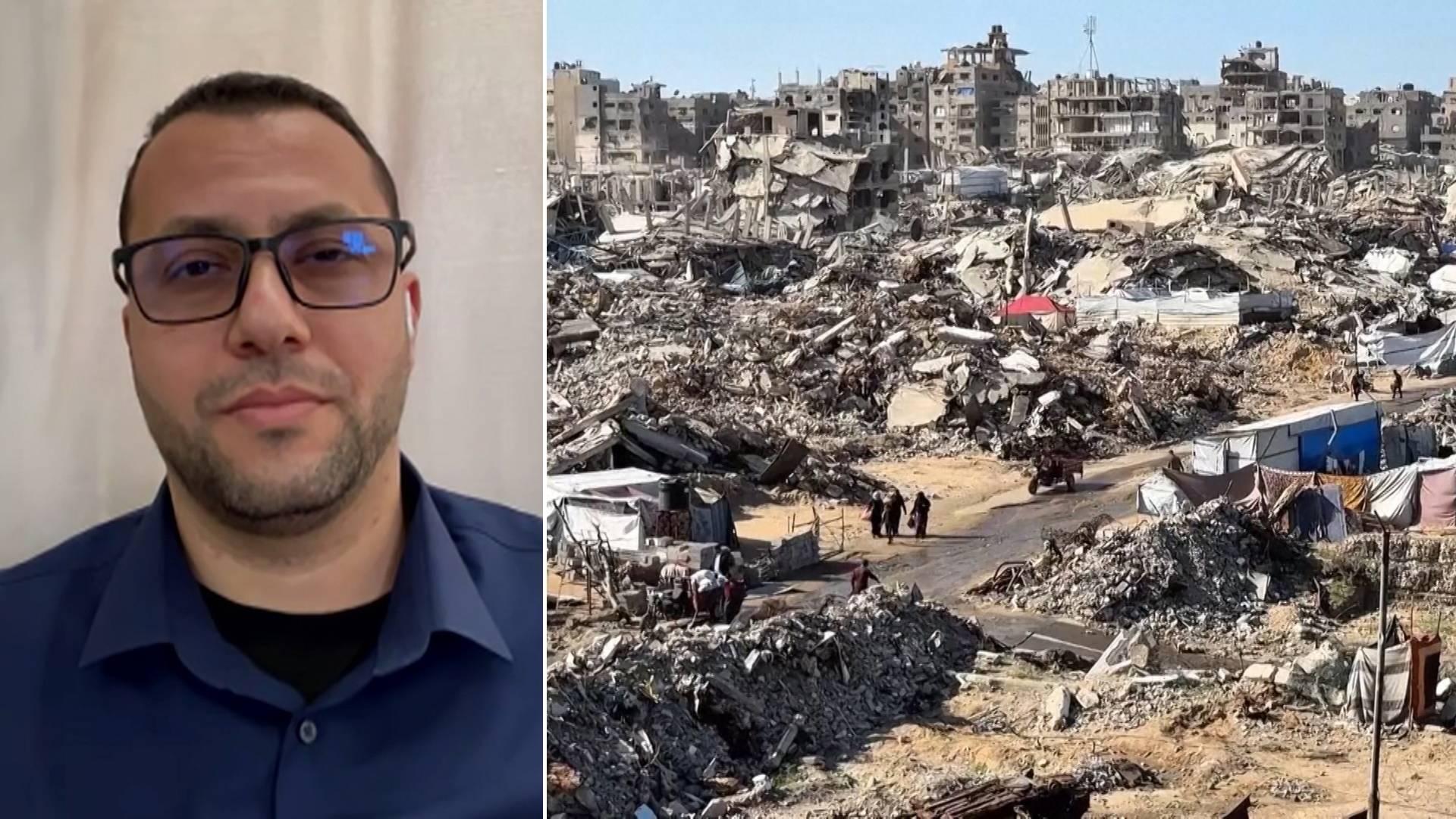
CBC also reported that the United Nations Office for the Co-ordination of Humanitarian Affairs says two million Palestinians in Gaza are still displaced despite a fragile ceasefire in October between Israel and Hamas, and it said aid groups warn prime conditions have developed for rat infestations.
In a statement to CBC News, Joel Onyeke, Save the Children's head of operations in Gaza, said the “accumulation of waste, limited means of disposal and the collapse of the sewage system have all contributed to worsening conditions.”
Aid limits and mounting risk
Palestine Chronicle said UNRWA called for the urgent entry of more tents, pesticides, medicines, and humanitarian supplies into Gaza, warning that Israel’s restrictions on aid entry and the collapse of Gaza’s health system have left thousands without adequate treatment.
“Skip to content See all results Subscribe See all results Subscribe “Trained rats” in Gaza”
The same report quoted UN Secretary-General spokesperson Stephane Dujarric warning that Gaza’s waste crisis is creating dangerous public health conditions, saying a UN team recently helped extinguish a fire at a market in Gaza City turned into a waste storage site.
Democracy Now! said Israel is continuing daily strikes on Gaza while expanding areas under its control and blocking essential aid from entering the besieged territory, and it described a wider pattern of siege conditions affecting water, food, health, and shelter.
In Gaza, the stakes are immediate and medical: CBC reported that pesticides are the only immediate solution available in Gaza to stop the infestation, while it also said COGAT allowed the entry of about 82 tonnes of pest control materials and more than 1,000 mousetraps into the enclave in recent weeks.
More on Gaza Genocide

Islamic Resistance Targets Caterpillar D9 Bulldozer and Merkava Tank in Southern Lebanon
16 sources compared
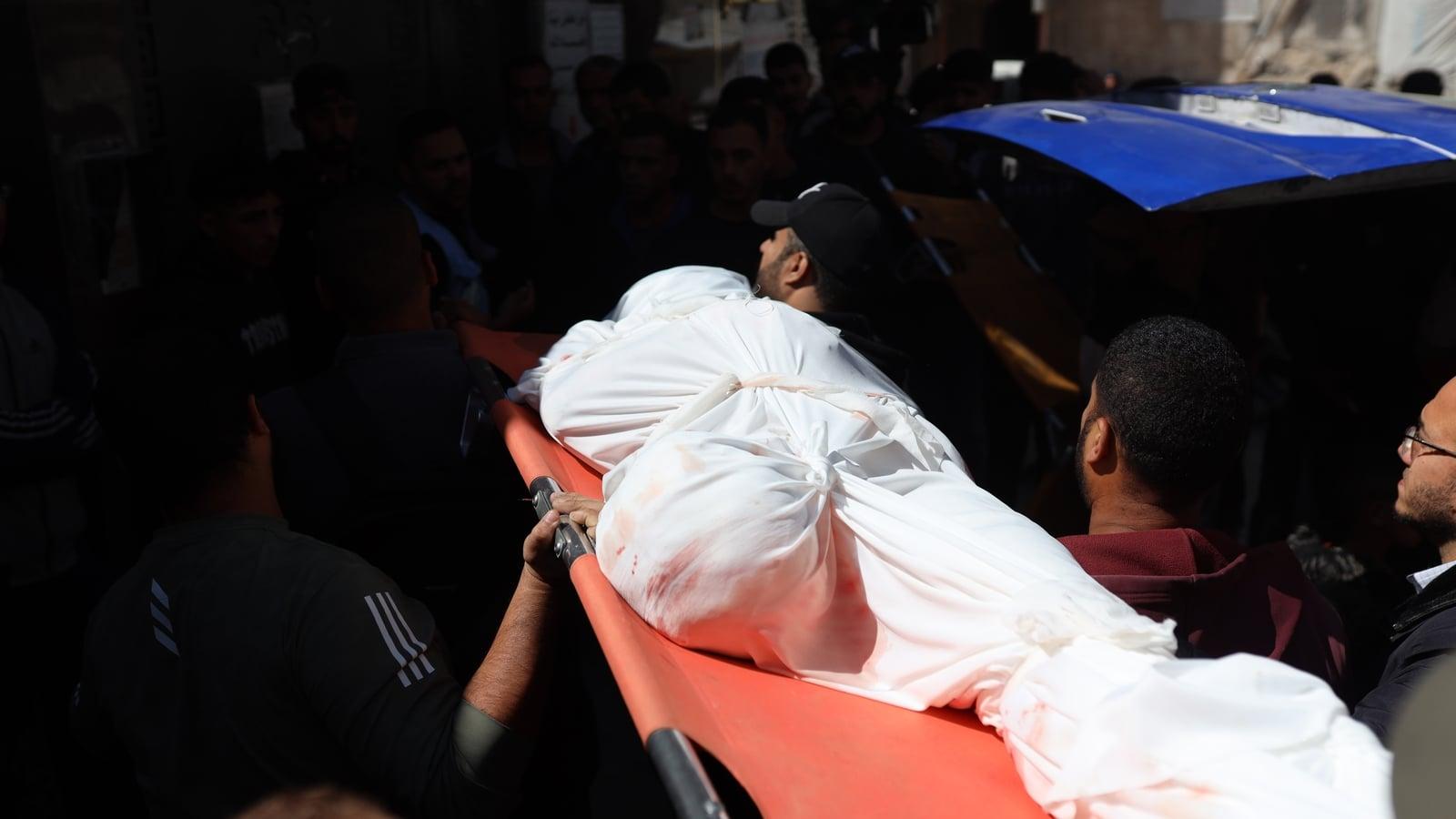
Israel Kills Azzam Al-Hayya, Son of Hamas Chief Negotiator Khalil Al-Hayya, in Gaza Strike
11 sources compared
Israeli Airstrike Kills Azzam Al-Hayya, Son of Hamas Chief Negotiator Khalil Al-Hayya
26 sources compared
Israeli Occupation Forces Issue Demolition Notices for 50 Shops in Al-Eizariya Under E1 Plan
10 sources compared