
U.S. And Iran Agree To 60-Day Ceasefire Extension Pending Trump Approval
Key Takeaways
- A 60-day extension of the ceasefire between the U.S. and Iran is agreed.
- Final approval from President Trump is still required before it takes effect.
- Negotiations on Iran's nuclear program are to be launched alongside the extension.
Ceasefire extension pending
The United States and Iran reached an agreement to extend their ceasefire for 60 days, but President Donald Trump had not yet approved it, Reuters reported via a source familiar with the matter.
“Reports of a US-Iran deal to extend the ceasefire awaiting Trump's approval”
The U.S. military on Thursday (May 28, 2026) slammed Iran for violating a fragile ceasefire after Kuwait reported coming under attack in the latest flare-up, with U.S. Central Command calling the Iranian attack on one of America’s top allies in the Persian Gulf an “egregious ceasefire violation.”
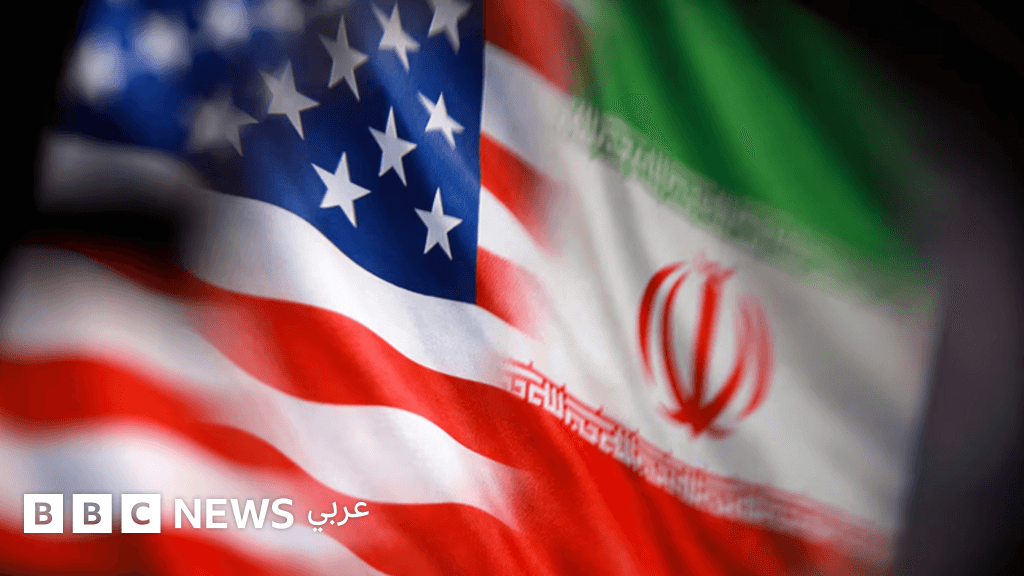
In parallel, the White House said the 60-day deal would allow time for negotiators to pursue a full end to the war on the Islamic Republic, but it still required Trump’s approval and Iran’s top leadership to give final approval.
The BBC reported U.S. officials said negotiators had reached a framework for a 60-day extension alongside launching negotiations about the future of the Iranian nuclear program, while Tehran-based reports questioned whether a final agreement had been completed.
Strikes, drones, and threats
The ceasefire talks faced pressure as the U.S. launched multiple strikes on Bandar Abbas port and Iran retaliated by striking a U.S. military base in Kuwait, according to the Middle East Eye report.
U.S. Central Command said it had intercepted missiles launched by Iran late on Wednesday (May 27) night, and the BBC described how the IRGC said it targeted a U.S. airbase in Kuwait in response to what it described as an early morning U.S. attack near Bandar Abbas airport.

Kuwait’s Foreign Ministry condemned the attacks as a serious escalation and a blatant violation of sovereignty and security, while the BBC quoted Kuwait’s demand that Iran immediately and unconditionally halt the attacks.
Trump also threatened Oman over a possible short-term arrangement for controlling the strait, saying, "It's international waters, and Oman will behave just like everybody else, or we'll have to blow them up."
Gaza control and regional stakes
While U.S.-Iran ceasefire negotiations played out, El País reported that Israeli Prime Minister Benjamin Netanyahu ordered the Israeli army to take control of 70% of the Strip, ignoring the Gaza ceasefire terms in force since October.
“Washington had previously announced that both sides had reached a preliminary agreement to extend the ceasefire by 60 days and to begin talks on the Iranian nuclear program”
El País said Netanyahu ordered the army to occupy 70% of Gaza’s territory, 10% more than it already controls and almost 20% above what the ceasefire agreement specifies, and it described the announcement at a public event in a settlement in the occupied West Bank.
El País also reported that Iran denied the United States and denied having reached a preliminary agreement to extend the ceasefire, citing Tasnim as saying the text had not yet been finalized or confirmed.
In the same broader context of negotiations, the BBC said Iran’s Supreme Leader Ayatollah Ali Khamenei warned that “The enemy's blind plan, after the war imposed and the economic pressures and the political and media siege, is to cause divisions and fragmentation to compensate for military defeats and subdue the nation.”
More on Gaza Genocide

Israel Cuts Ties With UN Chief Antonio Guterres After UN Blacklists Israel
21 sources compared

Netanyahu Orders Israeli Military To Take Over 70% Of Gaza Territory
26 sources compared

Israel Kills Hamas Military-Wing Leaders Mohammed Odeh And Izz Al-Din Al-Haddad In Gaza
13 sources compared

Israel Kills Hamas Military Wing Chief Mohammed Odeh in Gaza Air Strike
14 sources compared