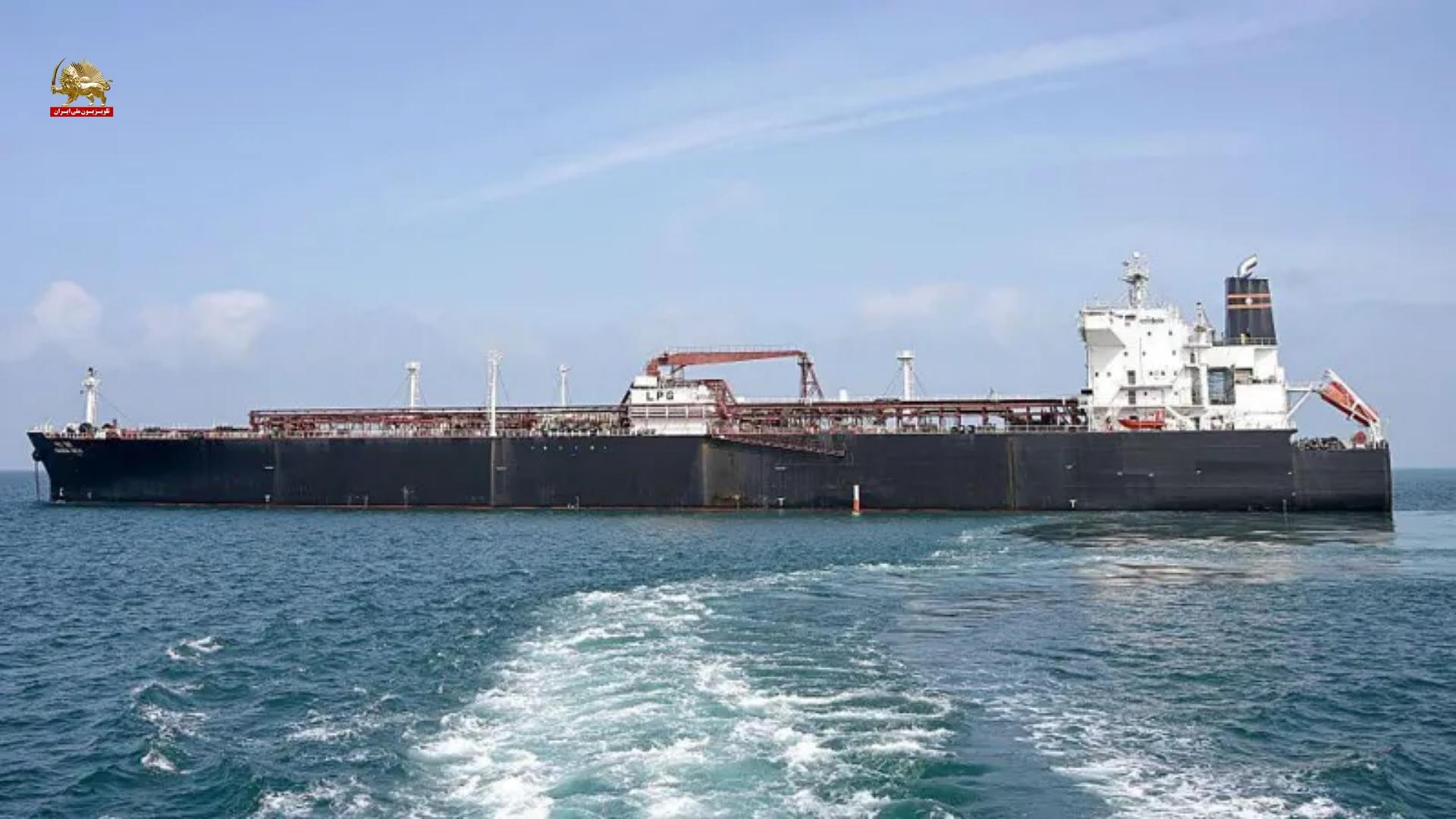
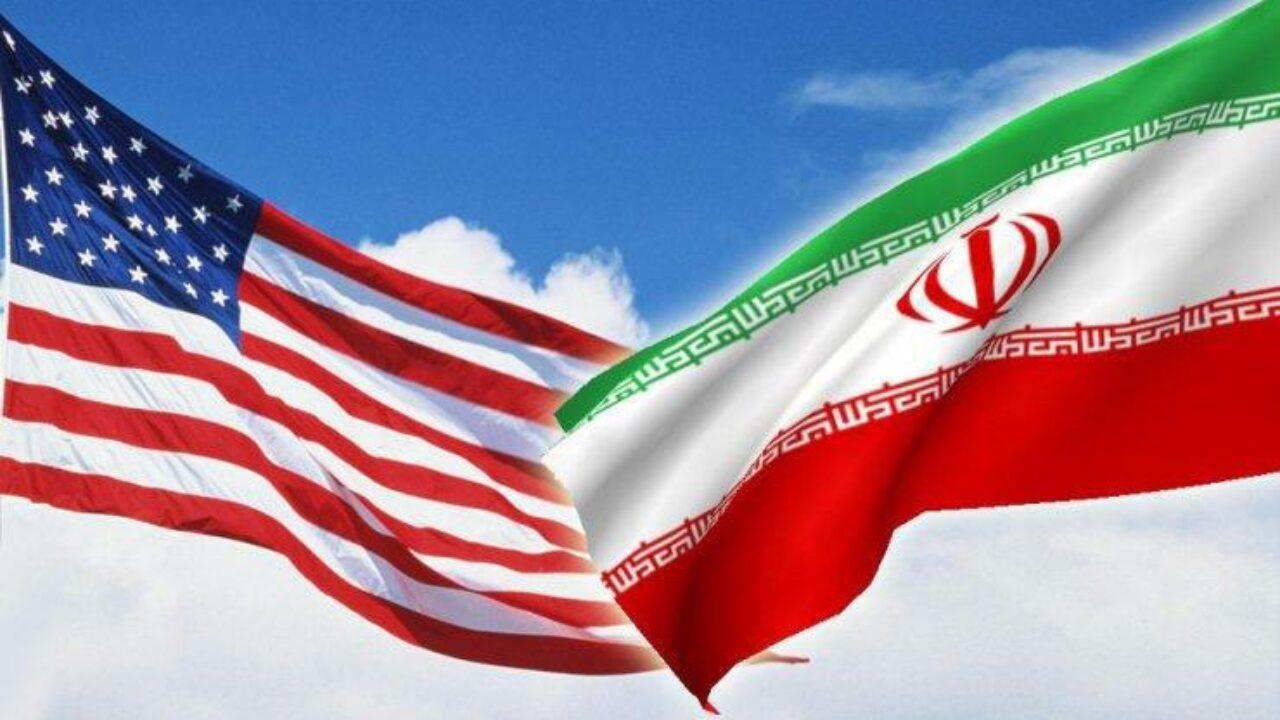
US And Iran Agree To Stand Down After Strikes, Resume US-Iran MoU Talks
Key Takeaways
- US and Iran sign 14-point MoU to end war, reopen Hormuz, lift sanctions.
- US and Iran stand down after strikes; ships pass freely while talks continue.
- Mediation by Pakistan and Qatar supports implementation, with Doha-based follow-ups.
Stand down and Doha
The United States and Iran agreed to "stand down" after an exchange of strikes over the past few days, with the US official telling the BBC's US partner CBS News that vessels would be able to move through the Gulf waterway "freely".
The BBC said the agreement came after attacks in and around the Strait of Hormuz, with both nations accusing each other of violating their ceasefire, and it noted that strikes resumed on Thursday after an Iranian projectile hit a cargo ship in the Strait of Hormuz.

The BBC reported that on Saturday Iran responded with strikes on US bases in Kuwait and Bahrain, and it said the US stated none of these attacks reached their targets and there were no casualties or damage.
The BBC added that US President Donald Trump said a meeting would be held in Qatar's capital at Iran's request, writing on Truth Social: "IRAN HAS REQUESTED A MEETING. IT WILL TAKE PLACE TOMORROW IN DOHA!"
The Hill reported that a US official told the outlet that "Technical talks are slated to continue on all areas of the MOU" and that both sides would "stand down for now and vessels can move freely" after renewed fighting in the past few days.
Dispute over talks and MoU
Dawn reported that negotiations between the United States and Iran aimed at ending their confrontation seemed to hang in the balance, saying Iran did not take part in technical talks slated for Sunday due to recent attacks and unfulfilled conditions of the MoU with the United States.
Dawn also said Axios quoted a senior US official saying both sides had agreed to stop strikes against each other, and it reported that the two sides were expected to meet in Doha tomorrow (Tuesday) to work out their dispute over the Strait of Hormuz.

In Washington, Dawn quoted a diplomatic source saying, "No one expected these talks to be easy or to conclude quickly," and it described the Tuesday talks as originally set to happen in Switzerland but moved and refocused on the Strait of Hormuz.
The Hill said Iran asserted its authority over the Strait of Hormuz on Friday, warning that safe passage could only be guaranteed for ships that coordinated with the government, and it tied that to Trump accusing Iran of hitting a commercial vessel sailing close to the coast of Oman with a one-way attack drone.
Al Jazeera reported that the MoU was supposed to halt a 109-day war between the two countries, and it framed the current period as a 60-day window to negotiate a permanent settlement while the Strait of Hormuz remained volatile with clashes on Friday and Saturday.
Article 5 and what’s at risk
Hindustan Times said the latest escalation put Article 5 of the US-Iran MoU under the spotlight, describing it as the provision governing the reopening and management of the Strait of Hormuz and noting that both Washington and Tehran accused each other of violating the MoU.
“When US President Donald Trump and Iranian Parliament Speaker Mohammad Bagher Ghalibaf put an electronic pen to paper on a 14-point memorandum of understanding (MoU) in June, it was supposed to halt a 109-day war between the two countries”
It quoted the exact text that "the Islamic Republic of Iran will make arrangements using its best efforts for the safe passage of commercial vessels with no charge, for 60 days only," and it said the provision also required demining and removing technical and military obstacles within 30 days.
Hindustan Times reported that Iran argued Article 5 placed responsibility for reopening and managing the Strait of Hormuz squarely in its hands, and it included Abbas Araghchi’s warning that "Any attempt to adopt new or separate arrangements compared to what is underway by the Islamic Republic of Iran" would increase tensions.
Al Jazeera said the MoU was mediated heavily by Pakistan and Qatar and that it lifts the US naval blockade on Iran in exchange for Tehran reopening the vital Strait of Hormuz, while also noting that the number of tit-for-tat attacks decreased since the MoU was signed but did not stop entirely.
Al Jazeera added that renewed fighting could threaten the Strait of Hormuz, disrupt global energy markets, and impose enormous costs, and it quoted Negar Mortazavi saying both Washington and Tehran now have "more to lose from the collapse of diplomacy than from the compromises required to sustain it."
More on USA

Supreme Court Overturns 1935 Precedent, Lets Trump Remove FTC Commissioner At Will
11 sources compared
Senate Ethics Committee Dismisses Complaint Against Arizona Sen. Ruben Gallego
14 sources compared

U.S. Supreme Court Blocks Trump From Firing Fed Governor Lisa Cook, Upholds Other Firings
39 sources compared
Trump Says U.S. and Iran Resume Peace Talks in Doha After Strait of Hormuz Attacks
16 sources compared