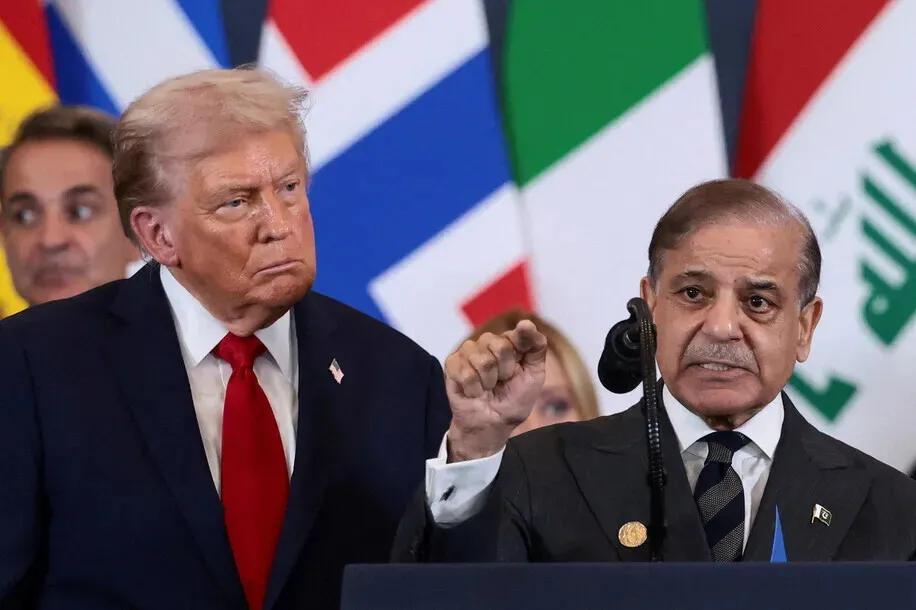
US and Iran Agree to Two-Week Ceasefire Amid Dispute Over Peace Plan Terms
Key Takeaways
- United States and Iran agreed to a two-week ceasefire in the war.
- Iran's 10-point plan proposed as basis; White House says it doesn't align with conditions.
- Pakistan to host negotiations in Islamabad between US and Iran.
Ceasefire and Divergent Plans
The United States and Iran agreed to a two-week ceasefire after weeks of intense military conflict.
“Confusion over competing United States and Iranian proposals to end the war is deepening uncertainty about the fragile two-week ceasefire between the longtime foes, with officials presenting sometimes differing accounts of what has been agreed”
President Trump called Iran's 10-point plan a workable basis on which to negotiate.

Confusion emerged as the publicly released Iranian plan included demands the US has rejected in the past.
Trump distanced himself from the public plan, saying there is only one group of meaningful points acceptable to the United States.
The White House said Iran's initial 10-point plan was literally thrown in the garbage.
The two sides remain oceans apart on core issues including nuclear enrichment, missile capabilities, and regional proxies.
Key Disagreements
One of the most contentious issues is Iran's nuclear program.
The US 15-point plan called for dismantling Iran's nuclear facilities.

Iran's 10-point plan explicitly demanded acceptance of enrichment.
The Strait of Hormuz also remains a major sticking point.
Iran's plan framed continued Iranian control over Hormuz as part of the postwar order.
Israeli Prime Minister Netanyahu said the two-week ceasefire does not include Lebanon.
Diplomatic Uncertainty
Iran's ambassador to Pakistan deleted a social media post announcing Tehran's delegation's visit to Islamabad.
Pakistan is acting as a neutral mediator.
The US team will include Vice President Vance, special envoy Steve Witkoff, and Jared Kushner.
Iranian Parliament Speaker Qalibaf accused the US of violating three tenets of the 10-point peace plan.
The competing narratives highlight the fragility of the ceasefire.
Regional and Global Stakes
Gulf Arab countries are seeking to enhance defense cooperation with the US military.
Oil prices remain volatile, with Brent crude at $97 per barrel.
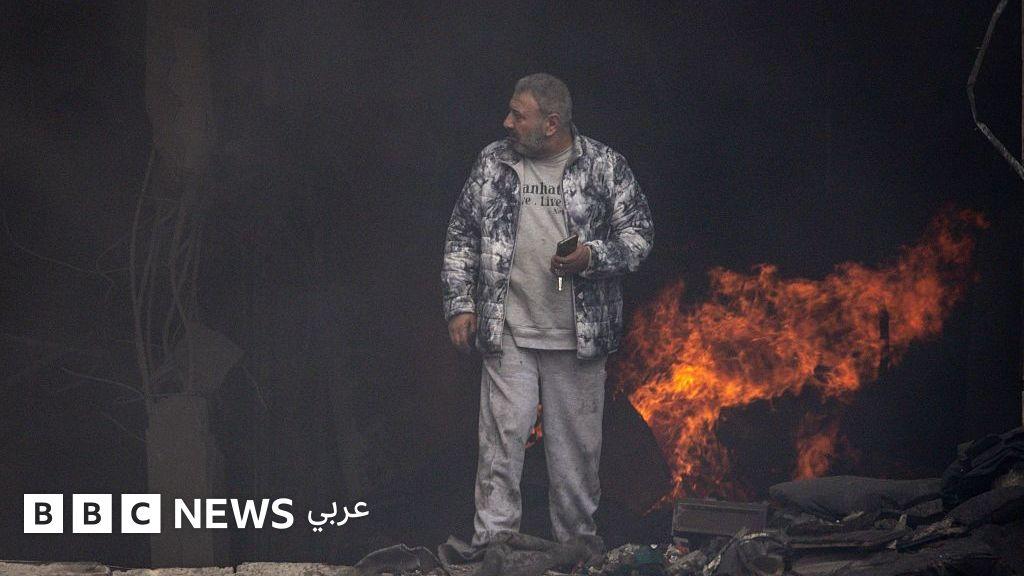
The Israeli offensive in Lebanon has killed at least 1,500 people.
The divergent positions on Lebanon underscore how the Iran conflict has expanded beyond its original boundaries.
The success or failure of the talks could influence the future of stability in West Asia.
More on Iran

Iran Controls Strait of Hormuz, Blocking Shipping Despite US Ceasefire
38 sources compared

Pakistan Hosts US-Iran Talks Led by Vance and Ghalibaf to Secure Ceasefire
17 sources compared

Trump Threatens NATO With Troop Withdrawals Over Iran War Support
10 sources compared
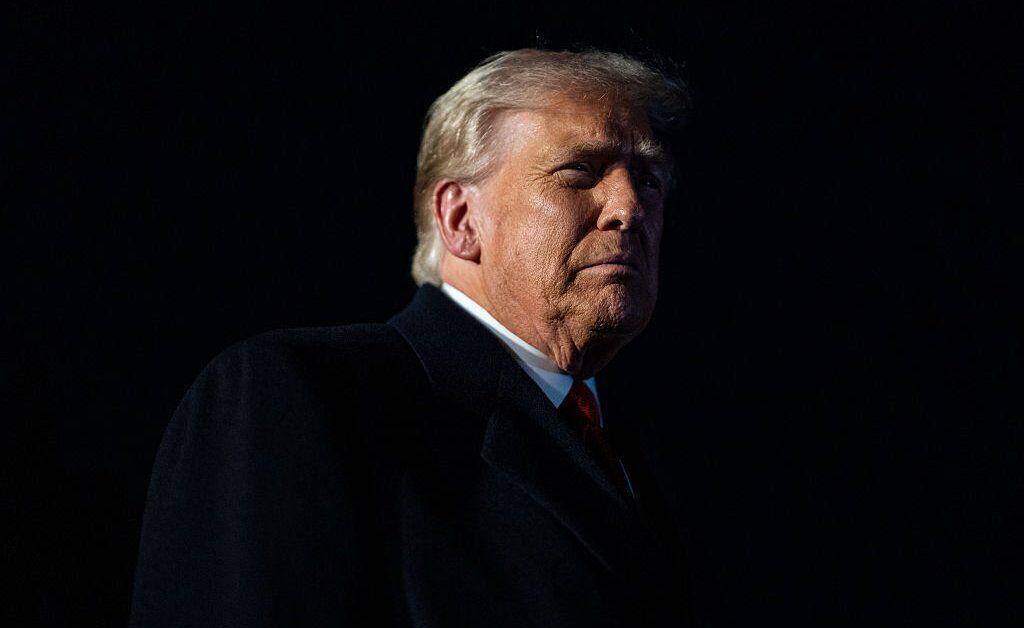
Trump Declares U.S. Military Will Stay Near Iran Until Tehran Complies With Nuclear Deal
11 sources compared