US And Iran Exchange Fire In Strait Of Hormuz, Trump Says Destroyers Attacked
Key Takeaways
- Iran launched missiles, drones, and small boats against U.S. warships.
- U.S. forces conducted strikes on Iranian ports and missile-launch sites.
- The clashes jeopardize the fragile ceasefire in the Strait of Hormuz.
Hormuz Clash Tests Ceasefire
The United States and Iran exchanged fire in the Strait of Hormuz on Thursday, threatening the already fragile ceasefire between the two warring nations.
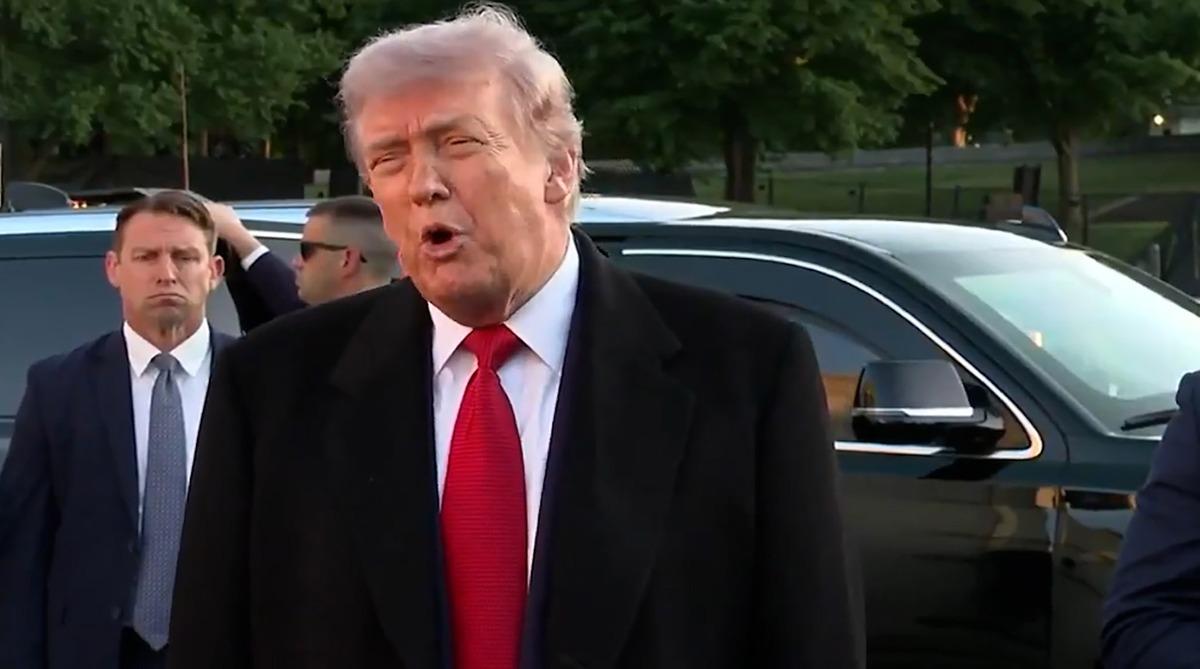
US President Donald Trump said three US Navy destroyers were attacked as they moved through the Strait of Hormuz, and he wrote on Truth Social, "Three World Class American Destroyers just transited, very successfully, out of the Strait of Hormuz, under fire."
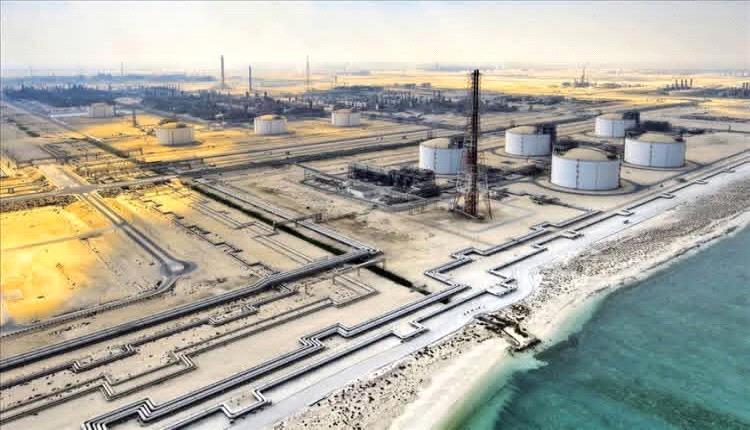
The flare-up came as Washington awaited a response from Tehran to its latest proposals for an agreement to end the war that began with joint US-Israeli air strikes on Iran on February 28.
Iran’s top joint military command accused the US of violating the ceasefire by targeting an Iranian oil tanker and another ship, and it also said the US carried out air attacks on civilian areas on Qeshm Island and nearby coastal areas in Bandar Khamir and Sirik.
The military said it responded by striking US military vessels east of the strait and south of the port of Chabahar, while Iran’s Press TV later reported that after several hours of fire, "the situation on Iranian islands and coastal cities by the Strait of Hormuz is back to normal now".
Competing Narratives, Market Shock
In Washington, Trump sought to play down the exchange, telling reporters, "They trifled with us today. We blew them away," while Iran’s Khatam al-Anbiya Central Headquarters spokesperson claimed Iranian strikes inflicted "significant damage."
The National reported that oil rose as much as 2.9 per cent with Brent near $103 and WTI at $95.78, even as equities fell after renewed US-Iran clashes.

US Central Command said it eliminated "inbound threats" and struck Iranian military sites used to attack American forces, while the same outlet said the US said it does not seek escalation but is ready to protect its forces.
The National also quoted Michael Brown, senior research strategist at Pepperstone, saying talks continue with "progress towards a deal" as the truce holds, framing the confrontation as a test of diplomacy rather than an open-ended break.
At the same time, the Al Jazeera report said it remains unclear which side started Thursday’s clashes, noting the two sides have occasionally exchanged gunfire since the ceasefire took effect on April 8.
What Comes Next for Talks
The clashes risk undermining talks over a US-proposed deal to end the war that began in February, with Bloomberg reporting that Iran is expected to send a response via Pakistan, acting as a mediator, in the next two days.
“Navigation data showed intensive activity by United States Air Force refueling aircraft over the waters of the Gulf and the Gulf of Oman in the last 24 hours, with some aircraft continuing to fly into this morning”
Bloomberg also reported that Trump threatened more intense strikes if Iran refuses his terms, quoting him: "Just like we knocked them out again today, we’ll knock them out a lot harder, and a lot more violently, in the future, if they don’t get their Deal signed, FAST," while he told reporters, "It might not happen, but it could happen any day,".
Energy markets reflected the stakes, with the same Bloomberg-linked report saying Brent crude-oil futures rose 1.3% to $101.38 a barrel and that the war effectively shut the Strait of Hormuz, through which about a fifth of the world’s oil and liquefied natural gas typically flows.
The Al Jazeera report said a ceasefire between the US and Iran has been in place since April 8 and that Thursday’s clashes appeared to mark a sharp escalation for the first time since the truce, with Chris Featherstone of the University of York warning that the violence could be seen as an escalation.
Former US diplomat and security specialist Donald Jensen characterized the naval clash as a "controlled escalation" rather than "mere skirmishes," arguing both nations are trying to "settle on a framework on some key issues" while broader diplomatic goals, especially regarding the nuclear programme in Iran, would have to be put aside for now.
More on USA
U.S. Fires on Iranian-Flagged Tankers in Strait of Hormuz After Exchanging Fire
11 sources compared
Pentagon Releases 161 Declassified UFO Files, Including “Football-Shaped” White Light Video
28 sources compared

Virginia Supreme Court Strikes Down Voter-Approved Democratic Redistricting Plan, Boosting Republicans
14 sources compared
Lebanese Army Accuses Israel of Ceasefire Violations as Hezbollah Bombs Israeli Soldiers Near Khiam
11 sources compared