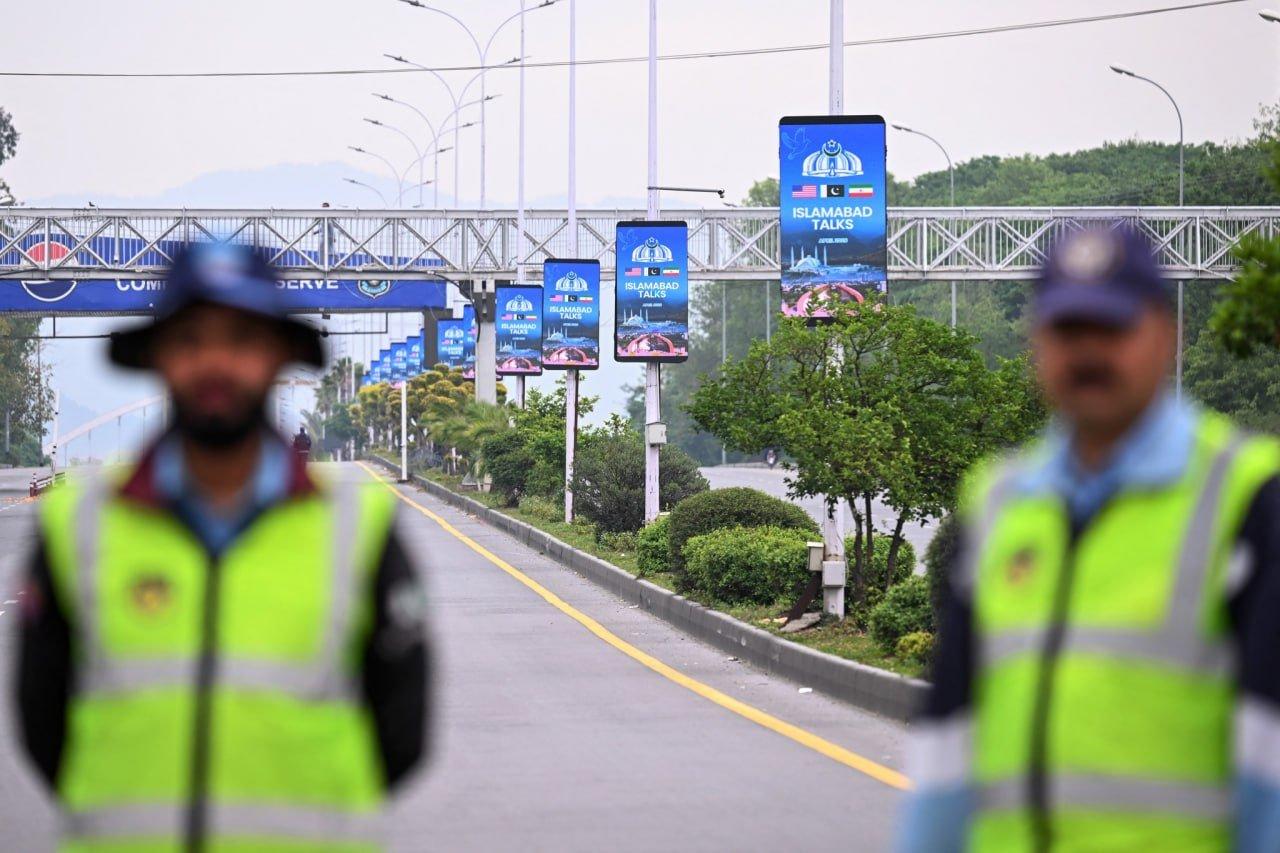
US And Iran Hold Ceasefire Talks In Islamabad Led By Vance And Ghalibaf
Key Takeaways
- US and Iranian delegations begin talks in Islamabad, led by Vance and Ghalibaf.
- Iran demands Lebanon ceasefire preconditions before talks; U.S. warns Tehran not to 'play'.
- Islamabad hosts high-stakes, mediated US-Iran talks, with Pakistan facilitating direct discussions.
Islamabad Peace Talks
Senior US and Iranian officials convened in Islamabad on April 11 for negotiations aimed at ending the six-week war.
The US delegation was led by Vice President JD Vance, accompanied by Steve Witkoff and Jared Kushner.
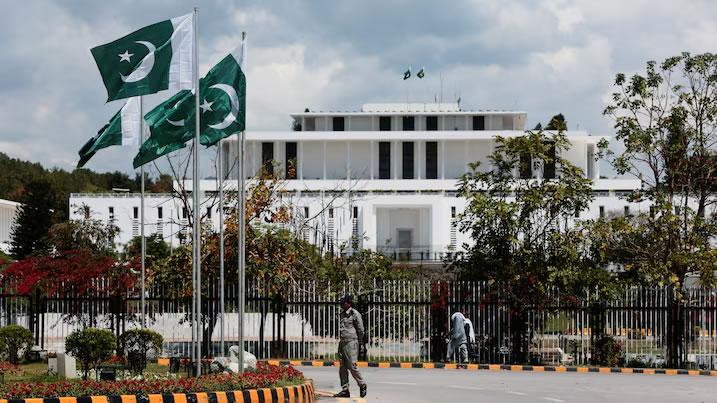
Iran’s delegation was led by Parliamentary Speaker Mohammad Bagher Ghalibaf and Foreign Minister Abbas Araghchi.
The talks were held in proximity format at the Serena Hotel, with Pakistani officials shuttling messages between separate rooms.
The ceasefire was holding but significant gaps remained on core issues including Lebanon, sanctions, and the Strait of Hormuz.
Vance warned: If they’re going to try to play us, then they’re going to find the negotiating team is not that receptive.
Core Issues and Divergences
Iran insisted that formal negotiations could only begin after Washington provided commitments on a ceasefire in Lebanon and lifting of sanctions.
Iran demanded any broader truce must include an end to hostilities in Lebanon, where Israeli operations had killed nearly 2,000 people.

The US and Israel maintained that the Lebanon campaign fell outside the scope of the current ceasefire.
A senior Iranian source told Reuters the US had agreed to release frozen assets, but a senior White House official denied the claims.
The Strait of Hormuz remained a critical sticking point between the two sides.
Pakistan's Mediation Role
Pakistan played a central role in brokering the ceasefire and hosting the talks.
Prime Minister Shehbaz Sharif led diplomatic outreach to more than 25 world leaders in 48 hours.
Islamabad implemented unprecedented security measures, sealing off the Serena Hotel.
The talks marked Pakistan's most significant diplomatic engagement since 1979.
The proximity format reflected deep mistrust between the parties.
Skepticism and Stakes
Despite cautious optimism, skepticism prevailed on both sides.
Trump acknowledged reopening the Strait of Hormuz would likely not be easy.

Iran emerged weakened but still retained the capability to strike neighboring countries.
The war had triggered one of the largest shocks to global oil supplies.
The talks represented the highest-level direct engagement between Washington and Tehran since 1979.
More on Iran
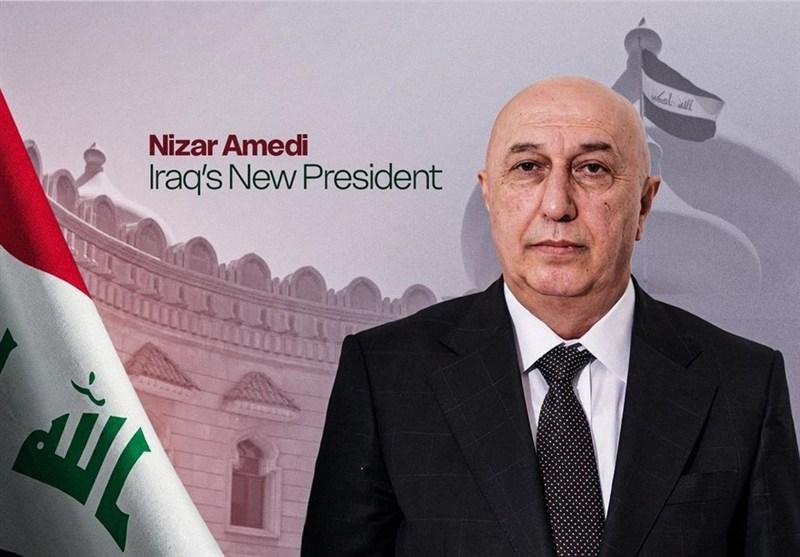
Iraq Parliament Elects Kurdish Politician Nizar Amedi As President After Deadlock
13 sources compared

U.S. and Iran Begin Historic Direct Talks in Islamabad Amid Fragile Ceasefire
13 sources compared
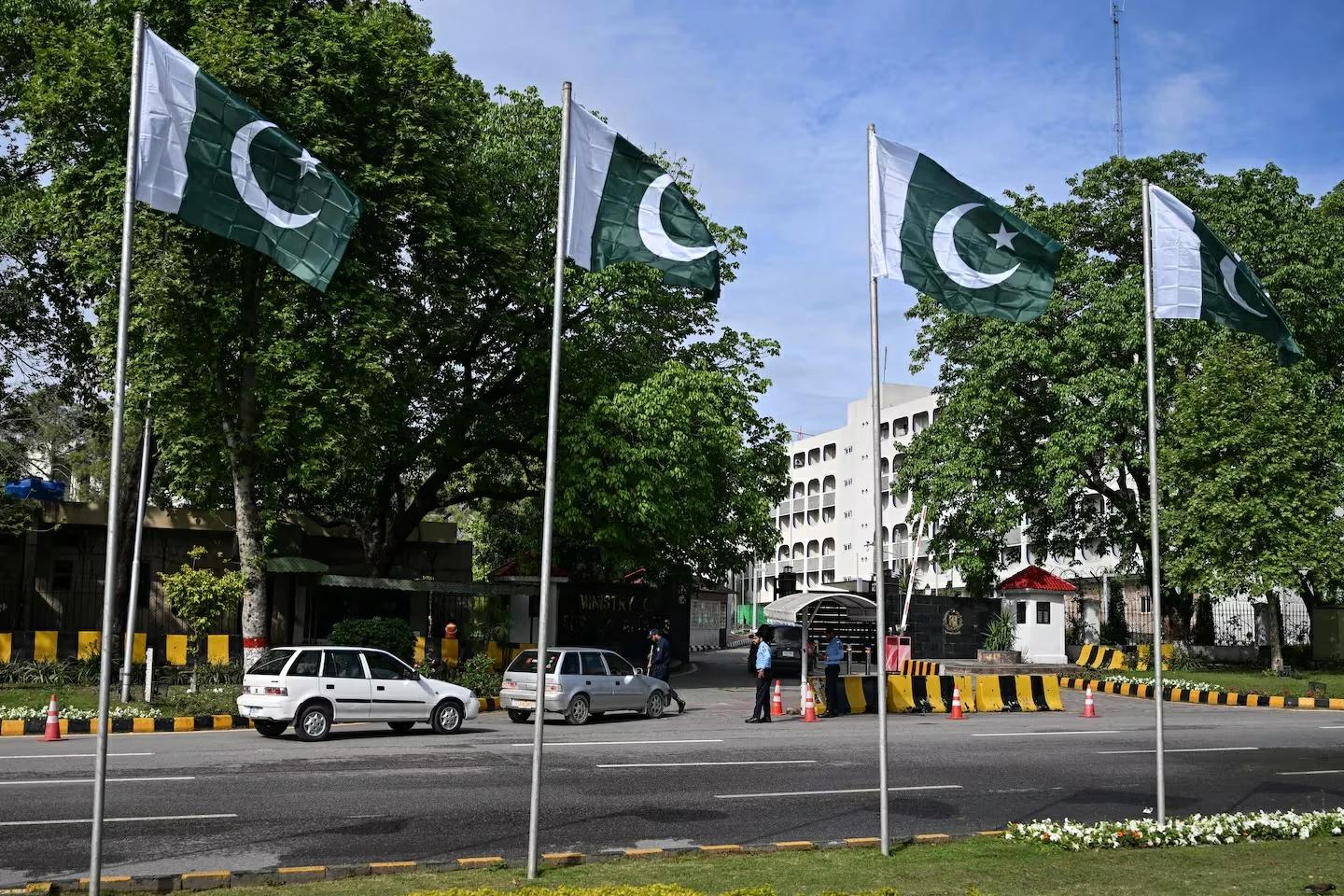
US And Iran Hold Historic Direct Peace Talks In Pakistan Mediated By Islamabad
15 sources compared

US Navy Destroyers Begin Mine-Clearing in Strait of Hormuz After Iran Offensive
36 sources compared