
US And Iran Hold Distrustful Peace Talks In Islamabad Brokered By Pakistan
Key Takeaways
- Islamabad hosts U.S.–Iran peace talks with Pakistani mediation; Vance and Qalibaf attend.
- Talks combine direct and indirect tracks under Pakistani mediation to advance a ceasefire.
- Asset release dispute arises as Iran seeks unfreezing; US denies any agreement.
Islamabad Peace Talks
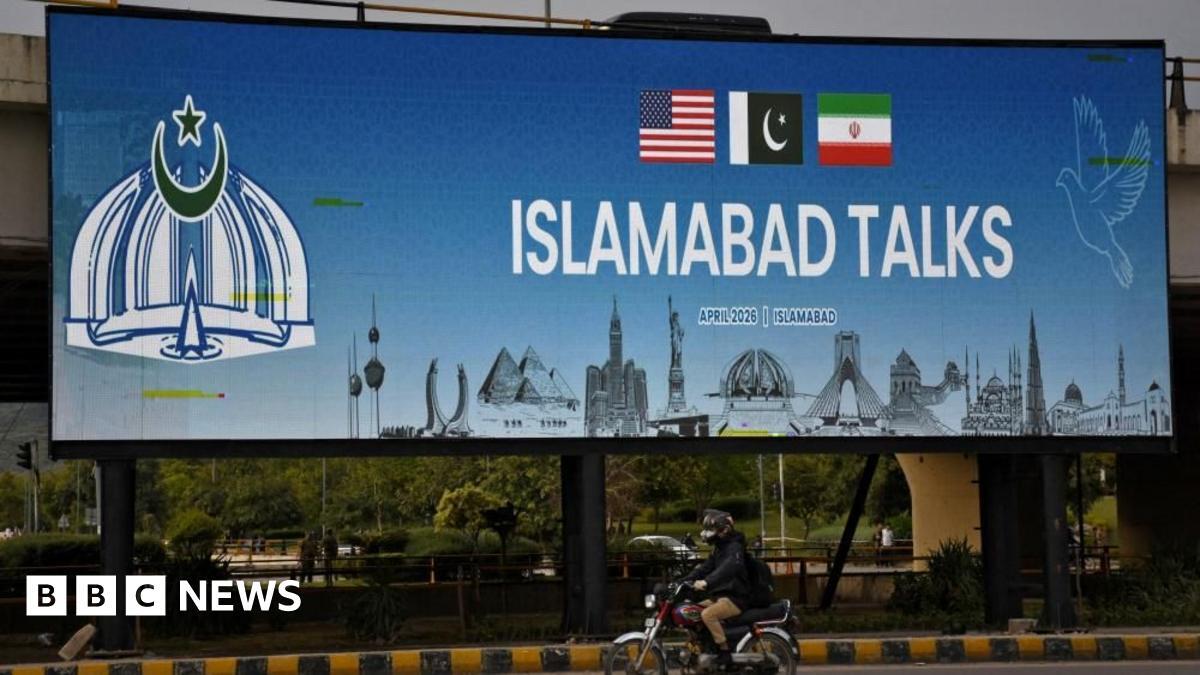
The United States and Iran convened peace talks in Islamabad on April 11, 2026, marking the first direct negotiations since hostilities erupted five weeks earlier.
Iran's delegation was led by Parliament Speaker Mohammad Bagher Ghalibaf and Foreign Minister Abbas Araghchi.
The U.S. team was headed by Vice President JD Vance, special envoy Steve Witkoff, and Jared Kushner.
Araghchi told German Foreign Minister Wadephul that Iran was entering negotiations with complete distrust due to Washington's repeated breaches of commitment.
Ghalibaf told Iran's state media, We have goodwill, but we do not trust.
The U.S. administration's 15-point proposal reportedly included demands for Iran to commit to no nuclear weapons and reopen the Strait of Hormuz.
Divergent Death Toll Reports
The war had killed at least 3,000 people in Iran, 1,953 in Lebanon, 23 in Israel, and more than a dozen in Gulf Arab states.
The death toll from the conflict diverged sharply across sources.

Al Jazeera counted at least 41 dead in the Rahman Textile factory fire, while Reuters placed the figure at 28 and the Dhaka Tribune at 33.
The Guardian reported that the factory had been audited by Hessen's compliance team in March, yet safety violations persisted.
The discrepancy in casualty figures underscored the challenges of verifying information amid the fog of war.
Hezbollah and Lebanon Conflict
Fighting between Israel and Iran-backed Hezbollah threatened to derail peace efforts.
Iran's parliament speaker said negotiations with the US were contingent on a ceasefire in Lebanon.
Israeli attacks continued in southern Lebanon, killing at least three people.
Hezbollah's military chief warned that the group would not disarm.
A Hezbollah MP criticized the Lebanese government for holding talks with Israel.
Economic Impact and Strait of Hormuz
Few vessels carrying oil were traveling through the Strait of Hormuz despite the ceasefire.
Iran's chokehold on global oil supply had driven major consumer price hikes in the US.
The Guardian reported that the US had agreed to release Iranian frozen assets held in Qatar.
The BBC later reported that an American official denied any assets had been released.
The reopening of the Strait of Hormuz was expected to be a key issue in the talks.
Pakistan's Role and Regional Dynamics
Pakistan emerged as a central mediator, with Prime Minister Shehbaz Sharif describing the talks as a make-or-break moment.
The talks took place under heavy security, with Islamabad largely shut down.

Saudi Arabia sent a military force to its King Abdulaziz Air Base as part of a defense deal with Pakistan.
The mutual defense pact was signed in September and defines any attack on either nation as an attack on both.
The talks represented a rare moment of diplomatic engagement amid a conflict that had drawn in multiple regional powers.
More on Iran
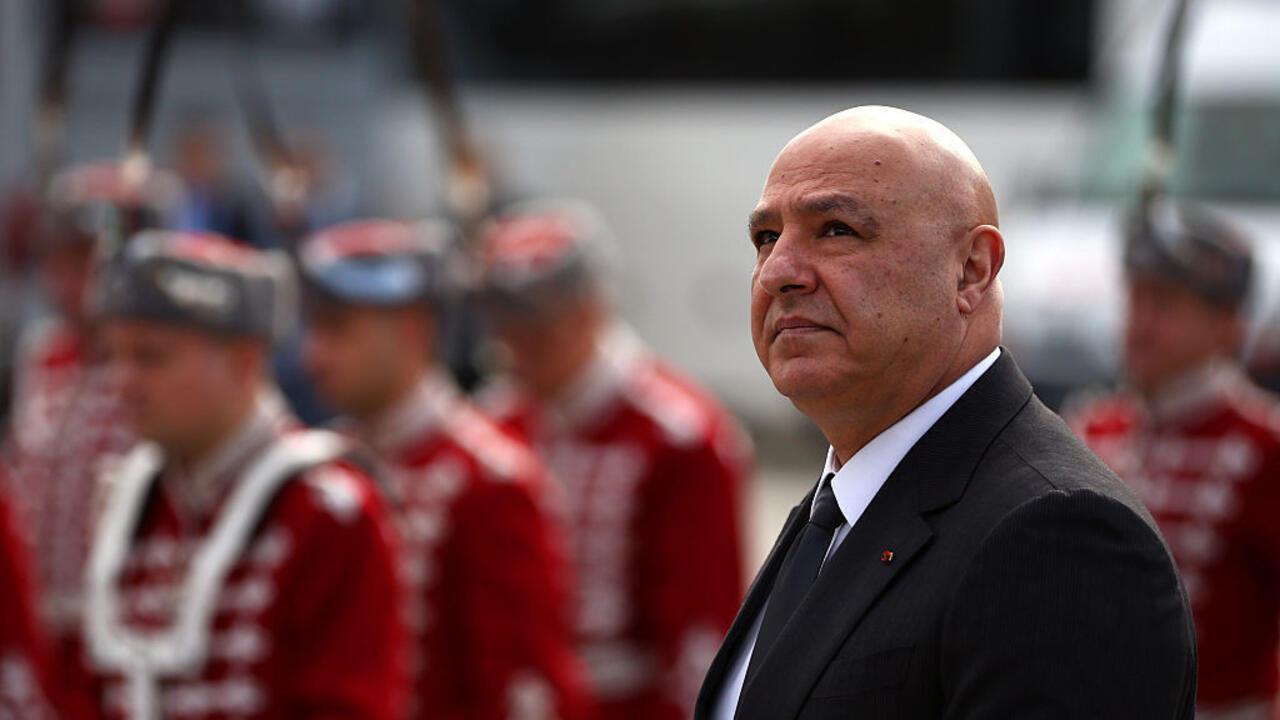
Lebanon And Israel Begin Direct Peace Talks In Washington Amid Hezbollah Opposition
10 sources compared

US and Iran Begin Peace Talks in Islamabad Amid Ceasefire and Strait of Hormuz Dispute
39 sources compared
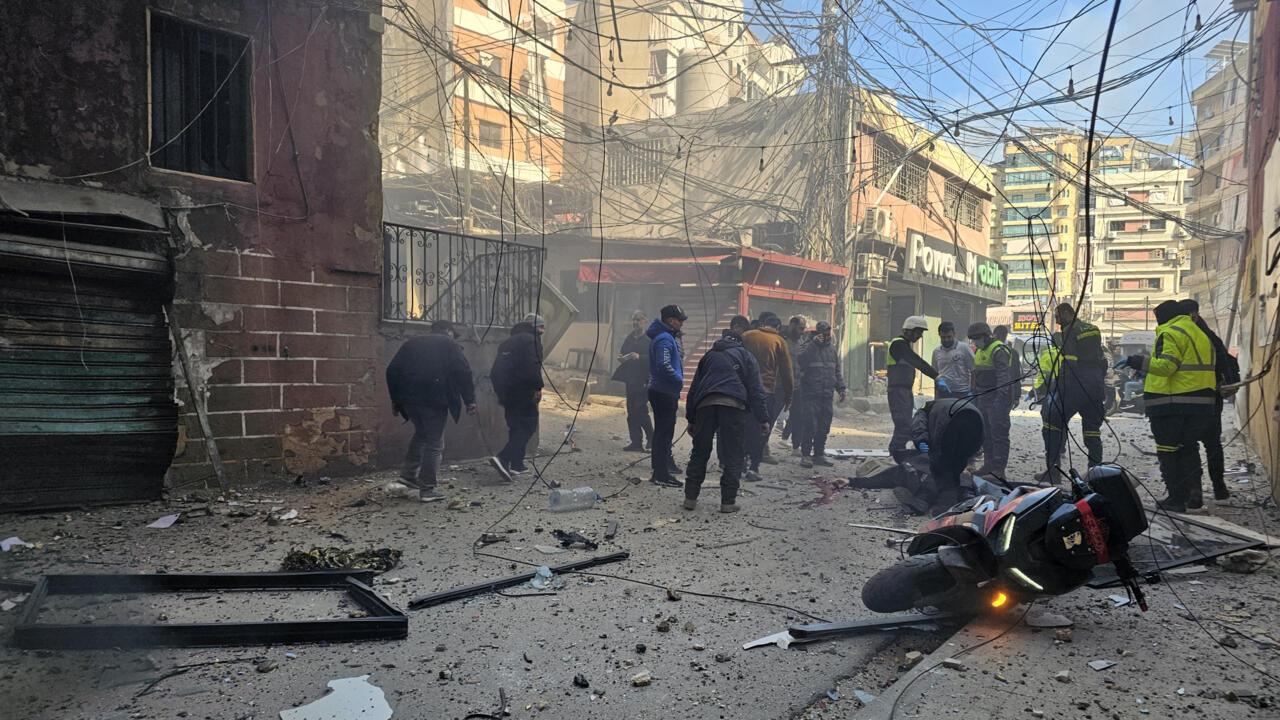
US-Israeli War Kills Over 1,200 Civilians in Iran Including 165 Schoolgirls
10 sources compared

US Denies Agreeing to Release $6 Billion Iranian Assets Ahead of Islamabad Talks
17 sources compared