
US Denies Agreeing to Release $6 Billion Iranian Assets Ahead of Islamabad Talks
Key Takeaways
- Reports say U.S. agreed to unfreeze about $6 billion Iranian assets before Islamabad talks.
- U.S. officials publicly denied any agreement to release assets.
- Iranian preconditions demand asset release and Lebanon ceasefire before talks.
Asset Release Confusion
Conflicting claims emerged over whether Washington had agreed to release frozen Iranian assets.
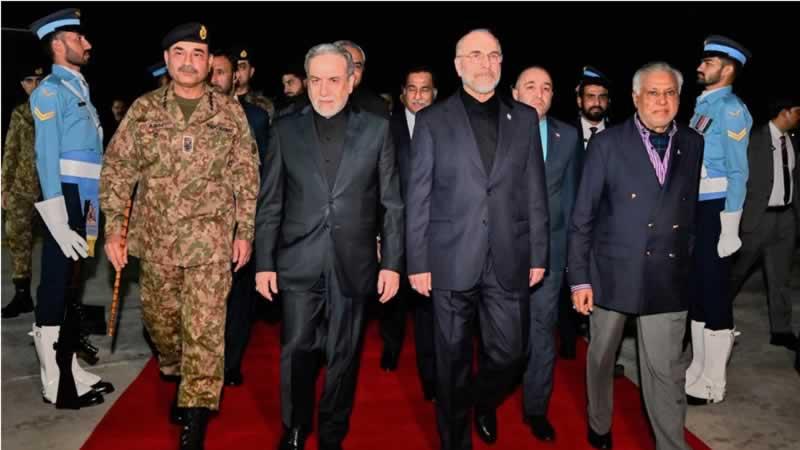
“Saturday, April 11, 2026, Islamabad has become the scene of the most significant diplomatic confrontation between Tehran and Washington in decades, where the senior delegations of the two countries, after six weeks of fighting, have gathered to discuss the future of a ceasefire and the possibility of reaching a broader political framework”
Iranian sources told Reuters the U.S. had agreed to release $6 billion in frozen funds held in Qatar and other banks.
A senior U.S. official later denied that Washington had agreed to release any frozen assets.
The $6 billion originated from Iranian oil sales to South Korea and had been blocked since 2018.
The asset release was directly linked to ensuring safe passage through the Strait of Hormuz.
Iran's Preconditions
Iran's Parliament Speaker set clear preconditions for talks.
Negotiations could not begin unless a ceasefire in Lebanon was implemented and frozen assets were released.

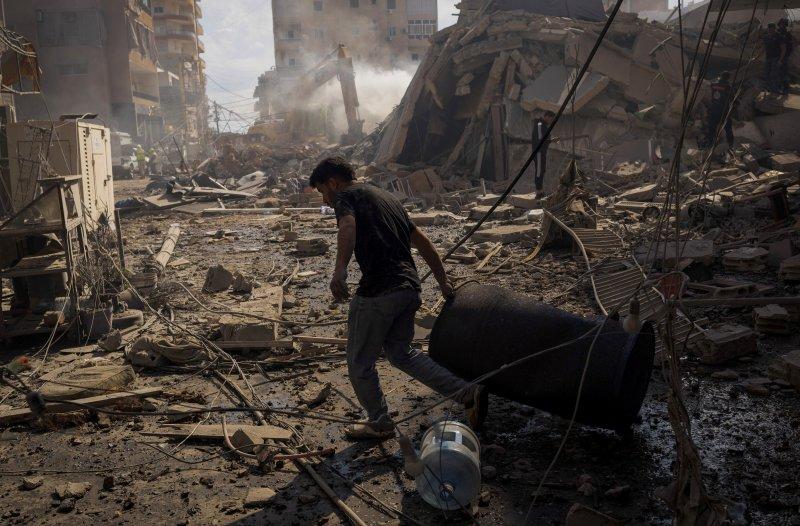
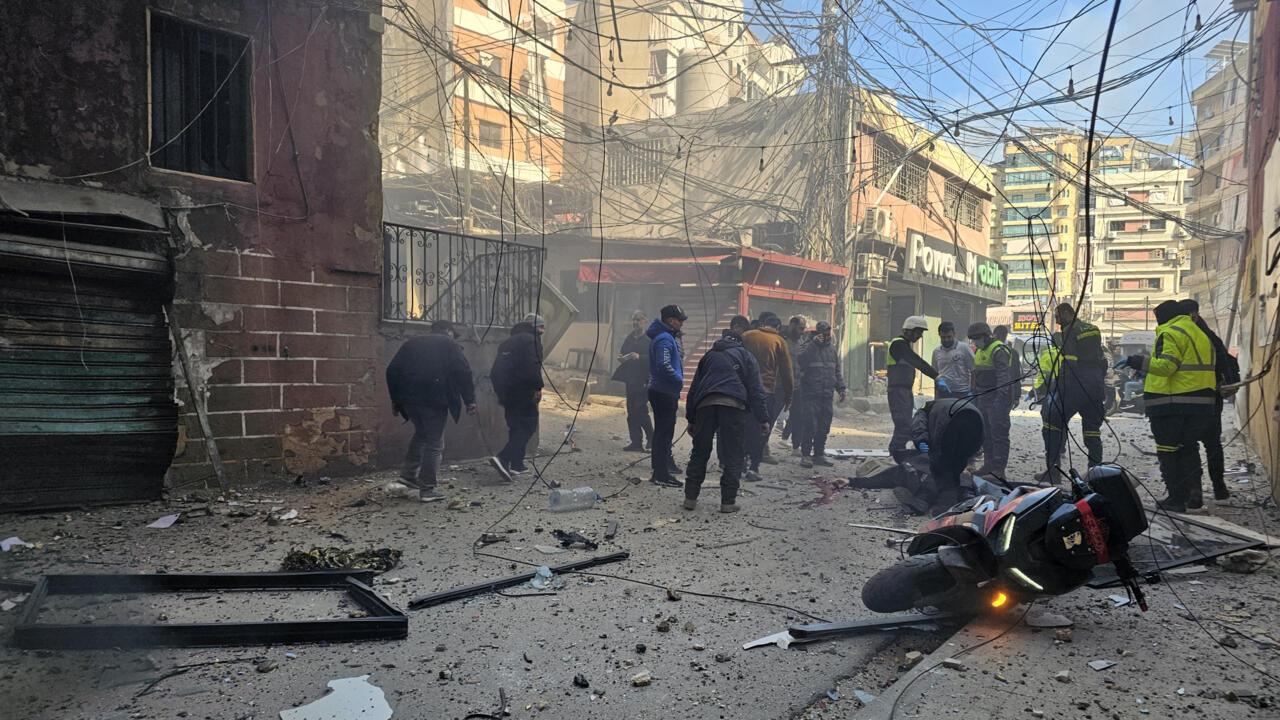
The situation in Lebanon remained a major sticking point.
Tehran's delegation planned to assess the U.S. position before deciding how to proceed.
Trump posted that the only reason the Iranians were alive was to negotiate a deal.
Strait of Hormuz
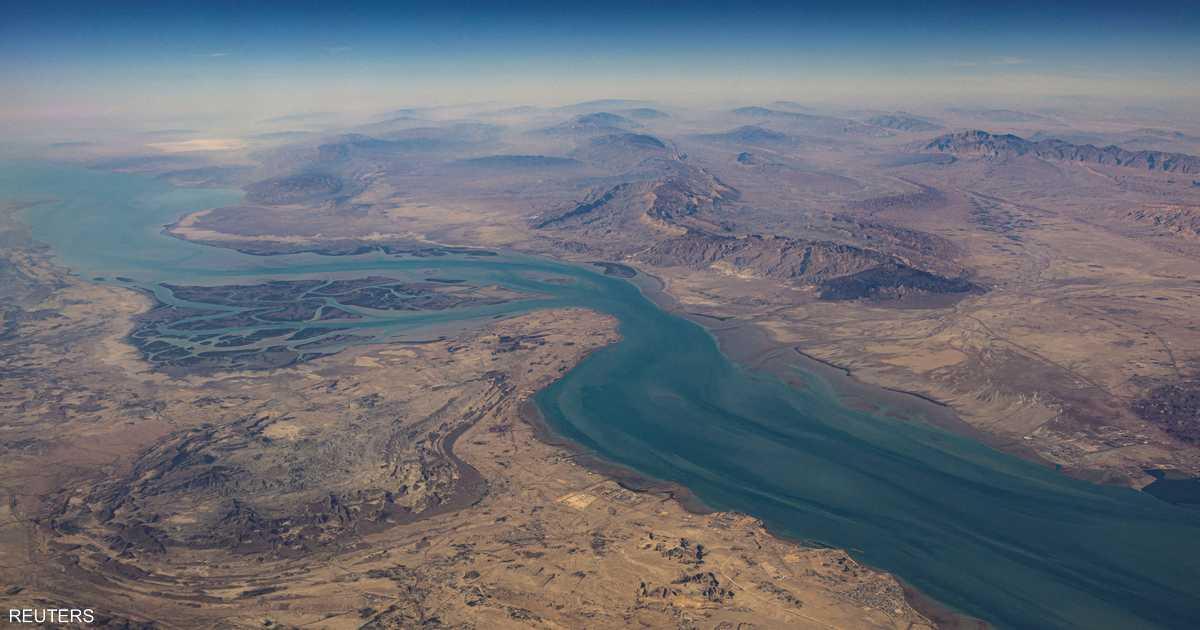
The Strait of Hormuz emerged as a central issue in the negotiations.
“Sections Shows Events An automated hi-tech surveillance network being built on the Greek-Turkish border aiming at detecting migrants early and deterring them from crossing, with river and land patrols using searchlights and long-range acoustic devices”
Iran has effectively controlled the waterway since the war began.
Trump insisted the strait must be reopened as part of any deal.
The nearly complete halt of maritime traffic has roiled global markets.
The unfreezing of Iranian assets was directly linked to ensuring safe passage.
Pakistan's Mediation
Pakistan played a key role as the host and mediator of the talks.
The U.S. delegation was led by Vice President JD Vance.
The Iranian delegation was led by Parliamentary Speaker Ghalibaf.
Islamabad was under an unprecedented lockdown ahead of the talks.
A senior Pakistani official said they had instructions to close a deal or walk away.
More on Iran

US And Iran Begin Islamabad Talks With Pakistani PM To Seek Permanent Ceasefire
31 sources compared
US-Israeli War Kills Over 1,200 Civilians in Iran Including 165 Schoolgirls
10 sources compared

US And Iran Hold Distrustful Peace Talks In Islamabad Brokered By Pakistan
32 sources compared
Iran Loses Track Of Mines In Strait Of Hormuz, Blocking Reopening
46 sources compared