
US and Iran Begin Peace Talks in Islamabad Amid Ceasefire and Strait of Hormuz Dispute
Key Takeaways
- U.S. Vice President JD Vance leads delegation in Islamabad for peace talks.
- Iranian delegation led by Speaker Ghalibaf; Tehran seeks Lebanon inclusion and ceasefire interpretation agreement.
- U.S. demands Iran abandon enriched uranium stockpile; Iran asserts right to its nuclear program.
Islamabad Peace Talks
High-stakes peace talks between the United States and Iran began in Islamabad on March 9, 2026.
Vice President JD Vance led the American delegation, accompanied by Special Envoy Steve Witkoff and Jared Kushner.

Iran was represented by Parliament Speaker Mohammad Bagher Qalibaf and Foreign Minister Abbas Araghchi.
The talks came after Trump announced a two-week ceasefire, conditioned on Iran reopening the Strait of Hormuz.
The Pakistani foreign ministry said it commends the U.S. commitment to achieving lasting regional and global peace and stability.
Iran insisted on preconditions including the release of blocked financial assets and a ceasefire in Lebanon.
Vance warned Iran not to try to play us, while Qalibaf said, Our experience of negotiations with the Americans has always been met with failure and breach of promise.
Unresolved Core Issues
The core issues that drove the war remained unresolved despite the ceasefire.
The Strait of Hormuz remained effectively closed, with only a handful of ships transiting since the agreement.

Trump accused Iran of doing a very poor job of reopening the strait.
More than 400 kg of enriched uranium on Iranian soil remained unaccounted for.
The ceasefire was a pause, not peace.
Israel's continuing campaign in Lebanon further complicated the situation.
Divergent Death Toll Reports
The human cost of the conflict was staggering and contested.
The U.S.-based rights group HRANA put the total number of people killed at almost 3,400.
More than 1,950 people were killed in Lebanon, and 23 people died in Israel.
Thirteen U.S. service members were killed, and two more died of noncombat causes.
The killing of former Iranian Foreign Minister Kamal Kharrazi was condemned by Supreme Leader Khamenei.
Jim Cramer warned that the market had become incredibly overconfident.
Pakistan's Pivotal Role
Pakistan found itself at the center of international diplomacy.
The Islamabad convention centre was transformed into a media hub.

The city was on high alert with multiple rings of armed forces and roadblocks.
The Pakistani foreign ministry reaffirmed its commitment to facilitating a lasting solution.
Saudi finance minister Mohammed al-Jadaan traveled to Pakistan in a show of economic support.
The path to a lasting agreement remained uncertain.
More on Iran
US And Iran Begin Direct Peace Talks In Islamabad Led By Vance And Ghalibaf
21 sources compared
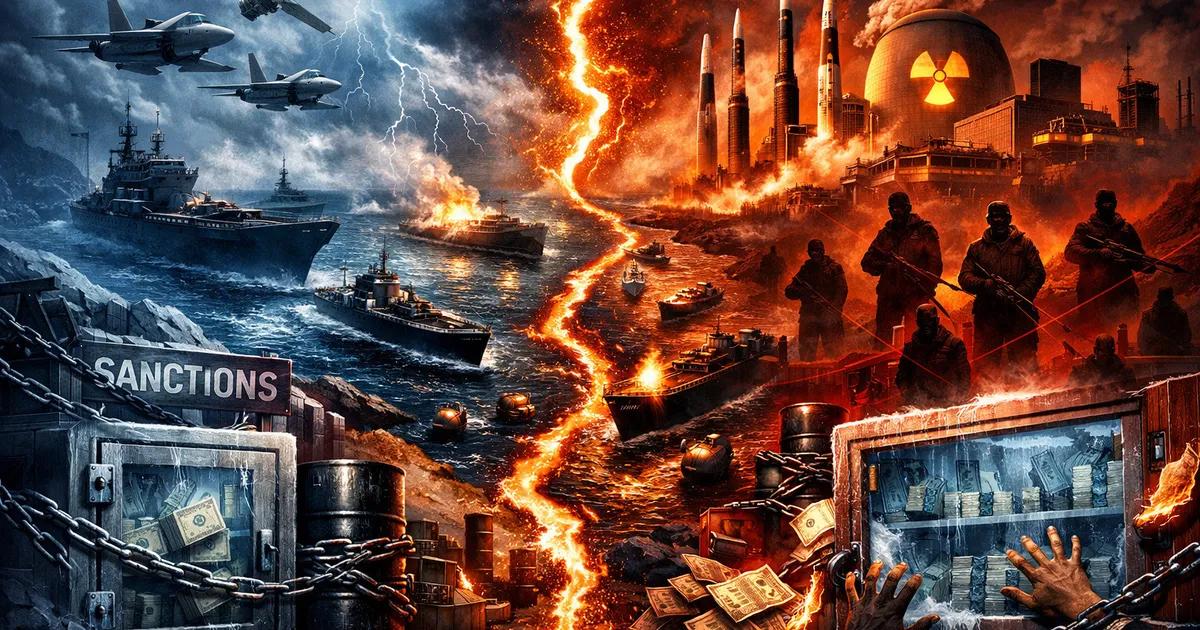
US And Iran Begin Direct Peace Talks In Islamabad Mediated By Pakistan
15 sources compared
Iran Controls Strait of Hormuz, Charges Tolls Despite U.S. Demands to Stop
25 sources compared
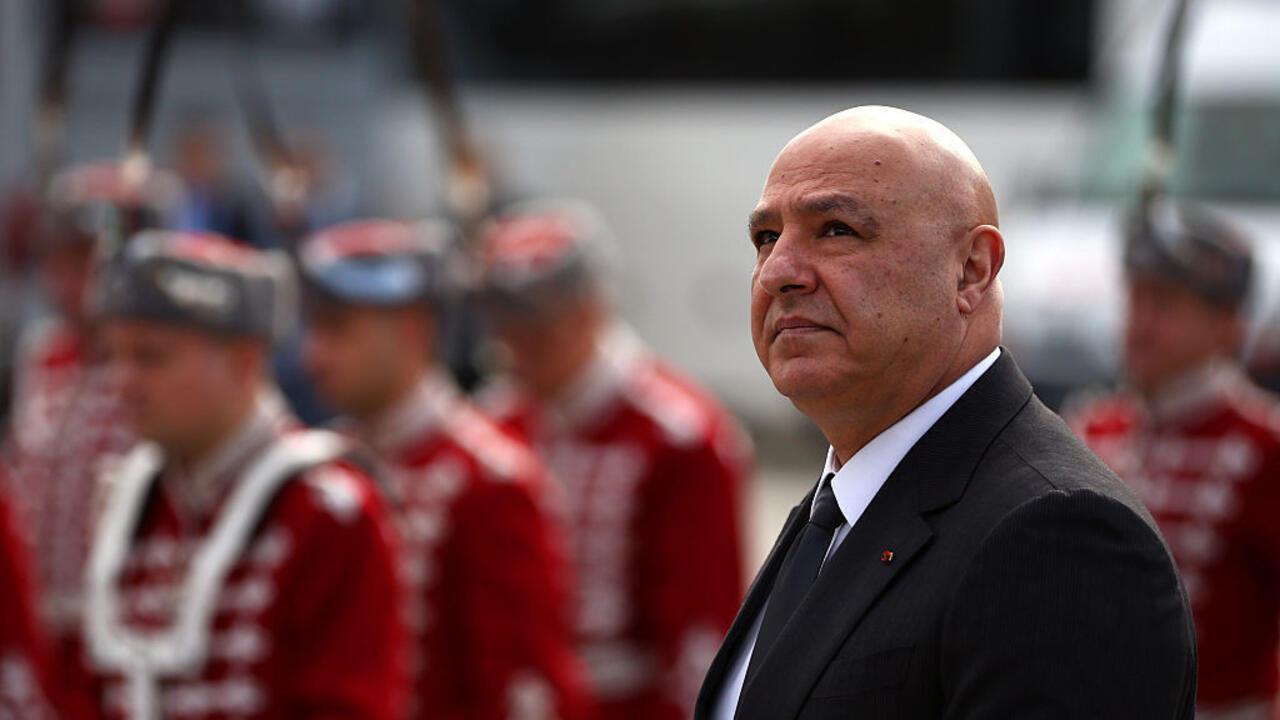
Lebanon And Israel Begin Direct Peace Talks In Washington Amid Hezbollah Opposition
10 sources compared