US And Iran Begin High-Level Talks In Pakistan Amid Tehran's Red Lines On Hormuz
Key Takeaways
- U.S. and Iran begin direct talks in Islamabad with Pakistan mediating trilateral discussions.
- Iran presents red lines on Hormuz and assets; the U.S. says no agreements yet.
- Talks aim to end six-week war and solidify a ceasefire.
Islamabad Talks Begin
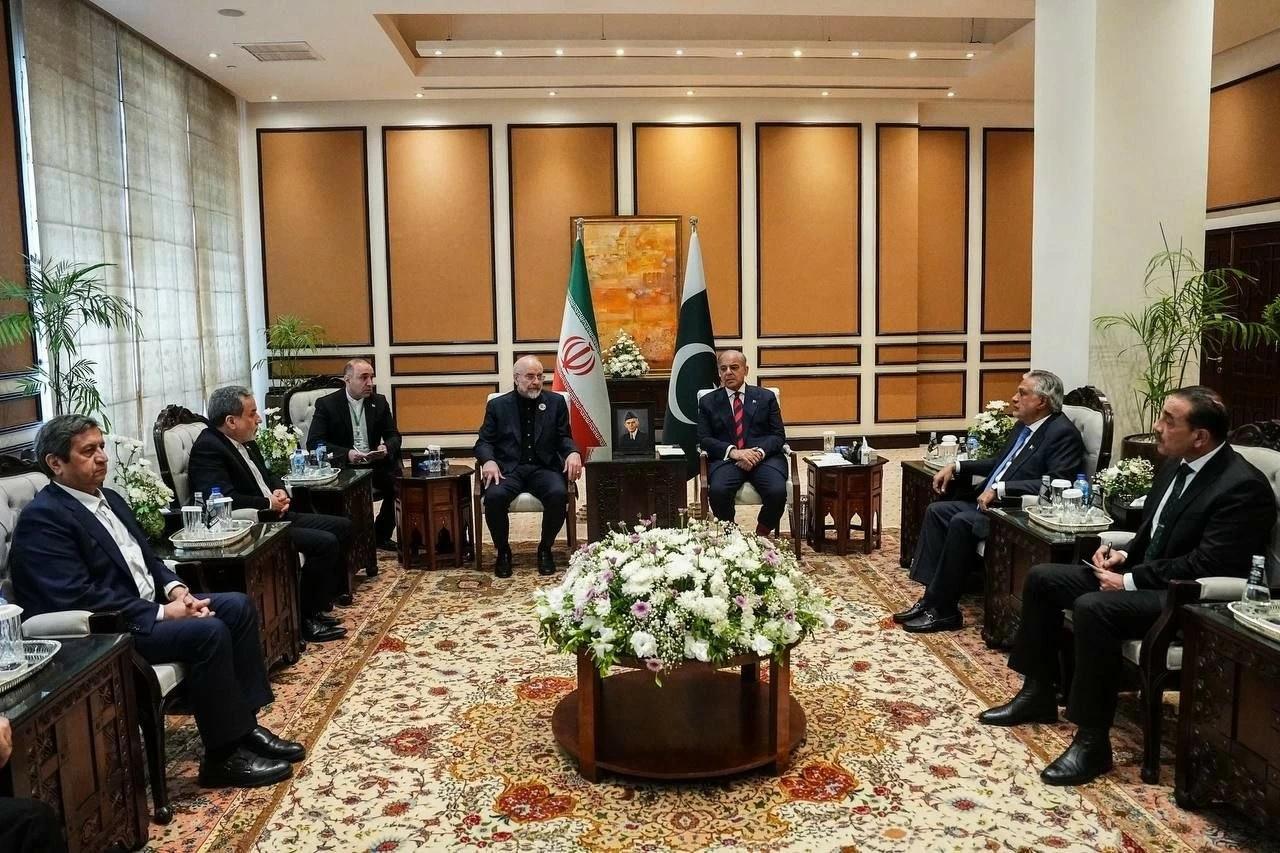
The United States and Iran began face-to-face negotiations in Islamabad on April 11, marking the highest-level talks in half a century.
Pakistan's Prime Minister Shehbaz Sharif mediated between the two sides.

U.S. Vice President JD Vance led the American delegation, accompanied by Steve Witkoff and Jared Kushner.
The Iranian delegation was led by Parliamentary Speaker Ghalibaf and Foreign Minister Araghchi.
Iran laid out its red lines including demands on the Strait of Hormuz, war reparations, frozen assets, and a regional ceasefire.
A senior Iranian source told Reuters that Washington had agreed to release frozen funds, while a U.S. official denied it.
Frozen Assets Dispute
The question of Iran's frozen assets emerged as a major point of contention.
The funds, estimated at about $6 billion, had been frozen since 2018.

They were transferred to Qatari bank accounts as part of a prisoner swap in September 2023.
The Biden administration refroze the funds after the October 7, 2023, Hamas attack on Israel.
A senior Iranian source told Reuters the U.S. had agreed to release the funds, while a U.S. official denied the claim.
The dispute played out publicly even as the two sides prepared to negotiate in person.
Strait of Hormuz and Regional Ceasefire
Iran demanded acknowledgment of its authority over the Strait of Hormuz.
The strait is a chokepoint for about 20 percent of global oil shipments.
Iran also demanded a full ceasefire between Israel and Hezbollah in Lebanon.
Both Israel and the U.S. have denied that Lebanon was part of the ceasefire.
Israel was not represented at the talks.
The closure of the strait has pushed energy prices sharply higher.
Trump's Contradictory Messaging
Trump engaged in contradictory messaging about the Strait of Hormuz.
He accused Iran of using the strait for extortion.

He said it would be opened with or without them.
He also claimed empty oil carrying ships were heading to the United States.
The strait remained effectively closed as of Saturday.
Only 12 ships have passed through since the ceasefire was announced.
More on Iran
China and Pakistan Launch Five-Point Plan to End Iran War and Restore Gulf Stability
24 sources compared

US and Iran Begin Direct Peace Talks in Pakistan to End Conflict
37 sources compared
US And Iran Begin Direct Peace Talks In Islamabad Mediated By Pakistan
15 sources compared
Lebanon And Israel Begin Direct Peace Talks In Washington Amid Hezbollah Opposition
10 sources compared