USA13 April, 20262 min read
US And Iran Begin Direct Peace Talks In Islamabad Mediated By Pakistan
This article is an automated aggregation of coverage from news outlets. Our editorials offer in-depth analysis curated by the NewsCord team.
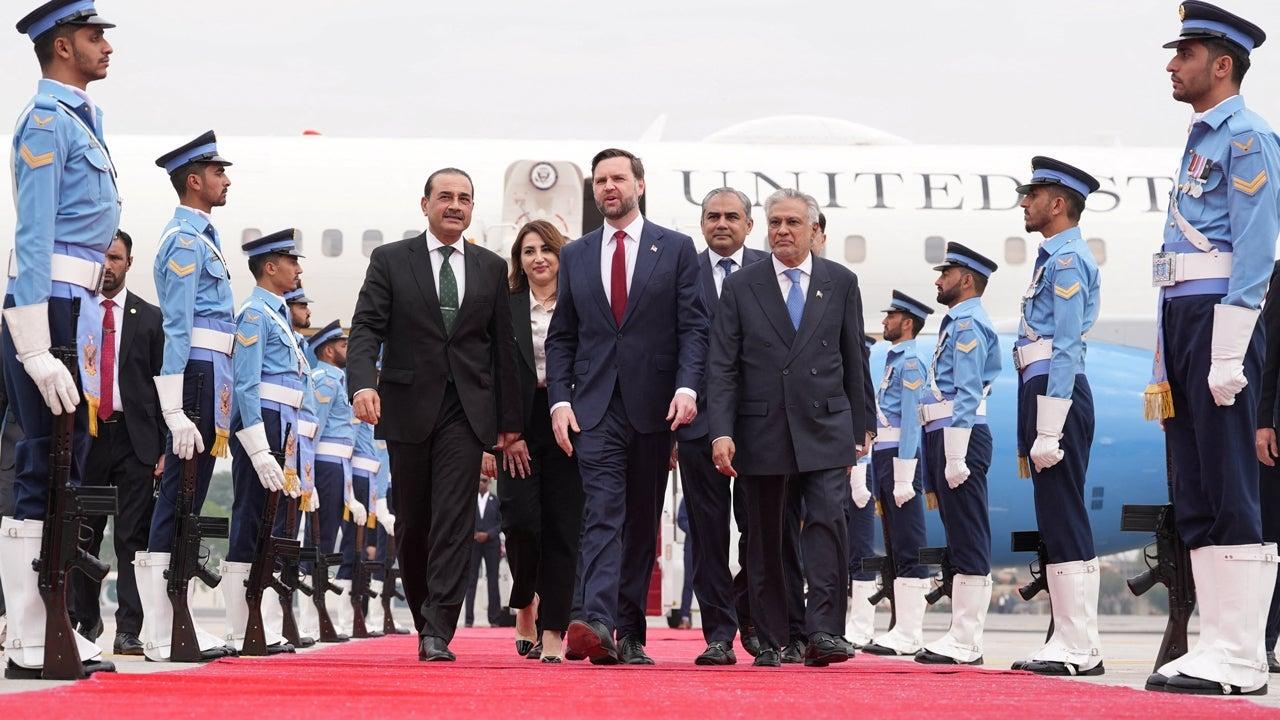
U.S.-Iran peace talks begin in Islamabad, mediated by Pakistan. US VP JD Vance leads delegation; Iranian negotiators arrive in Islamabad.
Historic Talks Begin
Direct negotiations between the U.S. and Iran with Pakistani mediation started in Islamabad on April 11. The U.S. delegation was headed by Vice President JD Vance and included White House envoy Steve Witkoff and Trump's son-in-law Jared Kushner. The Iranian delegation was led by speaker of Parliament Mohammad Bagher Ghalibaf and included foreign minister Abbas Araghchi.
Pakistani Prime Minister Shehbaz Sharif and foreign minister Ishaq Dar also attended. The talks came after a two-week ceasefire brokered by Pakistan, but the chances for success appeared low given the deep mistrust.

Ceasefire Fragility
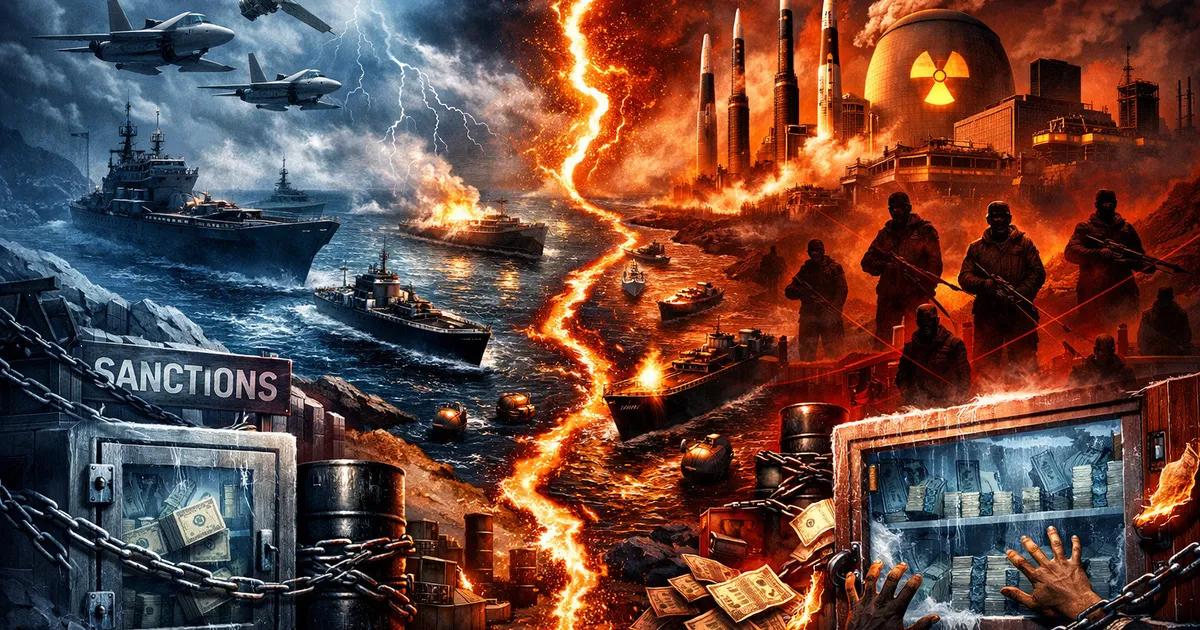
The two-week ceasefire brokered by Pakistan came under strain as Israel continued strikes in Lebanon. Trump announced the U.S. was starting the process of clearing out the Strait of Hormuz as a favor to Countries all over the World. Iran insisted on a truce in Lebanon and the unfreezing of its assets for negotiations to proceed.
Ghalibaf warned that talks could not begin unless Israel halted attacks on Lebanon and the U.S. released Tehran's frozen assets. The White House denied reports that the U.S. had agreed to release Iranian funds.

Pakistan's Mediating Role
Pakistan emerged as the key mediator after weeks of frantic diplomacy. The two-week ceasefire was brokered by Pakistan and named Sharif and Pakistani army chief Asim Munir in the announcements. The talks put Pakistan at the center of the biggest story in the world.
No other country enjoyed the same kind of trust from both parties. Pakistan faces challenges, including Israel's continued strikes in Lebanon and the Strait of Hormuz blockade.
Uncertain Outcomes
The format of the talks was initially unclear. Iranian negotiators met with Pakistani officials but not yet with U.S. delegates. Iran presented four non-negotiable conditions including full sovereignty over the Strait of Hormuz.
The Israeli military campaign in Lebanon threatened to derail the truce. The stakes were high as the five-week war brought chaos across the Middle East.