Full story
Tolls Scrapped, Blockade Stays
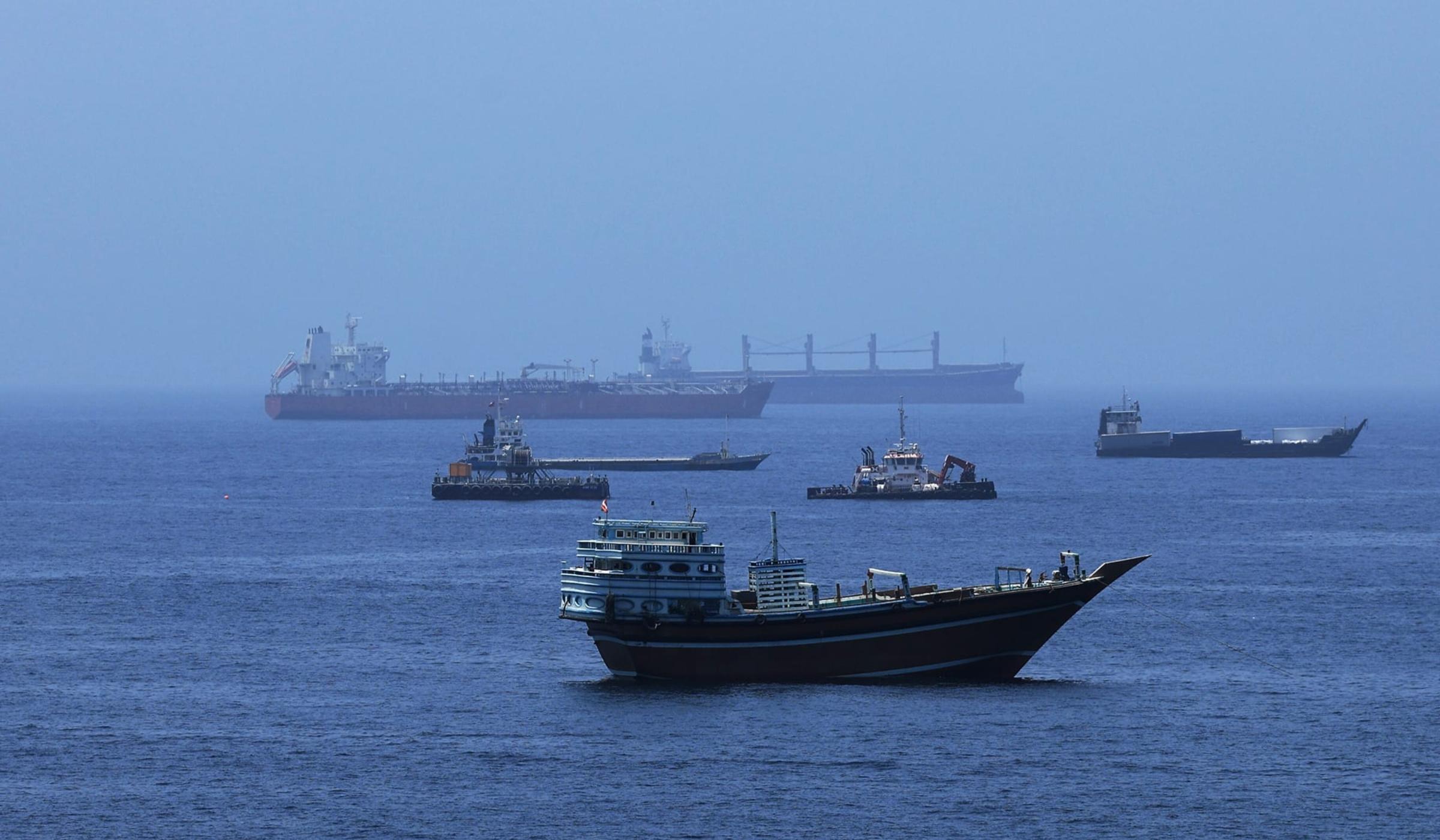
President Donald Trump reversed course on Tuesday, saying he would replace a proposed 20% fee on cargo ships transiting the Strait of Hormuz with “Trade and Investment Deals” from Gulf states, after declaring the fee plan on Monday.
“Trump backtracks on plan to toll Hormuz ships US President Donald Trump on Tuesday abruptly scrapped a planned 20 percent levy on ships transiting the Strait of Hormuz amid clashes with Iran, saying he would instead seek compensation from Gulf allies via trade deals”
Trump said the Strait of Hormuz would be open to “ALL Ship traffic except for Iran,” while the U.S. would implement a “FULL Blockade, but only on Ships coming to and from Iranian ports, or carrying anything have to do with Iranian cargo.”

Foreign Policy reported that Trump’s shift came after “Pressure from Gulf leaders prompted Trump to abandon proposed tolls,” and it said the blockade on Iran officially went back into effect at 4 p.m. EDT.
The same Foreign Policy account said the U.S. Central Command announced on Tuesday that U.S. forces had begun another round of strikes on Iran, prioritizing sites that would degrade Tehran’s ability to attack ships in the strait, and it described the strikes as the fourth consecutive day of U.S. strikes against the country.
Allies, Democrats Push Back
Trump’s about-face triggered criticism from U.S. lawmakers and allies, with Sen. John Kennedy (R-La.) arguing, “I think [the strait is] international waters, and there shouldn’t be a toll put on ships by anyone.”
Politico reported that Trump said his mind was changed when he spoke to leaders from the Gulf states, who “wanted the waterway controlled a different way,” and it quoted Trump telling reporters in the Oval Office, “They said we’d love to do it a different way.”
Democrats also warned that taking on a “guardian” role would raise risks, and Politico quoted Sen. Tim Kaine (D-Va.) saying, “If we’re suddenly going to be the guardian of the strait, that's not going to just be accepted lying down.”
Politico further said U.K. Foreign Secretary Yvette Cooper argued that “no country can do what Iran has been seeking to do,” while stating, “We are opposed to tolls in the strait of Hormuz.”
Energy Flow and War Risks
Even as Trump dropped the 20% fee, the sources tied the policy shift to ongoing U.S.-Iran conflict and the status of the waterway, with Foreign Policy saying crude prices rose roughly 2 percent on Tuesday and that the number of vessels transiting the strait continued to fall, plummeting to just 10 ships on Monday in the smallest daily total in more than a month.
Foreign Policy also said Trump reiterated on Tuesday his commitment to reimposing the U.S. military blockade on Iran, which it said officially went back into effect at 4 p.m. EDT, and it quoted Trump writing on Truth Social that “Oil is flowing like never before.”
The National reported that Trump’s new approach kept the “FULL Blockade” targeting Iranian ports and Iranian cargo, while it described the earlier fee proposal as having drawn condemnation and said the UN’s shipping agency opposed placing fees on passage through waterways.
In parallel, the same Foreign Policy account described escalation beyond the strait, saying Iran fired ballistic missiles at a U.S. base in Jordan and launched aerial attacks on Bahrain and Kuwait, and it added that no casualties were reported in either incident.