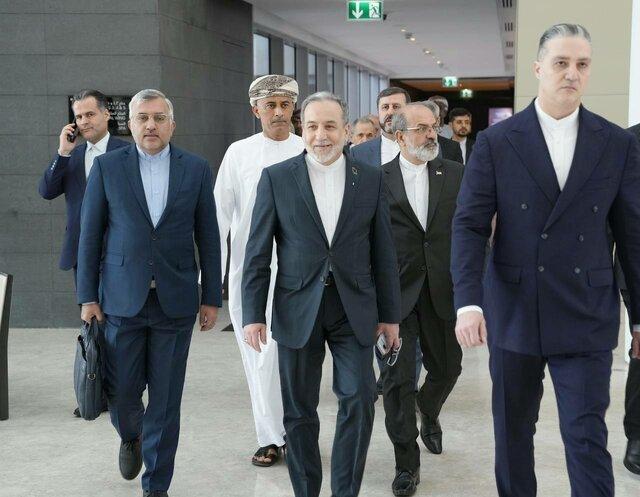
US and Iran Hold Indirect Nuclear Talks in Oman Amid Rising Regional Tensions
Key Takeaways
- Iran and the United States hold indirect nuclear talks in Oman.
- The talks come amid high regional tensions between Tehran and Washington.
- Oman was chosen as venue after Tehran's push, moving talks from Turkey.
Talks Move to Oman
The United States and Iran agreed to hold indirect nuclear talks in Oman on February 6.
“Iranian Foreign Minister Abbas Araghchi has confirmed that nuclear talks between his country and the United States will take place this week in Oman”
The venue shift came at Iran's insistence, with Oman serving as an honest broker.

Iranian Foreign Minister Abbas Araghchi confirmed the talks would take place at 10 a.m. in Muscat.
The U.S. was represented by special envoy Steve Witkoff and Jared Kushner.
The talks occurred amid a massive U.S. military buildup in the region.
Trump said the U.S. had very good talks and more were planned for early next week.
Agenda Dispute
The biggest divergence remained the scope of the talks.
Iran insisted it was only willing to discuss its nuclear program.

The U.S. sought to include ballistic missiles and Iran's regional proxies.
Secretary of State Rubio said talks must include certain things, including ballistic missiles.
Iran's position was that its defensive capabilities would not be on the negotiating table.
The Gulf Arab states' positions were more complex.
Military Backdrop
The talks took place against a backdrop of escalating military tensions.
The U.S. had shot down an Iranian drone that approached the Abraham Lincoln.
Iranian fast boats had tried to stop a U.S.-flagged ship in the Strait of Hormuz.
Trump had threatened military action against Iran during its bloody crackdown on protesters.
The presence of U.S. Navy Adm. Brad Cooper at the talks underscored the military dimension.
Israel and Regional Stakes
Netanyahu told U.S. envoy Witkoff that Iran cannot be trusted.
The Israeli government advocated a tough stance toward Iran.
Gulf Arab nations feared an attack could spark a regional war.
The U.S. believed Iran was in a weak negotiating position.
Washington's strategic goals included blocking Iran's path to nuclear weapons.
Achieving these goals was extremely difficult.
More on Iran

Trump Announces US-Iran Talks Could Resume in Pakistan Within Two Days
11 sources compared
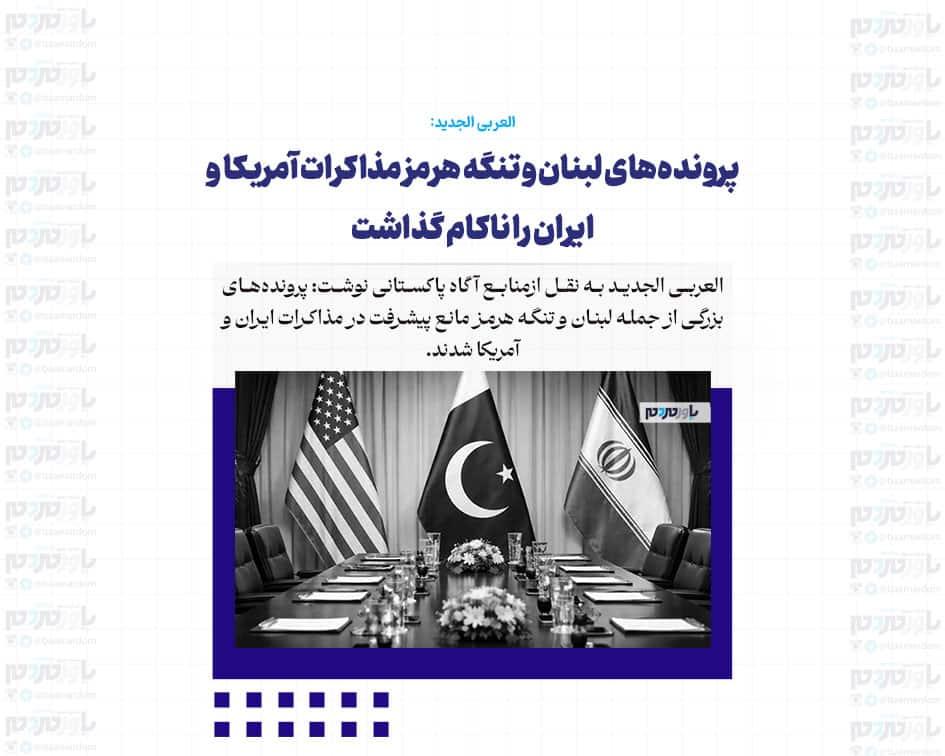
US-Iran Talks Fail in Islamabad Over Nuclear Program and Strait of Hormuz
14 sources compared
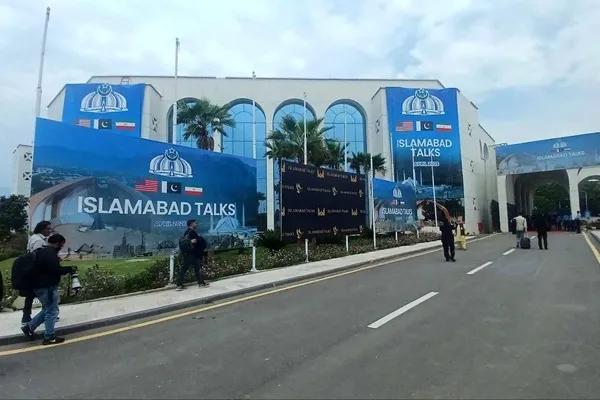
US Enforces Naval Blockade on Iranian Ports After Islamabad Talks Collapse
17 sources compared
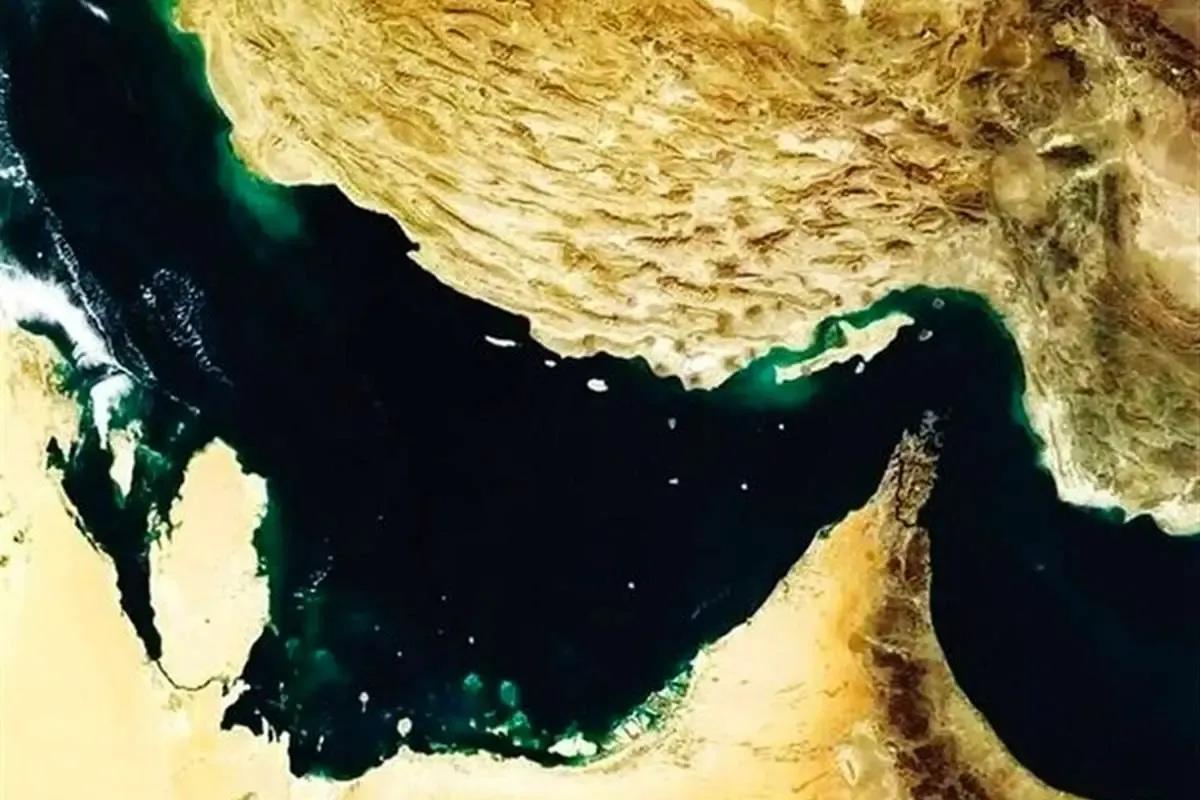
Trump Orders US Naval Blockade of Iranian Ports in Strait of Hormuz
17 sources compared