US and Iran Hold Indirect Talks To Extend Two-Week Ceasefire Beyond 22 April
Key Takeaways
- Mediators moved closer to extending the two-week US-Iran ceasefire beyond 22 April.
- Pakistan army chief Asim Munir arrived in Tehran to advance Iran-U.S. talks.
- White House denies formal extension request; ongoing talks productive, with next round likely in Islamabad.
Ceasefire talks hinge on Lebanon
The US and Iran are in indirect talks aimed at extending a two-week ceasefire beyond its expiry on 22 April, as Pakistan’s army chief arrived in Tehran to continue mediation efforts.
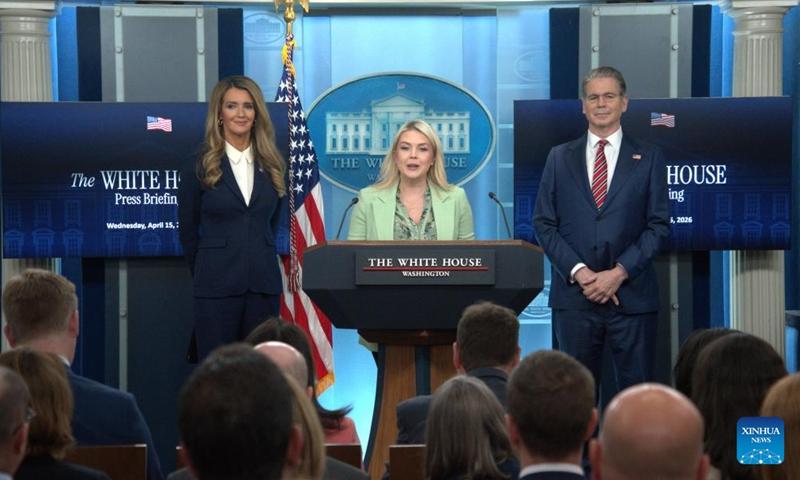
The Guardian reports that Karoline Leavitt, the White House press secretary, denied on Wednesday that the US had “formally” requested to extend the two-week ceasefire, while saying Washington remained “very much engaged in these negotiations”.
Leavitt also said a second round of negotiations would “very likely” be held in Islamabad, and she added that the White House feels “good about the prospects of a deal” only days after negotiations to reach a peace agreement failed.
The same day, Field Marshal Asim Munir led a Pakistani delegation to Tehran to convey a message from Washington and to arrange a second round of US-Iranian ceasefire negotiations, with the interior minister, Mohsin Naqvi, also included.
The Guardian says reports from the region suggested both sides were in favour of prolonging the truce, while Donald Trump suggested an extension may not even be necessary to secure a peace agreement.
In parallel, Reuters reported that two Lebanese officials expected a ceasefire with Israel could be announced “soon,” though they did not provide further detail.
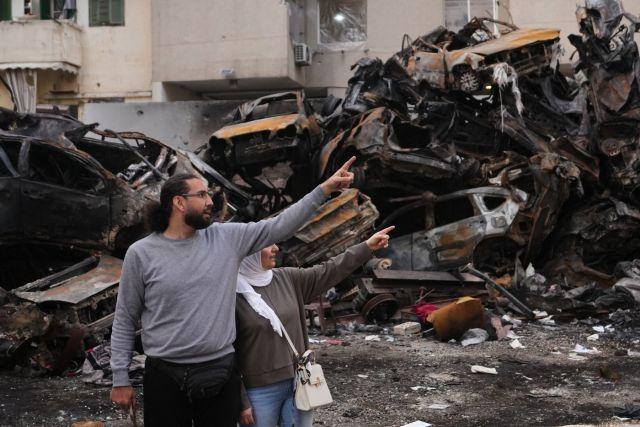
The Lebanon thread is also tied to Israel’s stated military posture: Benjamin Netanyahu said the IDF was continuing to “strike Hezbollah” in Bint Jbeil and that he had given instructions to broaden a “security zone” by continuing operations in Lebanon.
Background and escalation timeline
The diplomatic push to extend the US-Iran ceasefire is unfolding alongside continued military activity in Lebanon and the wider region, with multiple outlets tying the negotiations to the conflict’s escalation.
The Guardian says Iran demanded an end to Israeli attacks on Lebanon as a precondition for another round of negotiations with the US, linking the Lebanon battlefield directly to the US-Iran talks.
It also describes Israel’s framing of its Lebanon diplomacy, saying Israel has portrayed its talks with the Lebanese government in Washington as a “historic opportunity” to end Hezbollah’s grip on Lebanon.
Netanyahu’s video statement on Wednesday evening, as quoted by the Guardian, indicated he had not committed to a ceasefire, saying the IDF was continuing to “strike Hezbollah” in Bint Jbeil and that he had given instructions to broaden a “security zone” by continuing operations in Lebanon.
The Guardian adds that Lt Gen Eyal Zamir visited Israeli troops on Wednesday and vowed to eliminate Hezbollah’s presence south of the Litani River, about 30km (19 miles) from the Israeli border, ordering that “all of the area of south Lebanon up to the Litani line be turned into a Hezbollah terrorist kill zone”.
Anadolu Ajansı says Netanyahu said Israel agreed to a temporary 10-day ceasefire in Lebanon to allow time for Donald Trump’s initiative to forge a peace deal between Israel and Lebanon.
Georgia Public Broadcasting places the broader escalation in time, saying the latest chapter escalated after Israel and the U.S. launched attacks on Iran on Feb. 28, after which Hezbollah began firing rockets into northern Israel and Israel responded with airstrikes and an invasion of southern Lebanon.
Voices: US, Israel, Lebanon, mediators
The negotiations and Lebanon ceasefire messaging are accompanied by sharply different statements from US officials, Israeli leaders, and Lebanese political figures, while mediators press for continuity.
The Guardian quotes White House press secretary Karoline Leavitt saying, “Nothing is official until you hear it from us here at the White House,” and it also records her insistence that Washington remained “very much engaged in these negotiations”.
The Guardian also reports that Pakistan’s Field Marshal Asim Munir led a delegation to Tehran and that the interior minister, Mohsin Naqvi, was part of the group, reflecting Pakistan’s role in shuttle diplomacy.
On the Israeli side, Netanyahu told a video audience that “Our forces continue to strike Hezbollah, we are about to conquer Bint Jbeil,” and he added that “In parallel, yesterday I gave instructions to the IDF to continue thickening the security zone.”
The Guardian further quotes Lt Gen Eyal Zamir as saying, “We are advancing and striking Hezbollah and they are retreating,” and it frames his order as turning south Lebanon up to the Litani line into a “Hezbollah terrorist kill zone”.
Anadolu Ajansı presents a different Israeli ceasefire framing, saying Netanyahu said Israel agreed to a temporary 10-day ceasefire in Lebanon, and it adds that Netanyahu said any agreement would need to include the dismantling of Iran-backed Hezbollah.
Georgia Public Broadcasting adds Lebanon’s reception, reporting that Lebanese Prime Minister Nawaf Salam “welcomed Trump's ceasefire announcement,” and it says Trump invited Netanyahu and Aoun to the White House for peace talks.
Coverage divergence on Lebanon truce details
Different outlets describe the Lebanon ceasefire and its relationship to the US-Iran track in ways that do not fully align, even when they reference the same leaders and time windows.
The Guardian reports that sources in Tehran said Iran demanded an end to Israeli attacks on Lebanon as a precondition for another round of negotiations with the US, while it simultaneously quotes Netanyahu saying the IDF was continuing to “strike Hezbollah” in Bint Jbeil and to broaden a “security zone.”
In contrast, Anadolu Ajansı says Netanyahu told viewers that Israel has agreed to a temporary 10-day ceasefire in Lebanon to allow time for Donald Trump’s initiative to forge a peace deal between Israel and Lebanon.
Georgia Public Broadcasting also presents a 10-day ceasefire, stating that Trump wrote on social media that Israel would “formally begin a 10 Day CEASEFIRE at 5 P.M. EST,” and it says Lebanese Prime Minister Nawaf Salam welcomed the announcement.
Global Banking & Finance Review, drawing on a Reuters account, specifies a 10-day ceasefire starting April 16, 2026, and says Israel and Lebanon will implement a 10-day ceasefire beginning 5 pm EST (2100 GMT) on Thursday, with the ceasefire period “may be extended by mutual agreement.”
It further states that “All parties recognize Lebanon's security forces as having exclusive responsibility for Lebanon's sovereignty and national defense,” and that “no other country or group has claim to be the guarantor of Lebanon's sovereignty.”
ynetnews adds that Iranian officials claimed a ceasefire in southern Lebanon could begin overnight for one week, while Israel denied that any decision had been made.
Stakes: blockade, escalation risk, next steps
The stakes for Lebanon and the wider region are being framed through the interaction of ceasefire diplomacy and the naval blockade of Iranian ports, with threats of retaliation and financial pressure shaping the negotiating environment.
The Guardian reports that the US military said a naval blockade of Iranian ports imposed after the end of the Islamabad talks had been “fully implemented” and that US warships had turned back nine ships, including the Chinese-owned tanker Rich Starry, which had tried to cross the strait of Hormuz on Tuesday.

It adds that the ship has been placed under sanctions by the US, and it quotes Maj Gen Ali Abdollahi, the leader of Iran’s joint military command, saying its military could halt trade in the Gulf region if the US did not lift its blockade on Iranian ports.
The Guardian also includes Scott Bessent, the US Treasury secretary, saying the US was ready to escalate financial pressure on Iran by preparing for the “financial equivalent” of the US bombing campaign, and it quotes him describing secondary sanctions.
Anadolu Ajansı reports Trump warning that US forces remain “locked and loaded” to resume strikes if Iran rejects a deal, and it says Trump told reporters the US is “very close” to making a deal with Iran as the two-week ceasefire nears expiration.
Georgia Public Broadcasting adds that the US enforces a naval blockade on ships entering and exiting Iranian ports in the Strait of Hormuz, while it describes Iran’s military threatening to block key shipping routes if the blockade continues, including threats to halt trade in the Persian Gulf, the Gulf of Oman and the Red Sea.
For Lebanon specifically, the stakes are tied to whether ceasefire arrangements can hold while Israel continues operations and while Iran conditions negotiations on an end to Israeli attacks on Lebanon, and Global Banking & Finance Review says the Lebanese government will prevent Hezbollah and other non-state armed groups from carrying out attacks during the ceasefire.
More on Lebanon
Joseph Aoun Tells Rodolphe Haykal Lebanon Army Role After U.S.-Israel Framework Agreement
10 sources compared
US Oversees Israel’s Phased Withdrawal From Lebanon Pilot Zone Ahead of Rome Talks
15 sources compared
Hezbollah Rejects Israel-Lebanon Framework Agreement After Washington Talks With Marco Rubio
11 sources compared

Sheikh Naim Qassem Says Lebanon Framework Agreement Transfers Sovereignty From Zionist Regime
33 sources compared