
U.S. and Iran Negotiate War-Ending Deal as IAEA Inspects Iran’s Nuclear Sites
Key Takeaways
- Memorandum of understanding outlines steps toward a permanent end to the Iran-US war.
- IAEA will inspect Iran's nuclear sites as agreed, but access timing remains disputed.
- US and Iran produce conflicting public accounts on inspections, delaying final deal.
Inspections, timing, and disputes
The U.S. and Iran are negotiating a war-ending deal as the International Atomic Energy Agency is expected to return to inspect Iran's nuclear sites, but IAEA chief said the timing was "not essential."
“Tehran, Iran – The memorandum of understanding (MoU) signed between Iran and the United States has survived its first few rocky days, producing a roadmap to a potential long-term resolution of the war launched by the US and Israel nearly four months ago”
In Washington, the Senate approved a House-passed resolution directing President Trump to "remove United States Armed Forces from hostilities against the Islamic Republic of Iran," as Israel's fight with Iranian-backed Hezbollah continues to complicate efforts toward a wider U.S.-Iran peace deal.

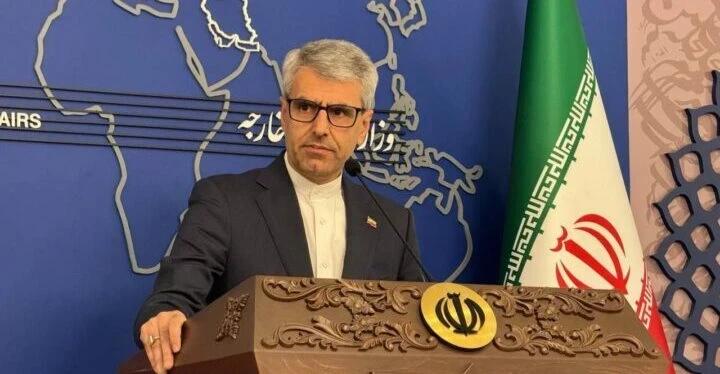
In Islamabad, NPR and NBC News described a Tuesday dispute over whether Tehran had agreed to allow U.N. inspectors to view bombed Iranian nuclear sites, with Iran's Foreign Ministry spokesperson Esmail Baghaei telling reporters in Tehran that U.N. inspectors were not scheduled to examine the nuclear sites bombed by the U.S. last year.
NPR and NBC News also reported that the shipping bottleneck through the Strait of Hormuz became part of the same negotiating atmosphere, with a plan underway to evacuate 11,000 stranded seafarers through the strait.
As the talks continued, CNN reported that Vance and Iranian state media issued conflicting statements over UN nuclear inspector access, while President Donald Trump said preventing Iran from obtaining a nuclear weapon outweighs the potential economic consequences of prolonged military action.
Hotline, Lebanon, and public pressure
While nuclear inspections remained contested, CNN reported that Iran agreed to set up a telephone hotline to "prevent and resolve any misunderstandings" with the US or other countries as ships cross the waterway.
CNN also said the U.S. will mediate another round of talks beginning Tuesday to end clashes in southern Lebanon between Iran-backed Hezbollah and Israel, with the U.S. seeking to move forward on a "comprehensive peace and security agreement."

Al Jazeera reported that Iranians were watching the MoU closely, with Ehsan in central Tehran saying, "We got from daily bombing to talking about buying corn from the US," as the roadmap produced by the memorandum survived its first few rocky days.
In the same Al Jazeera account, Iran's central bank Governor Abdolnaser Hemmati said in a video message on Tuesday that Tehran could buy corn and wheat and other agricultural products from the US if their price and quality are agreeable, while the text of the agreement does not oblige it to do so.
CNN further tied the negotiations to Lebanon’s fragility, noting that continued violations by Hezbollah and Israel have threatened to derail the U.S.-Iran negotiations, even as ship traffic through the Strait of Hormuz steadily increased.
Nuclear status quo and what’s at risk
Foreign Policy framed the nuclear status quo as the central technical problem, saying that without a joint understanding on the current status of Iran’s nuclear program, the memorandum’s promise to freeze Iran’s nuclear program in exchange for economic relief while negotiating a final deal is impossible to verify.
“• Nuclear monitoring: US Vice President JD Vance said Tehran agreed to admit nuclear monitors into the country after negotiations in Switzerland”
It reported that the IAEA’s last verified estimate, from June 13, 2025, put Iran’s stockpile at 440.9 kilograms of uranium enriched up to 60 percent, and said comprehensive IAEA access to all relevant sites would be required to establish a new baseline for the stockpile’s size, composition, and whereabouts.
Foreign Policy also described the dispute over access after the June 2025 U.S. and Israeli strikes, noting that Iran’s foreign ministry says Tehran has not agreed to anything new and rejects claims that inspectors will be permitted to access nuclear sites damaged by U.S. and Israeli strikes.
In a separate CBS News account of the political fight in Washington, Republican Sen. Bill Cassidy said he confronted President Trump over the war with Iran and described telling him that "our original objectives have not been achieved, and I want to know what's going on."
With the deal’s implementation steps crystallizing, NPR and NBC News reported that the U.S. and Iran agreed to a deal last week that calls for Tehran to dilute its stockpile of enriched uranium and waives U.S.-backed sanctions while giving each side 60 days to hammer out broader agreements, even as the inspections dispute clouds the path to a permanent end to the war.
More on Iran
Iran Rejects IAEA Access to Damaged Nuclear Facilities, Deputy FM Kazem Gharibabadi Says
13 sources compared
United States And Iran Continue Nuclear Technical Talks In Switzerland, Seek Final Deal
14 sources compared

Iran Rejects IAEA Inspections Until Final U.S.-Iran Deal After Israel Airstrike Kills Two
38 sources compared

Iran Central Bank Governor Abdolnaser Hemmati Rejects Trump Claim Funds Must Buy US Goods
12 sources compared