Iran28 May, 20263 min read
US And Iran Reach Tentative 60-Day Ceasefire Extension Framework Pending Trump Approval
This article is an automated aggregation of coverage from news outlets. Our editorials offer in-depth analysis curated by the NewsCord team.
A 60-day ceasefire extension framework includes launching negotiations on Iran's nuclear program. Final approval hinges on President Trump and Iranian authorities' sign-off.

BBC was read line by line by the Watchdog: 3.7. See the score →
Tentative ceasefire extension
The United States and Iran reached a tentative framework to extend their ceasefire for 60 days and launch negotiations on the future of Iran's nuclear programme, US officials told the BBC. The agreement is yet to be approved by President Donald Trump or the leadership in Iran, and the BBC reported conflicting reports from Tehran, with Iran's semi-official Tasnim news agency quoting a source close to talks saying it had not been finalised or confirmed. The BBC also said both Iran and the US have accused each other of violating the fragile ceasefire in the past few days, with Iran's Islamic Revolutionary Guard Corps (IRGC) saying it targeted a US base in the region on Thursday after fresh US strikes on southern Iran overnight.
In parallel, NewsNation said US and Iran negotiators reached an agreement on a 60-day memorandum of understanding to extend the ceasefire and launch negotiations on Iran’s nuclear program, while President Donald Trump has yet to give final approval and Iran has not confirmed its acceptance. Treasury Secretary Scott Bessent told the BBC, "It's always a mistake to get out ahead of the president," as he declined to confirm that an agreement had been reached.

Strikes test the talks
The BBC reported that Iran's IRGC said it targeted a US base in the region on Thursday after fresh US strikes on southern Iran overnight, while the NewsNation account said the U.S. military slammed Iran for violating a fragile ceasefire after Kuwait reported coming under attack.
NewsNation said U.S. Central Command called the Iranian attack on Kuwait an "egregious ceasefire violation," and it described Kuwait intercepting missiles launched by Iran late Wednesday night.
In the BBC's account of the negotiations, it said the White House called an unofficial draft 14-point memorandum of understanding "a complete fabrication," while the BBC noted that one-fifth of the world's liquefied natural gas and oil normally pass through the Strait of Hormuz.
Al Jazeera’s Q&A said Tehran accused Washington of violating the ceasefire, saying the American strikes constitute "a grave violation of the ceasefire," and it quoted the Iranian Foreign Ministry warning that Tehran "will not leave any evil unresponded".
The same Al Jazeera Q&A reported that CENTCOM said it carried out strikes described as having come from 'self-defense' in southern Iran on Monday, to protect American forces from threats by Iranian forces.
Conditions, control, and risk
The BBC said that if Trump approves the extension, US and Iranian teams would discuss technical issues about Iran's nuclear programme and its remaining stockpile of highly enriched uranium, with Trump suggesting the US could take it, or dilute it in place or in a third location. NewsNation reported that Bessent said nothing is on the table when it comes to Iran until the Strait of Hormuz is reopened and Iran turns over highly-enriched uranium, and it quoted Bessent saying, “The president will not make a bad deal for the U.S.” Al Jazeera’s Q&A said Iranian officials stressed Tehran has laid out clear conditions for any possible agreement, and it quoted Ali Akbar Velayati saying, "Our red line is clear this time," while adding that "papers and signatures alone are not a guarantee of any possible agreement."
“The president will not make a bad deal for the U.S.”
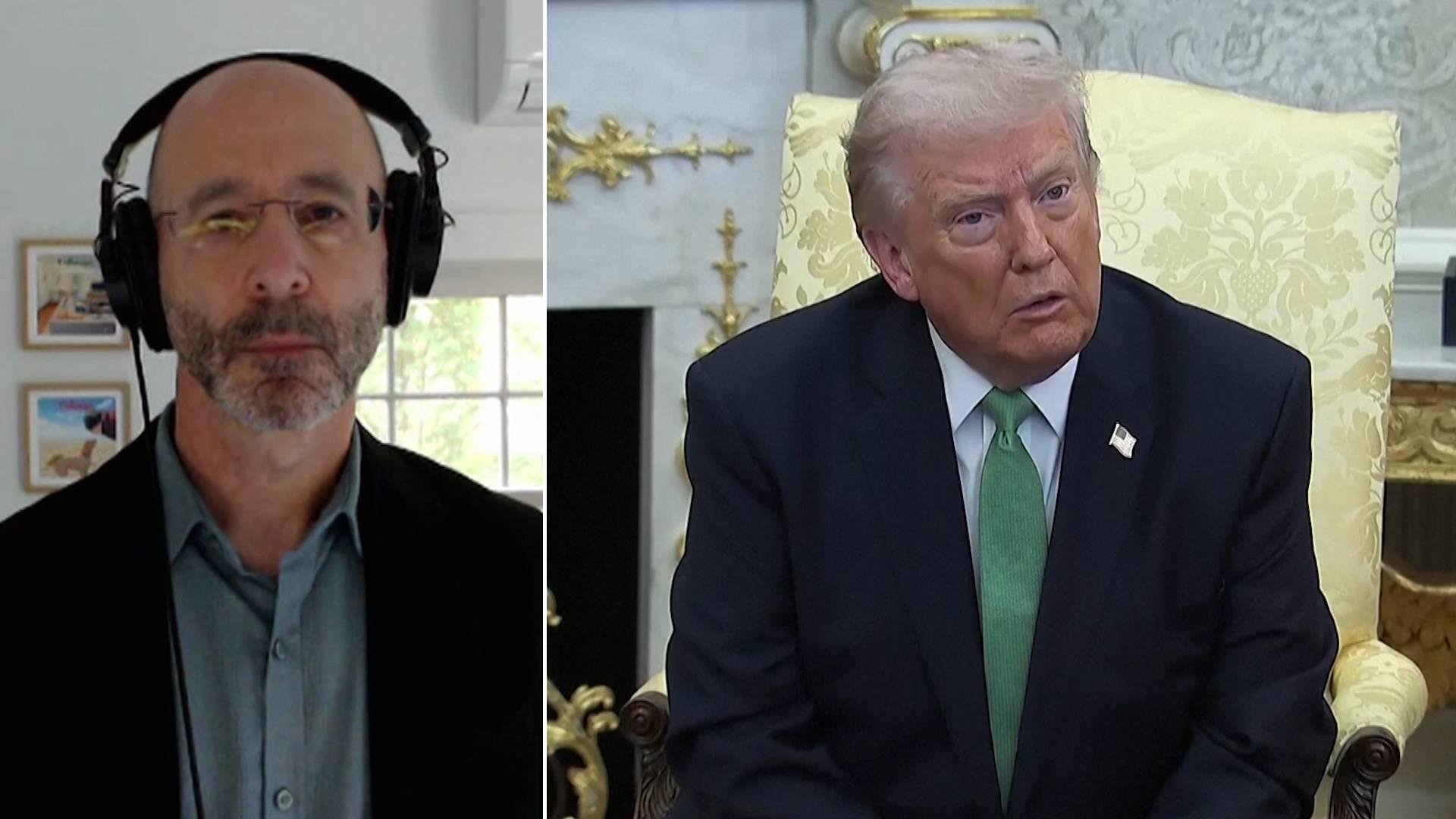
In the Democracy Now! transcript, Robert Malley said Trump’s decision to pull the U.S. out of the Iran nuclear deal in 2018 was "a completely reckless and absurd one," and he warned, "We should never have been in the position we’re in now." Democracy Now! also included President Donald Trump’s statement that the Strait of Hormuz is "international waters" and that "Nobody’s going to control it," while he told Oman it would face a bombing campaign if it entered into an agreement with Iran to share control.