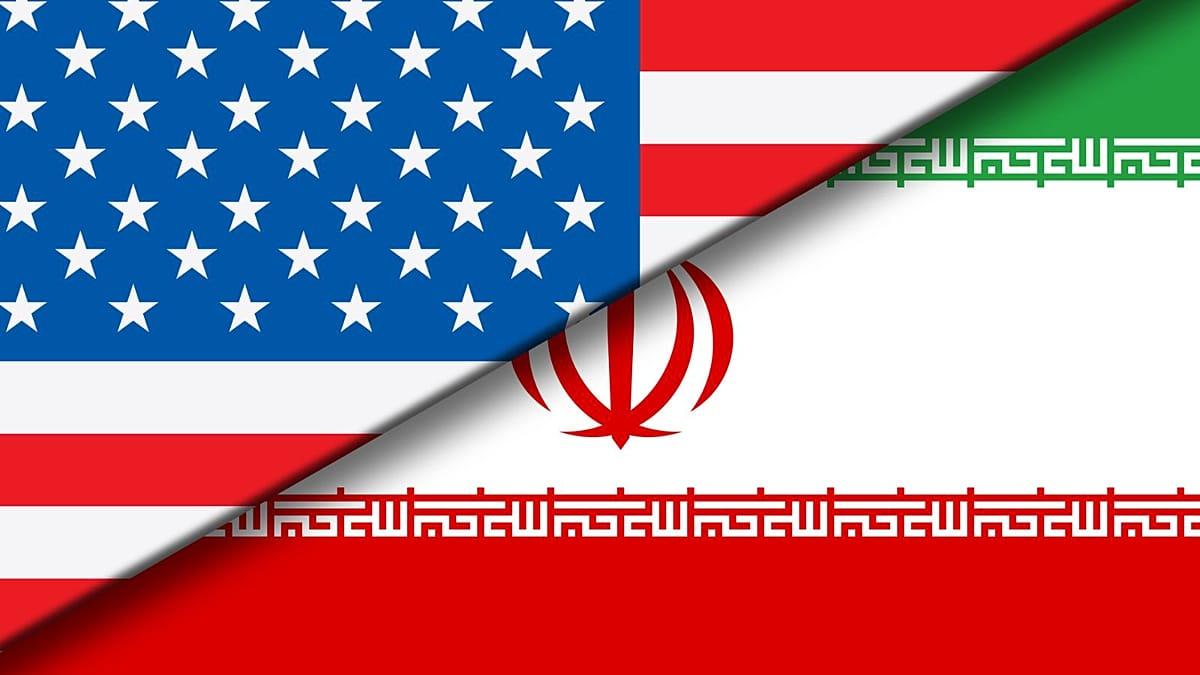
U.S. And Iran Sign Initial Deal To End War, Reopen Strait Of Hormuz
Key Takeaways
- Initial 14-point MOU to end war, reopen Strait of Hormuz, and ease sanctions.
- Strait of Hormuz blockade lifted; traffic resumes.
- 60-day negotiations launched to finalize a comprehensive peace deal.
Deal signed, talks begin
The United States and Iran signed an initial agreement to end the war and reopen the Strait of Hormuz, kicking off a 60-day period of negotiations on a final deal, as the deal’s text centered on 14 points and the reopening of the Strait of Hormuz.
“US and Iran sign initial deal to end war, ease sanctions and open strait as nuclear talks continue US and Iran sign initial deal to end war, ease sanctions and open strait as nuclear talks continue WASHINGTON (AP) — President Donald Trump signed an agreement with Iran on Wednesday that calls for Tehran to dilute its stockpile of highly enriched uranium and waives U”
Vice President JD Vance defended the agreement while responding to Israeli criticism, warning, “If I was in the cabinet of the Israeli government, I might not be attacking the only powerful ally that I have anywhere left in the entire world.”
Iran’s supreme leader Mojtaba Khamenei approved the deal despite holding a “different view,” saying he had allowed it to go ahead after assurances from Iran’s President Masoud Pezeshkian that he would “protect the rights of the Iranian nation.”
The BBC reported the U.S. lifted its naval blockade on Iranian ports “in accordance with the President's direction,” and said the official signing ceremony set for Switzerland was canceled because the deal had already been signed remotely.
The agreement also set a deadline for final talks, with the BBC saying the U.S.-Iran side would negotiate within “a maximum” of 60 days, extendable with mutual consent, as the maritime corridor’s threat level was downgraded to ‘moderate’ by UKMTO after the announced reopening.
Reactions split, Israel presses
In the U.S. political debate, Senate Minority Leader Chuck Schumer called the agreement a “fiasco,” arguing President Donald Trump “gave away the store,” while CNN reported that the White House briefed senior Senate and House lawmakers on the pact’s specifics.
Schumer said, “This is not the art of the deal. This is the art of surrender,” and he added that “Democrats are not going to vote for” any potential deal that includes $300 billion for rebuilding in Iran.
Vance also targeted Israeli criticism of the memorandum, telling reporters, “If I was in the cabinet of the Israeli government, I might not be attacking the only powerful ally that I have anywhere left in the entire world.”
The BBC reported that Republican Senator Bill Cassidy described the agreement as the “worst foreign policy blunder in decades,” saying “Iran's nuclear ambitions were not curbed, and they have learned that threatening the Strait of Hormuz works,” while Vance defended the deal by saying Iran would not receive money or sanctions relief unless it meets obligations.
Israel’s posture remained a central complication, with CBS News reporting Netanyahu said he has “no plans to do so” regarding withdrawing from the security zone in southern Lebanon, even as the Iran memorandum says Lebanon’s territorial integrity must be guaranteed.
What’s at stake next
The memorandum’s immediate mechanics tied benefits to compliance, with the CNN Arabic report quoting a U.S. senior official saying the agreement “basically allows us to open the Strait of Hormuz immediately” while obligating Iran “to destroy their nuclear residues.”
“US lifts naval blockade as Iran's supreme leader says Trump made deal 'out of desperation' US Central Command confirmed the end of the blockade on X "in accordance with the President's direction", and said some US vessels would remain "in the general area"”
The same CNN Arabic text described a conditional sanctions pathway, stating the U.S. will grant licenses, waivers, and permits necessary for financial transactions and commit to ending “all types of sanctions” on Iran in accordance with a timetable agreed as part of the final agreement.
The agreement also placed a price tag on reconstruction planning, with the BBC saying the deal centers around a commitment to a $300bn (£227bn) fund for the “reconstruction and economic development” of the country, while the CNN Arabic text set out a plan worth at least $300 billion for reconstruction and economic development.
Beyond nuclear and sanctions, the deal’s maritime provisions carried a time-bound structure, with the NBC News account saying safe passage would be “with no charge for 60 days only,” followed by negotiations with Oman to “define the future administration” of the vital trade route.
As the 60-day window approached, the BBC said the official signing ceremony in Switzerland was canceled because the deal had already been signed remotely, while the CNN report said secret proposals were being worked on for implementing the 14 points, including details on how to address the future of Iran’s nuclear program.
More on Iran

Trump Signs Iran MOU, Lifts Blockade, Reopens Strait of Hormuz for 60-Day Talks
14 sources compared
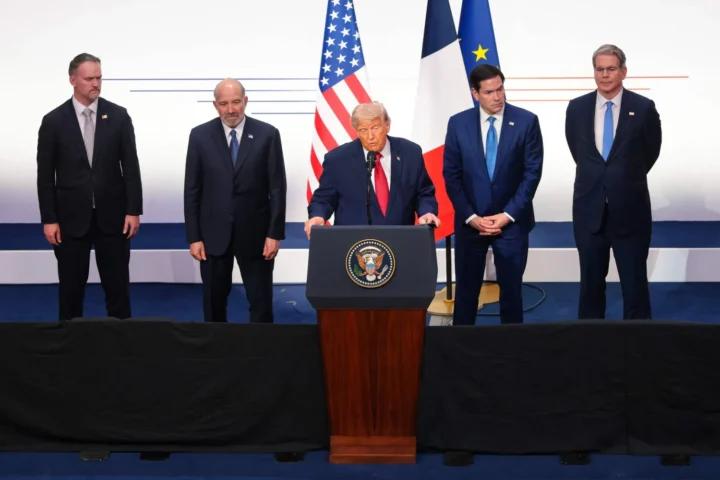
Donald Trump and Masoud Pezeshkian Sign U.S.-Iran MOU to Halt Fighting and Reopen Strait of Hormuz
15 sources compared
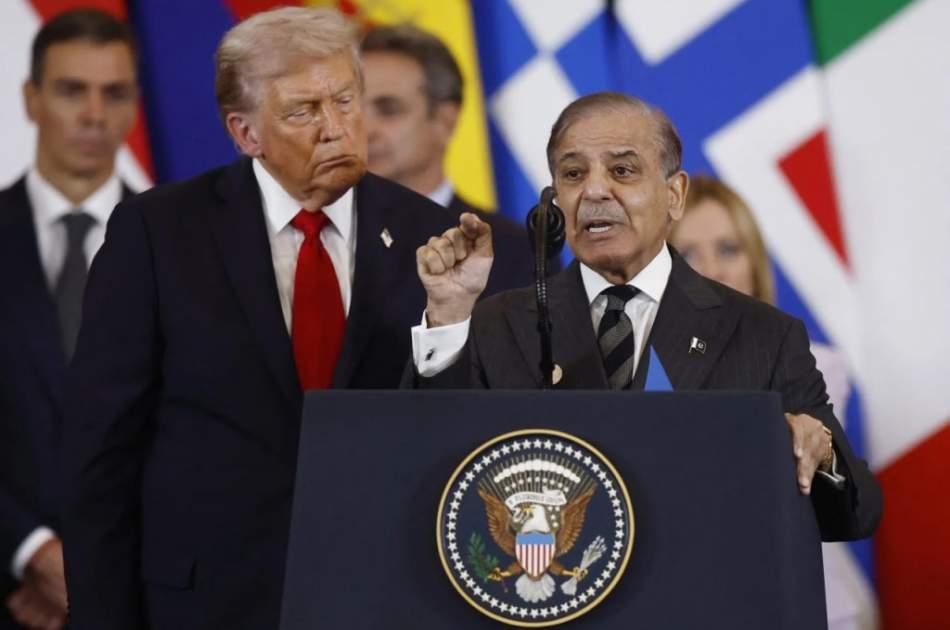
US Lifts Naval Blockade of Iranian Ports as JD Vance Says Oil Flows Through Strait of Hormuz
18 sources compared

Iran’s Supreme National Security Council Exempts Hormuz Transit Fees for 60 Days
28 sources compared