U.S. and Israel Attack Iran, Killing 1,394 Civilians, Human Rights Groups Say
Key Takeaways
- Civilian deaths: 1,394 in Iran and 1,001 in Lebanon.
- UN condemnation and international-law calls followed US-Israel strikes.
- Widespread humanitarian toll and regional escalation reported across Iran, Lebanon, and surrounding states.
Rising toll, disputed counts
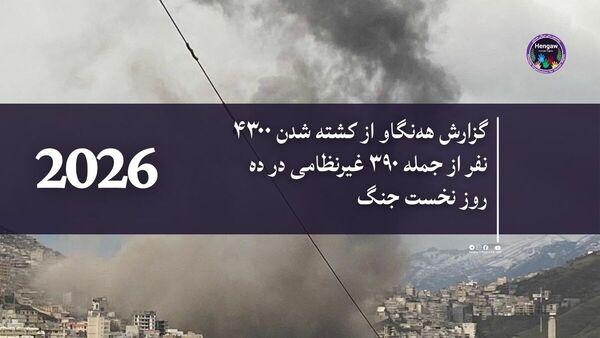
Human rights organizations and official bodies cited by RFI say that since the start of the United States and Israel's attack on Iran, at least 1,394 civilians in Iran have been killed, while HRANA reported that 25 civilians were killed in the last 24 hours (Esfand 28).
RFI also reports that HRANA says the number of civilian fatalities since Esfand 9 has reached 1,394, including at least 210 children, and that from the start of the war to the last hours of Esfand 28, 1,153 military personnel have been killed.

In parallel, the Washington Post says there is “no official count of casualties,” and it describes an airstrike location in Javadieh where the Israel Defense Forces said it carried out the strike in accordance with international law without providing additional strike or casualty details.
The Washington Post further reports that in the first 24 hours of the war the U.S. strike killed 175 people, mostly children at an elementary school in Minab, according to Iranian state media, and that more than 2,000 U.S. or Israeli strike events have been recorded across Iran by ACLED.
RFI adds that HRANA writes Tehran Province was targeted in 36 percent of air and drone strikes, with Fars Province at 13 percent and Azerbaijan and Hormozgan each at 10 percent.
Legal debate and official claims
The BBC frames the conflict as a question of legality, saying coordinated US and Israeli attacks on Iran and Iran's retaliatory response have resulted in civilian casualties and condemnation by Antonio Guterres, the UN Secretary-General, who urged the parties to respect international law.
In the BBC’s account of the legal debate, Susan Brooks, an international-law expert at the Institute of Advanced Legal Studies in Britain, says lawful self-defense requires “unmistakable evidence of an imminent attack,” and she adds that she has not seen such evidence.
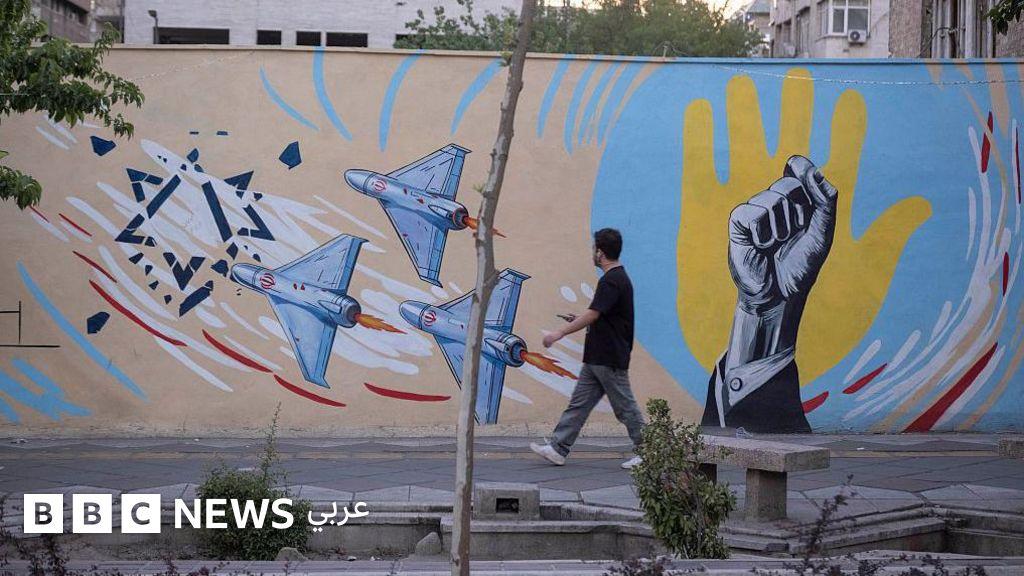
The BBC also quotes Sir Geoffrey Nice, who says, “No evidence has been presented; it is very likely the start of this war was illegal.”
RFI, meanwhile, reports official statements that Tokoli, head of Tehran Emergency Services, said “From the start of the war until now we have had 5,700 injured and 503 martyrs.”
RFI also reports Mohajerani, government spokesperson, saying, “The number of female martyrs of the Ramadan War is 226, and the number of injured women is 3,002; two pregnant mothers also died.”
What comes next, what’s at risk
RFI says HRANA recorded at least 243 attacks in 117 incidents across 17 provinces in the past 24 hours, with 66 casualties in that period and 65 percent of the attacks targeting Tehran Province.
“Is the war between the United States and Israel against Iran legal”
In the same reporting stream, HRANA’s event-based cumulative figures are given as civilian deaths of 1,351 people (including at least 207 children) and military deaths of 1,126, with 622 deaths of unknown (civilian/military) recorded by the time of publication.
The Washington Post adds that strikes have damaged 50 hospitals or medical centers and 108 schools or educational facilities, and it reports that the Iranian Red Crescent Society estimates around 100,000 residential units have been damaged.
The BBC’s legal framing ties the immediate future to compliance with international law, noting that under the UN Charter states generally may not use military force unless a specific exception exists, with Article 2(4) and Article 51 highlighted in the analysis.
DW reports that Mirjana Spoljaric Egger, president of the International Committee of the Red Cross, emphasized the need to protect civilians and civilian infrastructure as a commitment under international humanitarian law, warning that the world must not yield to a “culture that prefers death to life.”
More on Iran

Trump Threatens Tehran as JD Vance Meets Mohammad Bagher Qalibaf in Switzerland Talks
18 sources compared

JD Vance Holds US-Iran Talks in Switzerland as Trump Threatens Strikes Over Hormuz
12 sources compared

Iran’s Qalibaf Urges US To Be Cautious After Trump Threats
10 sources compared
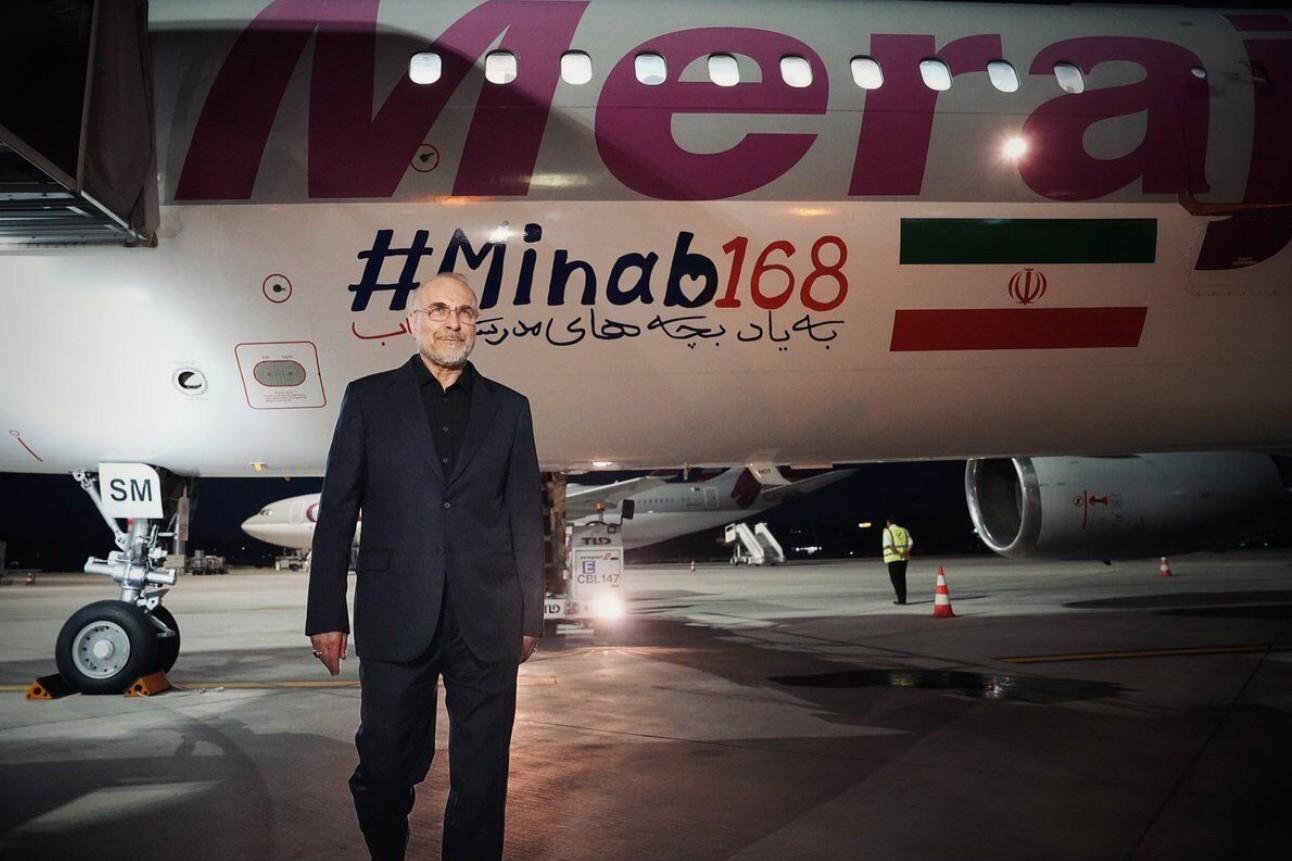
Trump Threatens Iran With Fresh Strikes As JD Vance Meets Iranian Officials In Switzerland
21 sources compared