
US and Israel Attack Iran; Sources Conflict Over Whether Strikes Killed Ayatollah Khamenei
Key Takeaways
- US and Israel launched wide attacks across Iran, striking nuclear and military sites
- Sources conflict over whether Iran’s Supreme Leader Ali Khamenei was killed in the initial strikes
- Reports cite large casualties and infrastructure damage, including destroyed ships and struck nuclear facilities
Strikes and Khamenei claims
The conflict escalated after a US‑Israeli campaign launched on 28 February targeted multiple locations across Iran, with Western military officials reporting large-scale strikes while some outlets reported that Iran’s Supreme Leader, Ayatollah Ali Khamenei, was killed in the initial attacks.
“For those who care deeply about the people living between the Jordan River and the Mediterranean Sea, this is your opportunity to move from despair into action”
News24 reported that “Iran’s Supreme Leader Ali Khamenei was killed in the initial strikes on March 1, 2026,” adding that “His death, confirmed by Iranian state media and international outlets, triggered national mourning, a leadership reshuffle and promises of retaliation.”

The BBC recorded that “The US said on Wednesday it has attacked 5,500 targets across Iran,” and The Business Standard noted “The ongoing US‑Israeli campaign, launched on 28 February, continues to target multiple locations across Iran,” highlighting how different outlets emphasize either the scale of U.S.-Israeli strikes or the reported killing of Khamenei, producing conflicting accounts in open reporting.
Iranian retaliation
Iran responded with sustained retaliatory operations and allied groups widened strikes across the region.
PressTV described the IRGC reprisal as a prolonged campaign, saying “The reprisal, codenamed Operation True Promise 4, began momentarily after the allies launched their latest bout of unprovoked aggression,” and that “So far, the Corps has fired hundreds of ballistic and hypersonic missiles as well as attack drones towards sensitive and strategic enemy targets.”

News24 similarly reported that “Iran and allied groups such as Hezbollah have launched missile and drone attacks on Israeli cities and US bases in the Gulf.”
NPR documented regional escalations tied to Iran-backed forces, reporting Hezbollah rocket attacks on Israel and strikes inside Lebanon alongside U.S. and Israeli counter‑operations.
US/Israeli military claims
U.S. and Israeli military statements focused on the tactical effects of their campaigns at sea and on land, including claimed strikes on Iranian naval and infrastructure targets.
NPR relayed that Central Command “said overnight the U.S. struck what it described as an Iranian 'drone carrier' at sea and that the vessel was on fire.”
BBC Verify reported satellite imagery showing “damage to a nuclear facility at Natanz and and three Iranian missile sites,” and that the US said it had “destroyed 60 Iranian ships including 16 mine-laying vessels near the Strait of Hormuz.”
PressTV’s coverage framed such strikes as provocations that justified continued Iranian reprisals.
Conflicting narratives
The reporting also highlights contested narratives, intelligence sharing, and international unease.
News24 said Khamenei’s death “triggered national mourning, a leadership reshuffle and promises of retaliation,” while NPR reported that “Russia is providing the Iranians with intelligence for their targets,” a development confirmed by U.S. sources.
The Business Standard described growing civilian doubts inside Iran about the long‑term goals of the campaign, noting “Some Iranians who initially backed the US‑Israeli military strikes on Iran are now reassessing their stance as civilian suffering escalates.”
Counterview criticized regional governments’ responses, alleging “Despite the United States violation of Iranian sovereignty and the killing of Iran’s head of state, Ayatollah Ali Khamenei, India has remained silent.”
These competing claims underline both the fog of war over leadership casualty reports and widening diplomatic strains.
Humanitarian toll
The human cost and regional spillover are evident in Lebanon, Iran and Gaza, where strikes and displacement are mounting.
“By Bodapati Srujana Two days after the United States and Israel launched attacks that killed Iran’s Ayatollah Khamenei and hundreds of others—including more than 160 children in a strike on a girls’ school—a United States submarine torpedoed and sank the Iranian frigate IRIS Dena in the Indian Ocean as it was returning from participating in the multinational naval exercise MILAN hosted by India”
Al Jazeera reported that “A strike on the village of Arki, near Sidon, killed nine people, including five children,” and that Lebanese officials put at least “687 people have been killed in Israeli attacks on Lebanon since last Monday, including 98 children.”

NPR documented mass displacement in Lebanon, noting officials said “more than 95,000 people have been displaced by Israeli strikes since the Iran war began,” and BBC Verify reported a separate Iranian toll at Minab where “at least 168 people including children were killed at a primary school when it was hit on 28 February.”
Commentary outlets also tied the current fighting to the longer‑running devastation in Gaza, with 972Mag describing “Israel’s genocidal assault on Gaza” and listing massive casualties and displacement, stressing the wider humanitarian backdrop to the present escalation.
More on Iran
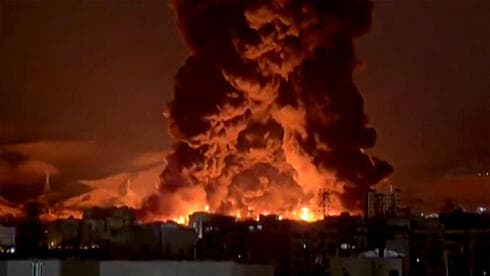
Trump Says U.S. Bombed Military Sites on Kharg Island, Iran's Oil Hub
14 sources compared
FBI Warns of Iranian Drone Plot Based on Unverified Tip; California Says No Credible Threat
10 sources compared

White House Demands ABC Retract Report Claiming Iran Sought To Launch Drone Attacks On California
11 sources compared

Iranian Proxy Claims It Shot Down US Refueling Plane in Iraq; US Military Says Otherwise
17 sources compared