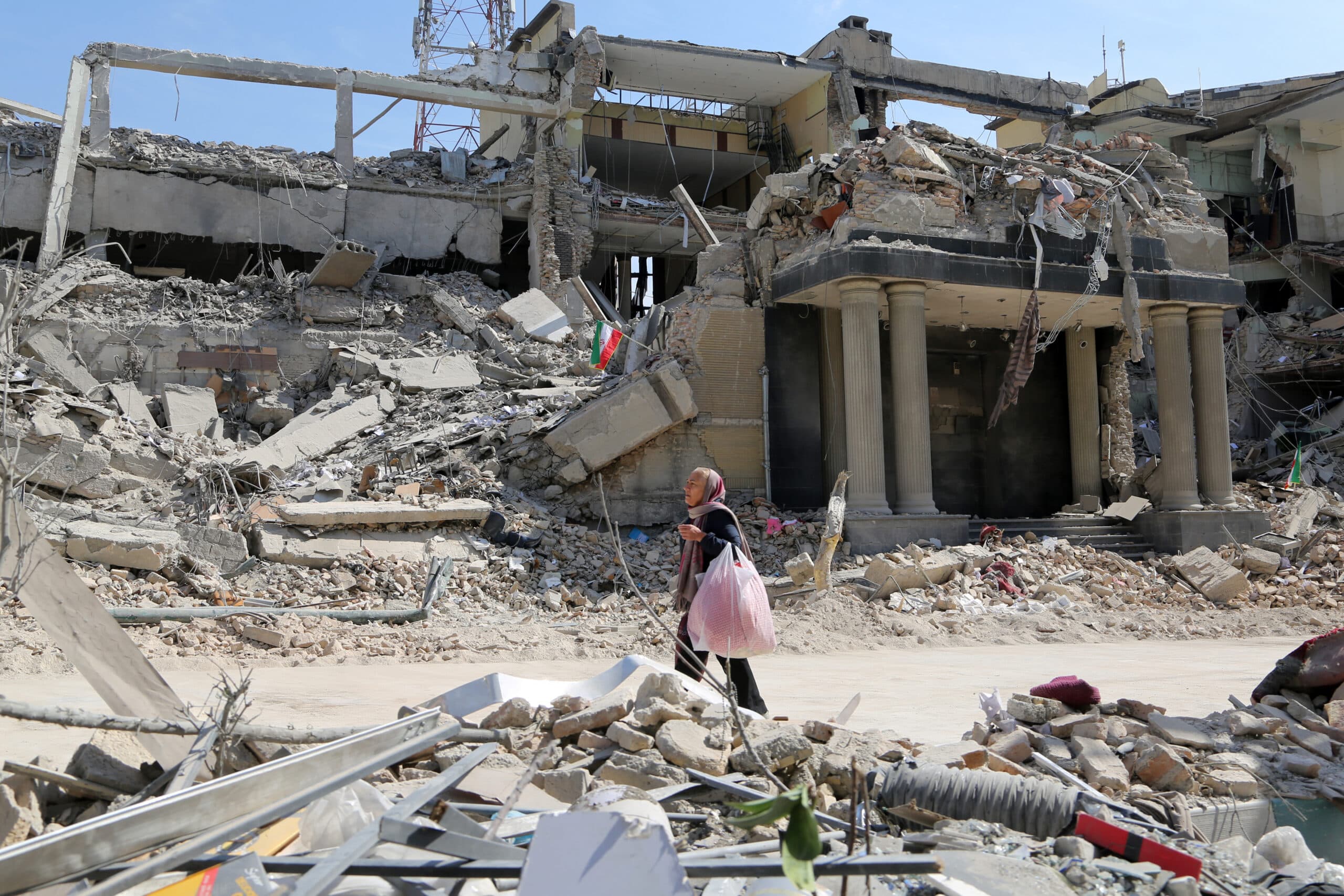
U.S. and Israel Bomb Iran, Kill Iran's Supreme Leader, Spark Wider Middle East Conflict
Key Takeaways
- U.S. and Israeli bombardment of Iran began Feb. 28
- Bombardment killed a reported 1,000 people, including Iran's supreme leader
- Attacks sparked widening conflict across the Middle East
Strikes and escalation
Documents show that in June 2025 the United States carried out strikes on three Iranian nuclear sites during a 12-day Israel–Iran war.
“New versions of ‘Remaking the Middle East’ and ‘Strike on Iran’ will premiere this month, and a FRONTLINE Dispatch podcast episode on the conflict’s roots and ramifications is out now”
The Trump administration said the munitions "obliterated" the facilities and significantly set back Iran's nuclear program.
FRONTLINE produced an updated two-hour documentary that traces the escalation from proxy clashes to direct war after Hamas's Oct. 7, 2023 attacks.
The documentary situates those strikes within the decades-long Israel–Iran rivalry and the U.S. role in that escalation.
PBS reporting frames the strikes and subsequent coverage as part of a larger arc from proxy conflicts to open confrontation.
Investigations of Iran strikes
FRONTLINE, The Washington Post, Evident Media and Bellingcat carried out on-the-ground and forensic investigations into Iran’s nuclear program after those strikes.
They interviewed Iran’s chief nuclear negotiator Ali Larijani.
They examined an Israeli campaign that targeted Iranian nuclear scientists.
PBS presents this multi-outlet, forensic reporting as central to understanding both the technical impact of the strikes and the human and clandestine dimensions, including targeted attacks on personnel, that preceded and accompanied the broader confrontation.
Broader context of strikes
PBS places the strikes in a broader historical and political context.
“New versions of ‘Remaking the Middle East’ and ‘Strike on Iran’ will premiere this month, and a FRONTLINE Dispatch podcast episode on the conflict’s roots and ramifications is out now”
The network highlights Netanyahu’s long‑running push to neutralize Iran’s nuclear capabilities and proxies, the decades‑long Israel–Iran rivalry, and the U.S. role in that dynamic.
FRONTLINE’s other films, cited by PBS, link these developments to Iran’s domestic politics and regional alignments.
They cover Iran’s domestic unrest after Mahsa Amini’s death and the government’s crackdown on protesters.
They also address the Iran–Saudi rivalry and its regional, sectarian fallout, suggesting that the confrontation sits atop multiple overlapping crises.
Assessment of PBS excerpts
The provided PBS material does not state that Iran’s supreme leader was killed, nor does it present direct evidence that a targeted assassination of top Iranian leadership occurred.
The available reporting in the snippet documents the destruction of nuclear sites, forensic investigations, and a broader documentary narrative of escalation; it therefore does not substantiate the specific claim that U.S. and Israeli strikes killed Iran’s supreme leader or fully describe a subsequent, region‑wide conflagration beyond the referenced 12‑day war.
Any claim that the supreme leader was killed or that a wider Middle East war has been provoked is not supported by the excerpts supplied here and would be an extrapolation beyond the provided sources.
More on Iran-Israel

Escalation in Iran Pushes Oil Near $120, Sparks Gas Price Surge in Los Angeles
10 sources compared
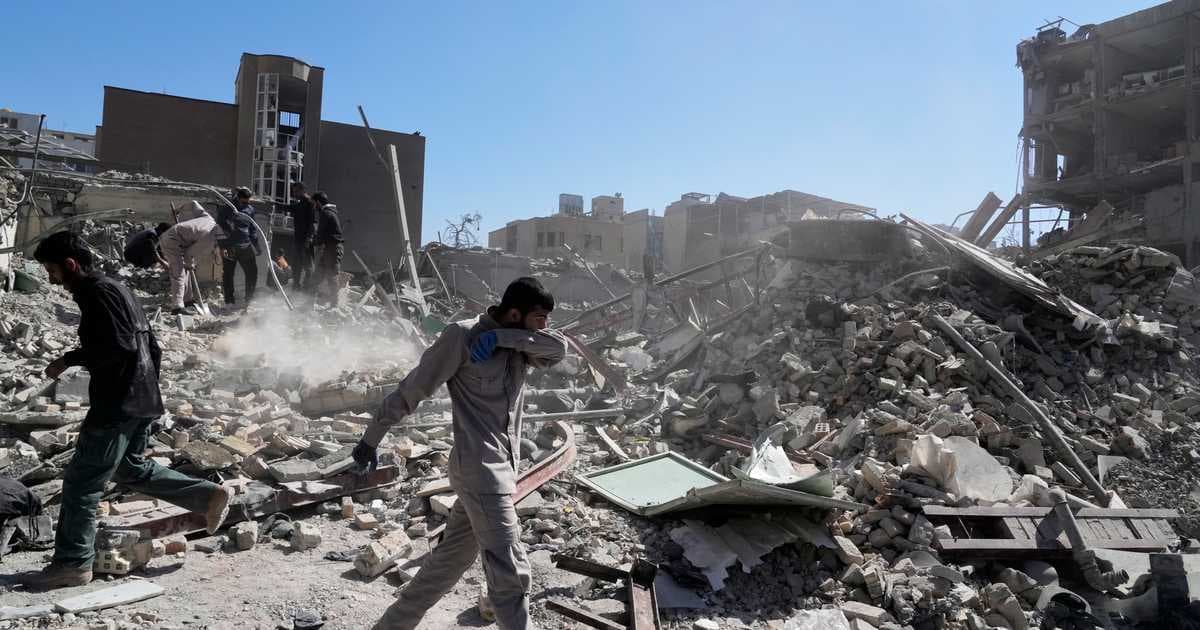
U.S. Intercepts Iran Message Activating Sleeper Cells After U.S.-Israel Strike Kills Khamenei
14 sources compared

Iran Threatens To Confiscate Property Of Iranians Abroad Who Support US And Israel
14 sources compared
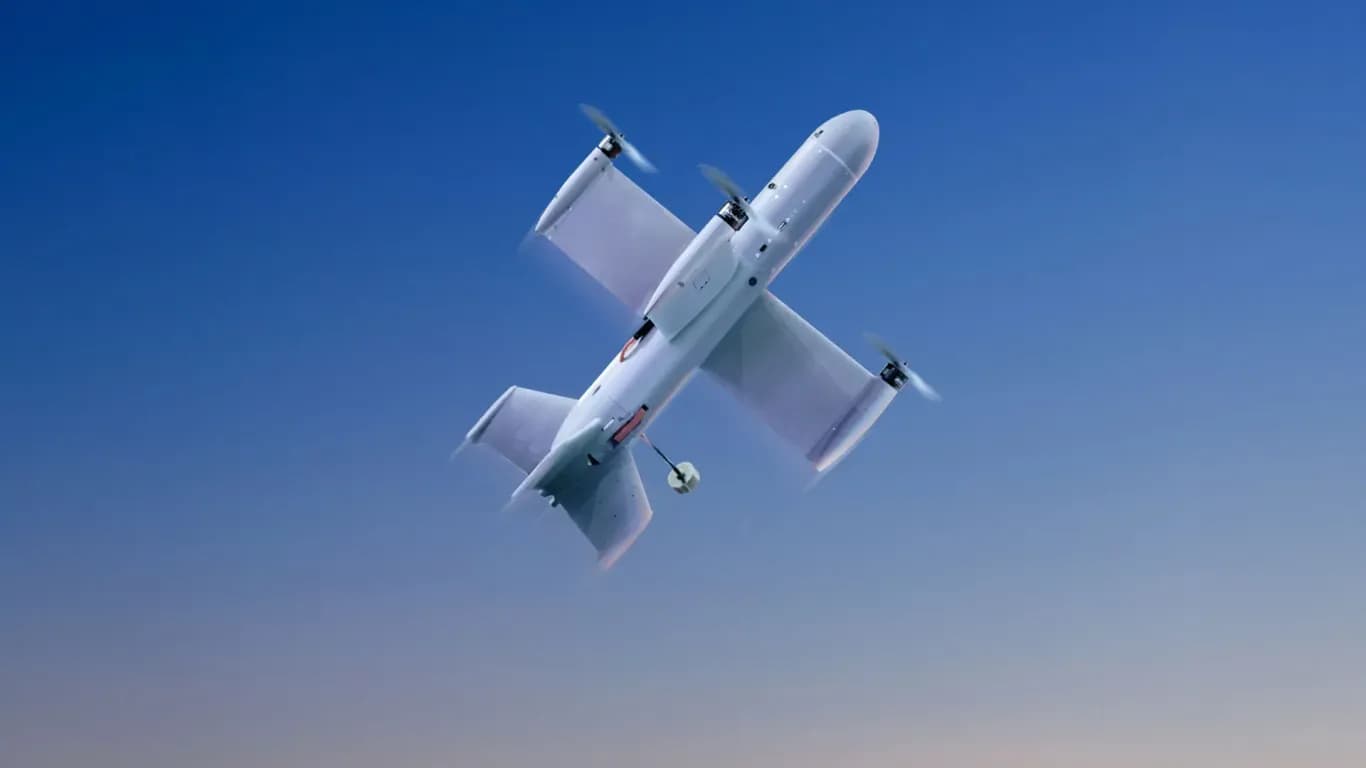
Ukraine Sends Drones, Experts to Shield U.S. Bases in Jordan From Iran
16 sources compared