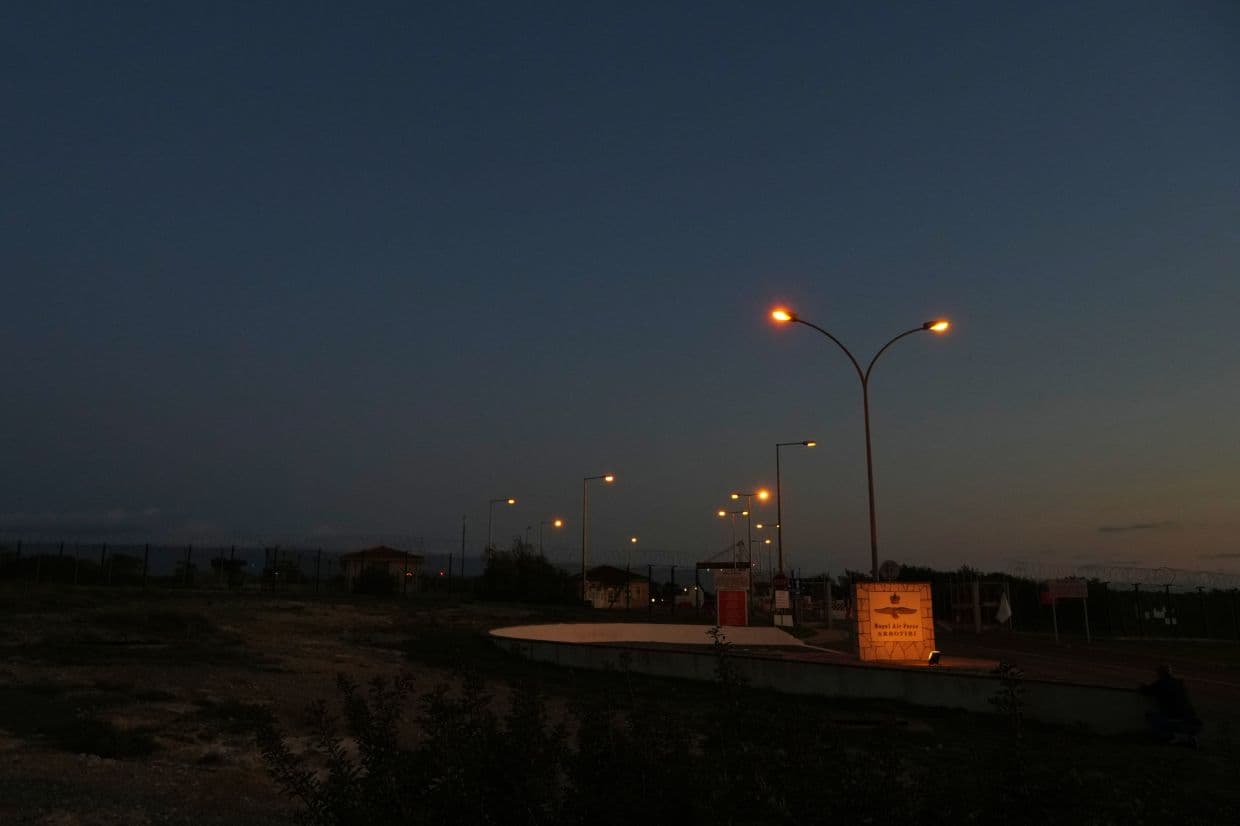
US and Israel Bomb Tehran, Fracture Europe as Allies Clash Over Response
Key Takeaways
- US and Israeli forces launched military strikes on Iran.
- European allies are sharply split over how to respond to the strikes.
- US involvement in the attacks prompted disputes over allied cooperation and responsibility.
Division over Iran strikes
The Star reports that recent US- and Israeli-led strikes on Iran, followed by Iran's retaliatory missile and drone attacks, have left European governments deeply divided over how to respond.
“The White House denied US responsibility for the Iranian girls’ school bombing that killed 175, with Press Secretary Karoline Leavitt citing an ongoing Pentagon investigation”
Firstpost frames the confrontation as part of broader regional instability, saying recent fighting between the US–Israel and Iran has shaken the region and had wide political and economic effects.
&w=3840&q=75)
European responses and deployments
UK Prime Minister Keir Starmer defended his decision not to join the initial strikes, despite criticism from the US, saying he must act in Britain’s national interest and pledging to protect people in the region.
Britain, France and Germany issued a joint statement saying they may enable 'necessary and proportionate' defensive action to destroy Iran's missile and drone capabilities.
Firstpost notes shifts in European military posture, such as Germany further withdrawing Bundeswehr troops and France deploying naval assets to the Mediterranean.
These moves underline how policy differences are translating into force movements across Europe.
Diplomatic rift and fallout
NATO’s secretary-general praised US action even as Spain’s prime minister Pedro Sanchez condemned the strikes as unlawful.
“The White House denied US responsibility for the Iranian girls’ school bombing that killed 175, with Press Secretary Karoline Leavitt citing an ongoing Pentagon investigation”
That stance prompted Washington to withdraw tankers from bases in Seville and Cadiz after Madrid refused refuelling support.
The Star documents both the praise and the rebuke.
Firstpost likewise highlights the fragility of alliances and the redeployment of forces in the region.
Analysts cited by The Star warned Europe must work to contain the conflict to avoid being drawn in.
Energy, legal and security impacts
Beyond politics and deployments, the confrontation is reshaping energy and legal rhetoric.
Firstpost reports that Russia says the conflict has driven "a sharp rise in demand for Russian oil and gas after disruptions around the Strait of Hormuz, with Urals crude to India now trading at a premium to Brent for the first time," signalling economic spillovers.
Firstpost also records the exchange of accusations over weapons use: "Israel’s military accused Iran of using cluster munitions 'multiple times,' calling such use a war crime if directed at civilians (neither country is party to the 2008 Convention on Cluster Munitions)."
The Star adds that France signalled willingness to help defend Gulf allies proportionately and that its foreign minister confirmed "an Iranian drone struck a French naval base in Abu Dhabi with no casualties," underscoring how European states are both protesting and prepared to protect assets.
More on Iran-Israel

Escalation in Iran Pushes Oil Near $120, Sparks Gas Price Surge in Los Angeles
10 sources compared
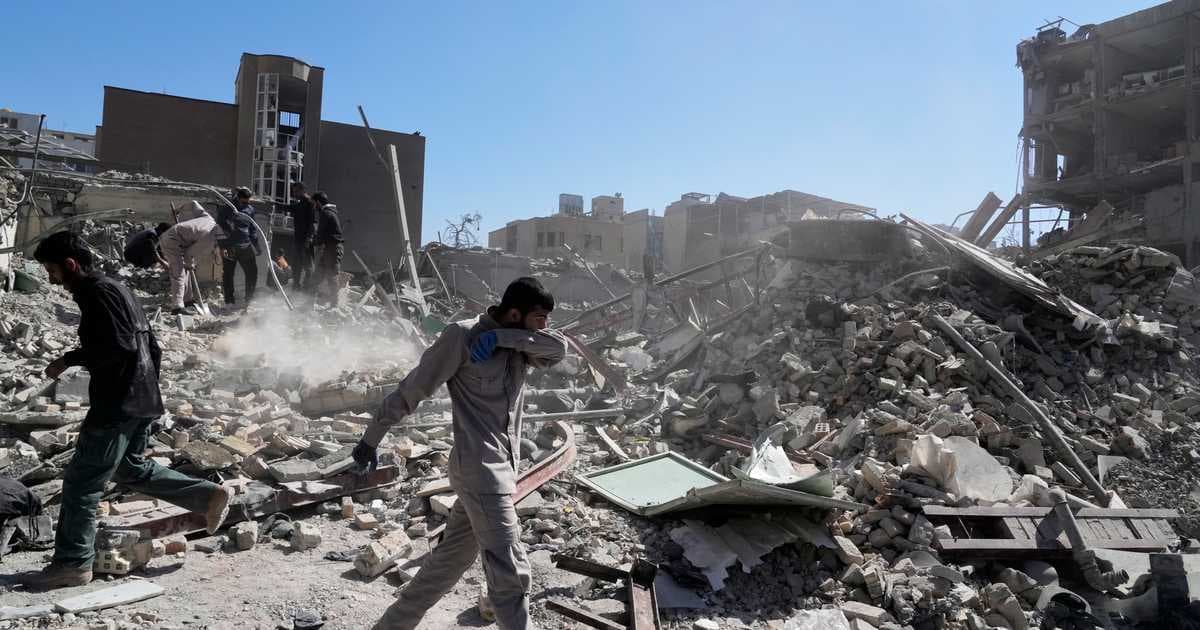
U.S. Intercepts Iran Message Activating Sleeper Cells After U.S.-Israel Strike Kills Khamenei
14 sources compared

Iran Threatens To Confiscate Property Of Iranians Abroad Who Support US And Israel
14 sources compared
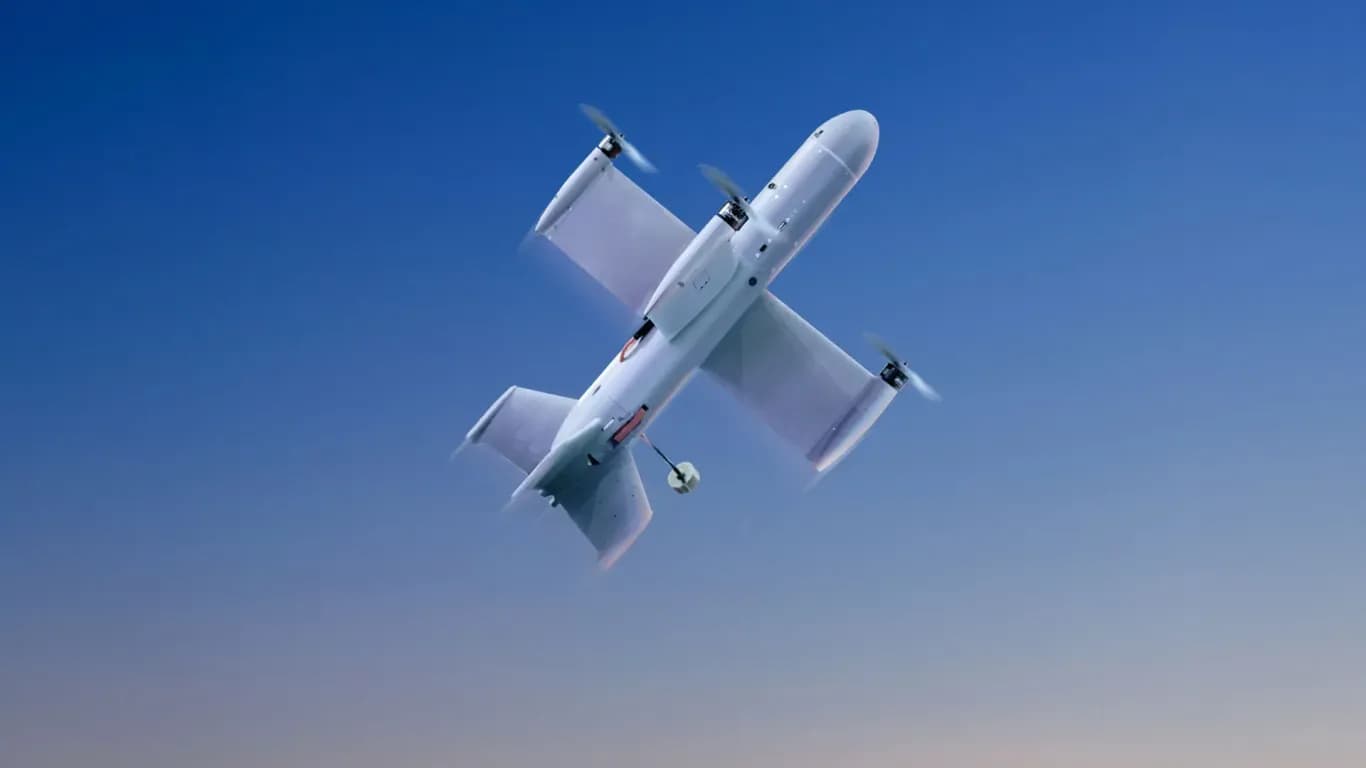
Ukraine Sends Drones, Experts to Shield U.S. Bases in Jordan From Iran
16 sources compared