
US and Israel Enter 25th Day of War Against Iran
Key Takeaways
- U.S.-Israeli airstrikes against Iran continued for over three weeks.
- Iran denies ongoing talks with the U.S. as Trump touts productive negotiations.
- Oil prices are expected to stay high amid the conflict.
Peace Talks Claims
The war launched by the United States and Israel against Iran entered its 25th day on Tuesday with conflicting claims emerging over possible peace talks.
“Israel bombs petrol station in southern Lebanon The war launched by the United States and Israel against Iran entered its 25th day on Tuesday, as conflicting claims emerged over possible peace talks”
US President Donald Trump announced that Washington was holding discussions with Iran to reach a broader agreement, stating 'Iran means business' and suggesting talks could lead to de-escalation.
However, Iranian officials firmly rejected these claims as 'fake news' and a 'big lie,' accusing the US of fabricating negotiations to manipulate global markets and buy time while deploying more forces to the region.
In response to the alleged diplomatic efforts, Trump ordered the US military to postpone planned strikes on Iranian power plants and energy infrastructure for five days.
Analysts suggest this delay may be aimed at allowing more Marines to arrive in the region or providing Trump with an 'exit ramp' from the increasingly unpopular war.
Military Escalation
Military conflict intensified across the region as Iran fired new missile barrages at Israel while Gulf countries reported repeated drone and missile interceptions.
In Lebanon, Israeli airstrikes continued to target infrastructure used by the Iran-linked Hezbollah group, with a strike on a residential apartment southeast of Beirut killing at least three people including a 3-year-old girl, according to the Lebanese Health Ministry.

The escalating violence has resulted in catastrophic civilian casualties, with Lebanese authorities reporting Israeli strikes have killed more than 1,000 people and displaced more than 1 million civilians.
Iran's death toll has surpassed 1,500, while 15 people have been killed in Israel and at least 13 US military members, along with dozens of civilians in the occupied West Bank and Gulf Arab states.
In response to the growing conflict, Lebanon declared Iran's ambassador persona non grata and ordered him to leave, reflecting the deterioration in relations between the two countries.
Economic Impact
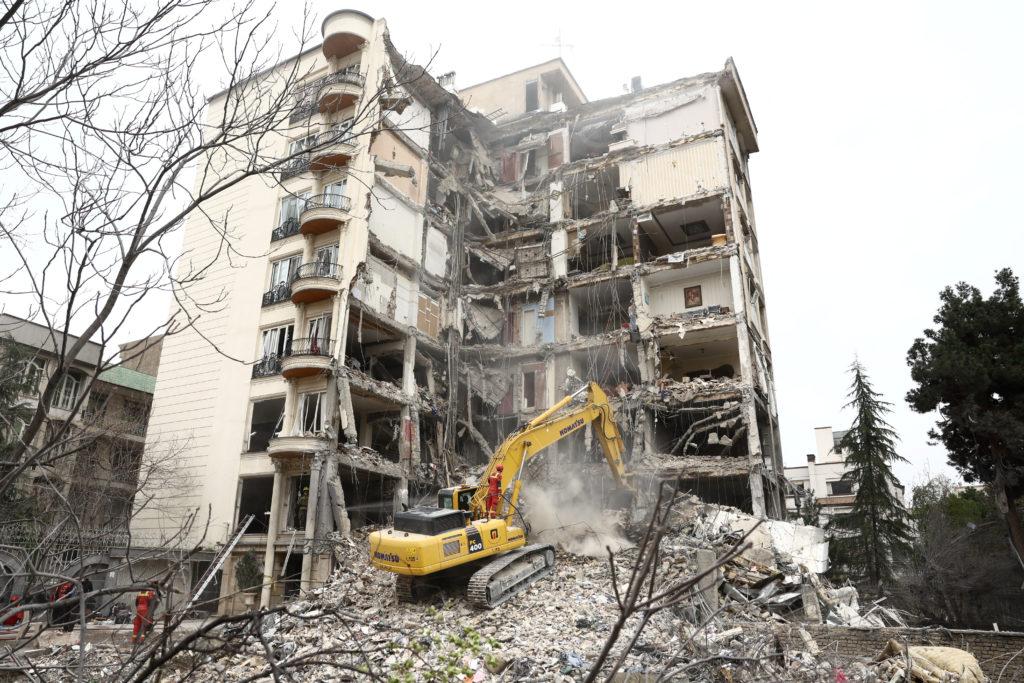
The war has caused significant economic disruption with oil prices soaring and civilian infrastructure suffering massive damage.
“Trump declares victory and claims Iran offers a 'prize' in talks Iran has denied having President Trump said on Tuesday Iran made a valuable offer to reach a deal with the United States, in negotiations that Iranian officials have so far denied are taking place”
The Iranian Red Crescent Society reported that US and Israeli strikes have left more than 82,000 civilian structures damaged or destroyed, representing widespread devastation across Iranian communities.
In response to the economic impact, President Trump issued a 48-hour ultimatum for Iran to reopen the Strait of Hormuz, threatening to 'obliterate' Iranian power plants if Tehran failed to comply.
The deadline was later extended for five days, coinciding with Trump's announcement about the alleged peace talks.
Meanwhile, Brent crude oil prices have surged back over $100 per barrel, up nearly 40% since the war started, with Egypt reportedly leading diplomatic efforts focused on 'trust-building' between the US and Iran aimed at preventing attacks on energy infrastructure in the Gulf region.
Diplomatic Shifts
The conflict has triggered significant diplomatic shifts and military posturing across the region.
Iran has named Mohammad Bagher Zolghadr as the new secretary of the Supreme National Security Council, replacing Ali Larijani who was killed in an Israeli-US attack on March 17.
Meanwhile, Lebanon has banned Iranian flights from landing, citing fears they would carry weapons or funding for Hezbollah, and some top Lebanese government officials have become critical of Tehran's role, accusing it of dragging Lebanon into another war with Israel.
Israeli Defense Minister Israel Katz threatened to use the 'model' of destruction employed in the Gaza Strip in Lebanon, while the US sent thousands of Marines to the region, raising speculation that Washington may attempt to seize Kharg Island, which is vital to Iran's oil network.
Iran has warned it would mine the Gulf if the US appears on the verge of landing troops, escalating tensions about potential wider military intervention in the conflict.
Iranian Domestic View
Within Iran, the conflict has deepened existing social divisions and raised questions about domestic stability.
Some Iranians expressed hope for regime change amid the chaos, with one man stating that Israeli-U.S. strikes 'already killed the former Supreme Leader [Ali] Khamenei and I hope they kill the rest [of the leadership] soon.'

This perspective reflects the deep anti-government sentiment that existed even before the current conflict, with the Human Rights Activists News Agency reporting that Iran killed more than 7,000 of its own citizens during protests in January.
The war has also exposed significant security failures in Iran's leadership protection protocols, including incidents where bodyguards shared geolocation data on social media and other security breaches that led to improved protocols after the 2025 war.
Iranian officials and state media continue to project what Al Jazeera describes as the 'power of defiance,' maintaining a hardline stance despite the mounting civilian casualties and economic devastation caused by the conflict.
More on Iran

Pentagon orders 1,000 82nd Airborne troops to West Asia amid Kharg Island seizure talks
13 sources compared

U.S. Prepares to Deploy 1,000 82nd Airborne to West Asia to Seize Airfields
17 sources compared

Pentagon deploys 3,000 82nd Airborne troops to West Asia to backstop Iran war operations
14 sources compared

US, Israel escalate West Asia strikes as US demands Iran roll back nuclear program
12 sources compared