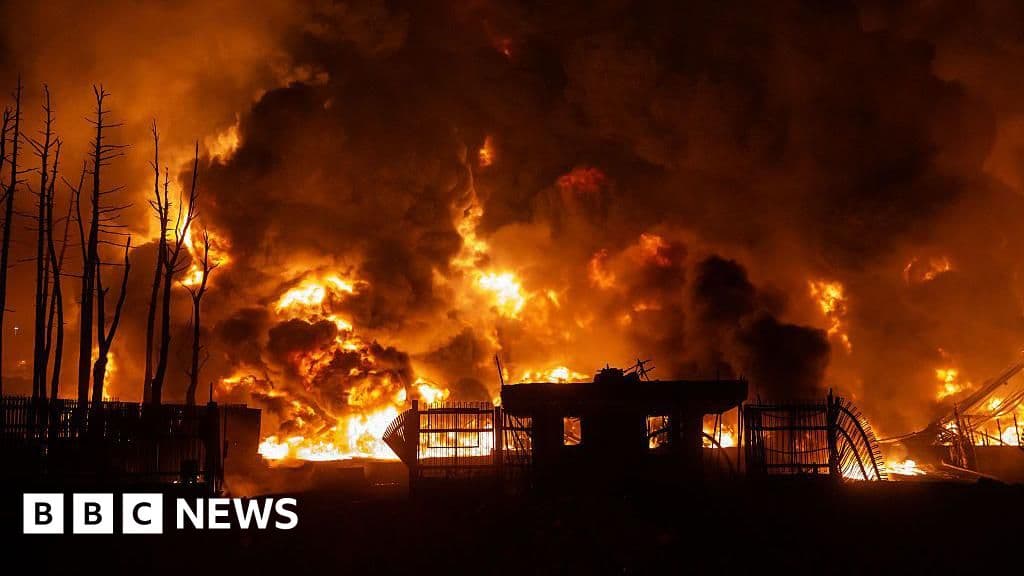
US and Israel kill Iran's supreme leader, sparking regional escalation
Key Takeaways
- US and Israel launched wide-ranging strikes on Iran.
- Iran's supreme leader was killed on 28 February.
- Iran retaliated with attacks on Israel and Gulf states, including civilian targets.
Escalating Attacks
US and Israel have significantly escalated attacks against Iran in recent days.
“Why did US and Israel attack Iran and how long could the war last”
These attacks have targeted critical infrastructure including oil refineries and strategic military locations.
The US has specifically focused on Kharg Island, which serves as Iran's primary economic lifeline through its major oil terminal.
These attacks have resulted in substantial casualties, with the US-based Human Rights Activists in Iran (HRANA) reporting that 3,040 people have been killed in Iran as of 14 March.
The casualties include 1,122 military personnel and 1,319 civilians, of whom at least 206 were children.
An additional 599 fatalities remain unclassified as either civilian or military.
Iran has consistently maintained that its nuclear program is entirely peaceful while facing these intensified assaults on its territory and economic assets.
School Attack Evidence
One of the most significant incidents involved an attack on a girls' school near an IRGC base in southern Iran on 28 February.
Iran has blamed the US and Israel for this attack.
The Iranian government reported that 168 people were killed in this attack, including approximately 110 children.
The US stated it was investigating the incident.
Israel claimed it was 'not aware' of any military operations in the area.
Expert video analysis conducted by BBC Verify has identified that a US Tomahawk missile struck a military base near the school.
This evidence directly contradicts Israel's denial.
This attack has sparked significant political repercussions.
US Defense Secretary Pete Hegseth now faces questions from Democratic lawmakers regarding potential US involvement.
Regional Escalation
The attacks extend beyond Iranian territory.
“Why did US and Israel attack Iran and how long could the war last”
An Iranian warship was sunk by a US submarine in the Indian Ocean near the coast of Sri Lanka on 4 March.
This incident resulted in at least 87 deaths.
This event further escalates tensions between the two nations.
The US military actions are being conducted under conditions of extreme information control.
Access to Iran for international journalists has been limited.
Internet connectivity within the country has been almost entirely restricted.
These restrictions prevent independent verification of casualty figures.
They also prevent verification of the full extent of damage to Iranian infrastructure and military capabilities.
This leaves much of the international community reliant on Iranian government reports and limited external sources.
Humanitarian Concerns
The intensifying conflict represents a significant escalation in long-standing tensions between the US, Israel, and Iran.
Civilian casualties are mounting on a substantial scale.
The attacks are targeting both military infrastructure and civilian areas.
This raises serious concerns about international humanitarian law.
There are also concerns about proportionality in military response.
The restricted access to information creates an information vacuum.
This makes it difficult for the international community to assess the full humanitarian impact.
It also makes it difficult to assess the legal implications of these actions.
Both sides maintain positions that are increasingly difficult to reconcile through diplomatic channels.
This suggests that regional tensions may continue to escalate in the coming weeks.
More on Iran
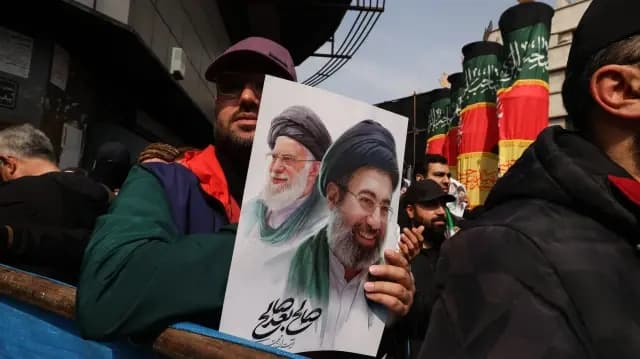
Russia Secretly Airlifts Iran's Supreme Leader Mojtaba Khamenei to Moscow for Surgery
11 sources compared
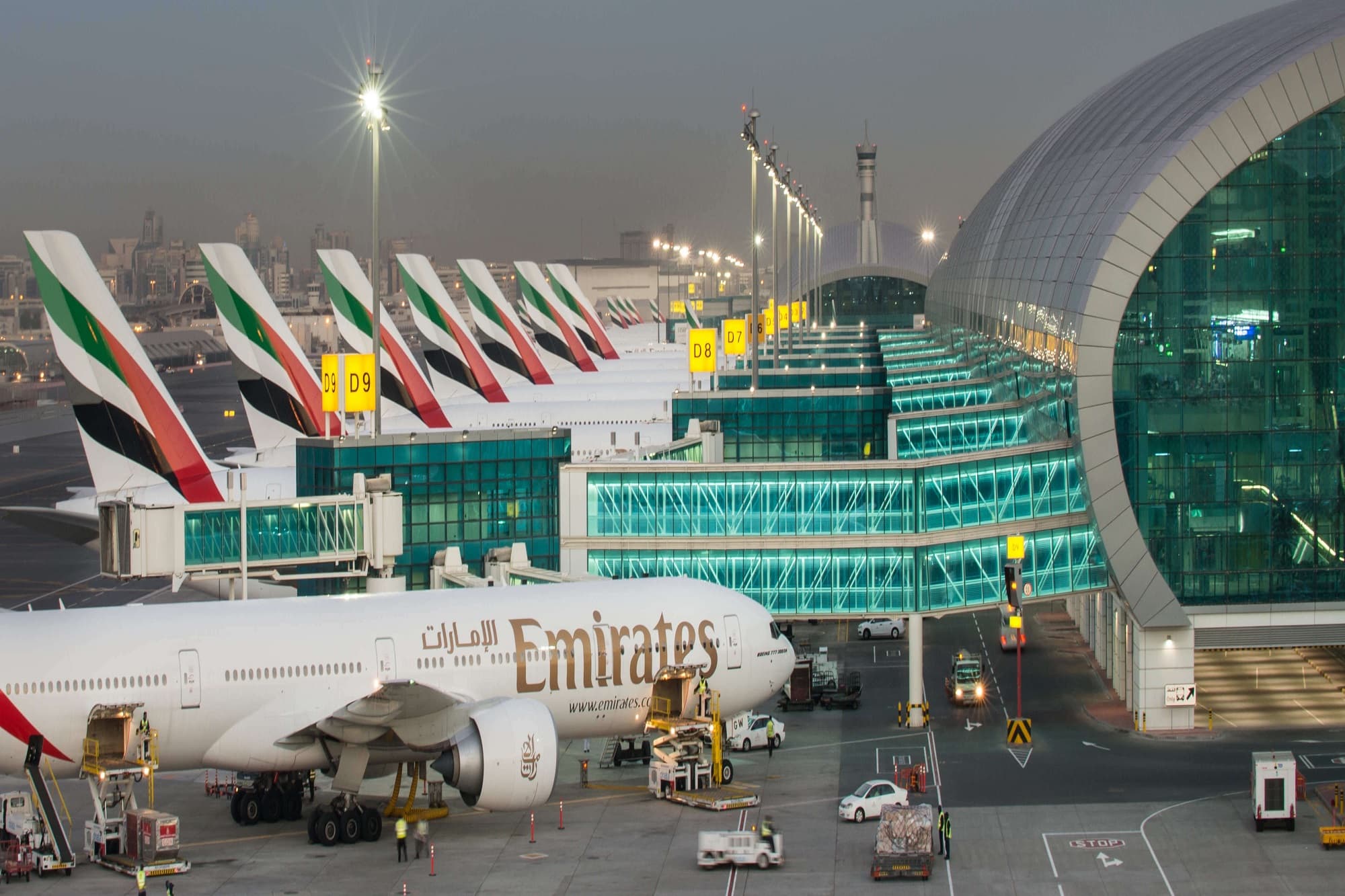
Iranian Drone Strike Shuts Dubai International Airport, Thousands Stranded
25 sources compared

Iran Drone Strike Shuts Dubai International Airport, Triggers Global Travel Disruption
16 sources compared

Iran's New Supreme Leader Mojtaba Khamenei Travels to Moscow for Leg Surgery
15 sources compared