
US and Israel Launch Coordinated Air Campaign Against Iran Targeting Nuclear, Missile, Naval, Energy Sites
Key Takeaways
- United States and Israel launched coordinated large-scale air strikes against Iran
- Strikes target Iran's nuclear, missile, and naval infrastructure
- Israel codenamed the campaign Lion's Roar
US–Israel strikes on Iran
On 28 February 2026 the United States and Israel launched a large, coordinated military offensive against Iran.
“War in the Middle East: 'Operation Lion's Roar', Israel's revenge for October 7 that brought the United States into the war Iran's strategic oil industry has been added to the increasingly broad range of targets struck in the offensive that began nine days ago”
Israel described the offensive as "Operation Lion’s Roar," and President Donald Trump called it "major combat operations."
Officials said the strikes aimed to degrade Iran’s ballistic-missile infrastructure, naval forces and alleged nuclear progress.
The campaign’s stated objectives — including decapitation of leadership, degradation of military and missile capabilities, and elimination of Iran’s nuclear programme — are reported across analyses and news outlets.
High‑tempo air campaign
The operation was carried out at an unusually high tempo.
According to regional analysis, US‑Israeli forces carried out in under 12 hours more strikes on Iran than during the entire 12‑day June 2025 conflict (about 1,100 strikes) and maintained a high tempo over the following 36 hours, described as the most intensive air campaign since 2003.

Attacks were launched along at least two axes: from Iraq (with Israeli forces and US support) and from the Persian Gulf/Arabian Sea (US forces).
Initial strikes reportedly hit multiple Iranian cities and military sites, including Tehran and Isfahan.
Strikes on Iranian infrastructure
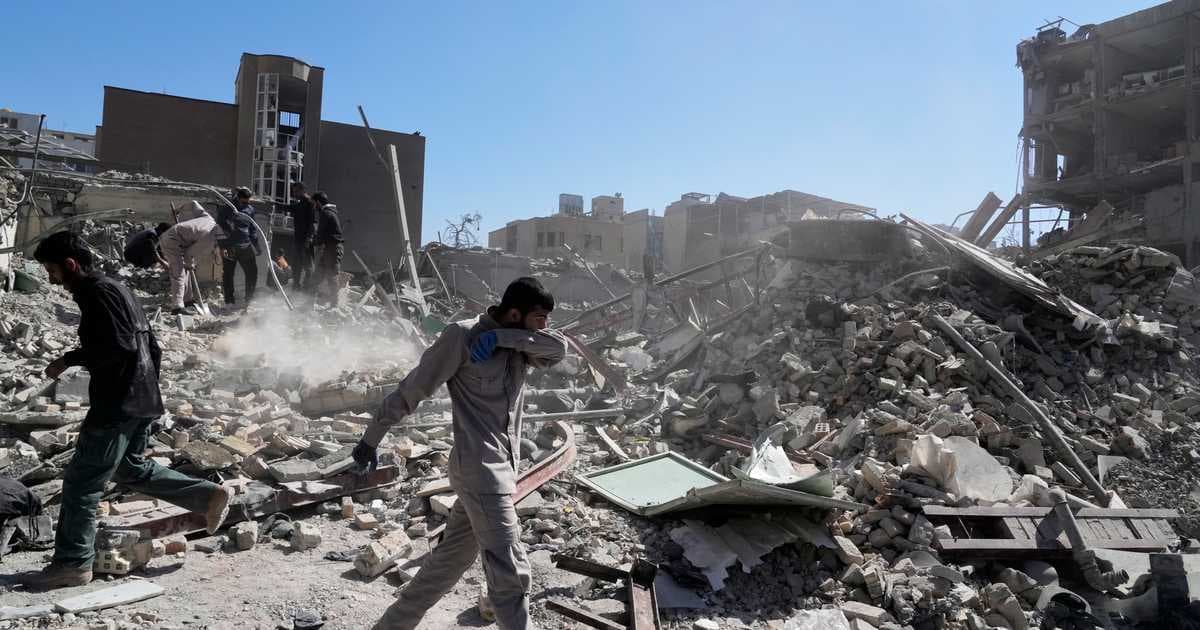
Targets spanned military, naval, missile‑production and energy infrastructure.
“A dramatic escalation in the Iran-Israel conflict has unfolded, with the United States and Israel launching coordinated military strikes against Iran that have significantly widened regional hostilities”
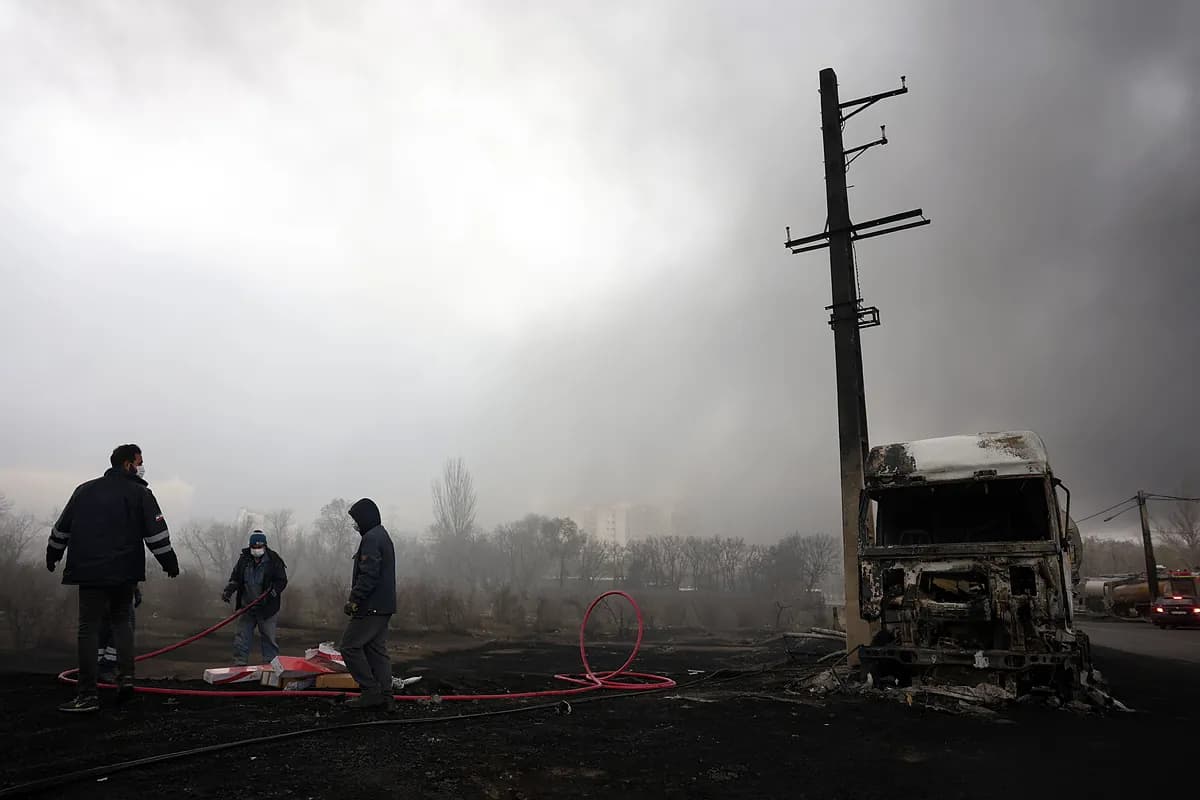
Reports say strikes hit Revolutionary Guard Air Force facilities, Space Force facilities, ballistic missile sites, air‑defence assets and oil storage/fuel depots around Tehran and Alborz.
Iranian officials reported large fires, toxic smoke and fuel contamination that prompted health warnings and orders to stay indoors.
U.S. and Israeli statements framed some fuel‑site strikes as aimed at denying resources to the IRGC’s war effort.
Conflicting casualty and retaliation reports
The campaign produced contested and conflicting casualty and damage tallies and provoked significant regional retaliation.
The Logical Indian reports Pentagon briefings that "at least six US soldiers were killed and others wounded" and regional reporting estimating a wider death toll of about 555.
OSW states Iran’s retaliation produced limited military effect overall — "about 20 fatalities overall (including three US soldiers and 12 Israeli civilians)" — and notes Iran launched attacks across 11 countries.
Meanwhile El Mundo documents multi-front escalation, reporting the UAE’s figures of missiles and drones and citing strikes on neighbouring infrastructure such as desalination plants and widespread Hezbollah attacks into Israel.
These differences highlight major discrepancies in casualty counts and impact assessments among sources.
Political and regional ramifications
The strikes carry acute political ramifications: analysts say a swift, successful campaign could alter political calculations in the US and strengthen Prime Minister Benjamin Netanyahu’s long‑standing aim of weakening Iran.
“US and Israeli strikes on Iran: an attempt to engineer regime change On 28 February, the armed forces of the United States and Israel launched a large-scale campaign of air strikes against Iran, codenamed Operation Epic Fury by the Pentagon and Lion’s Roar by the Israel Defense Forces”
US domestic politics may push Democrats to seek a congressional vote to block further unauthorised action.
The strikes also intersected with Iran’s fraught succession dynamics — El Mundo reports that hours before the Assembly of Experts confirmed "Mojtaba Jamenei as successor to the late Supreme Leader Ali Jamenei," Israeli forces announced the killing of a senior aide.
International actors have called for urgent diplomacy and ceasefire amid fears of a protracted, region‑wide war.
More on Iran-Israel

Escalation in Iran Pushes Oil Near $120, Sparks Gas Price Surge in Los Angeles
10 sources compared
U.S. Intercepts Iran Message Activating Sleeper Cells After U.S.-Israel Strike Kills Khamenei
14 sources compared

Iran Threatens To Confiscate Property Of Iranians Abroad Who Support US And Israel
14 sources compared
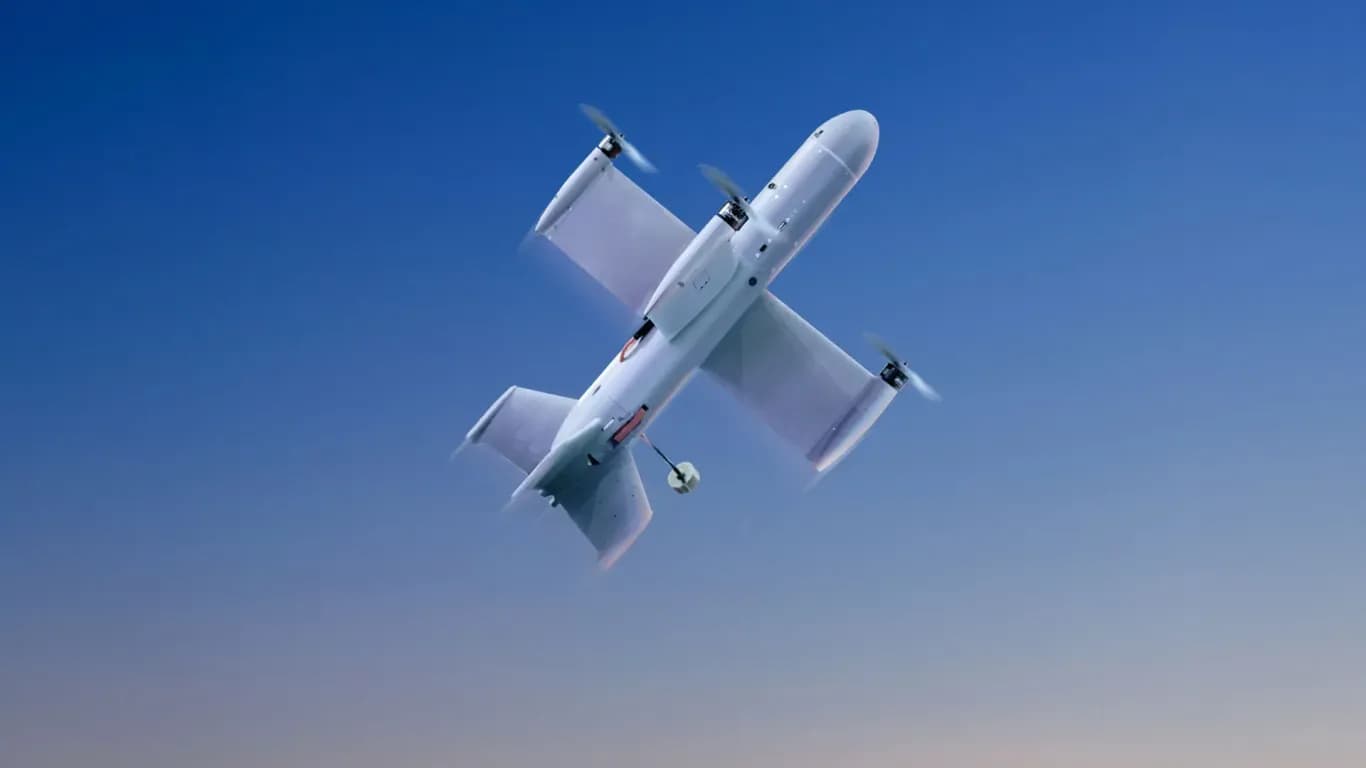
Ukraine Sends Drones, Experts to Shield U.S. Bases in Jordan From Iran
16 sources compared