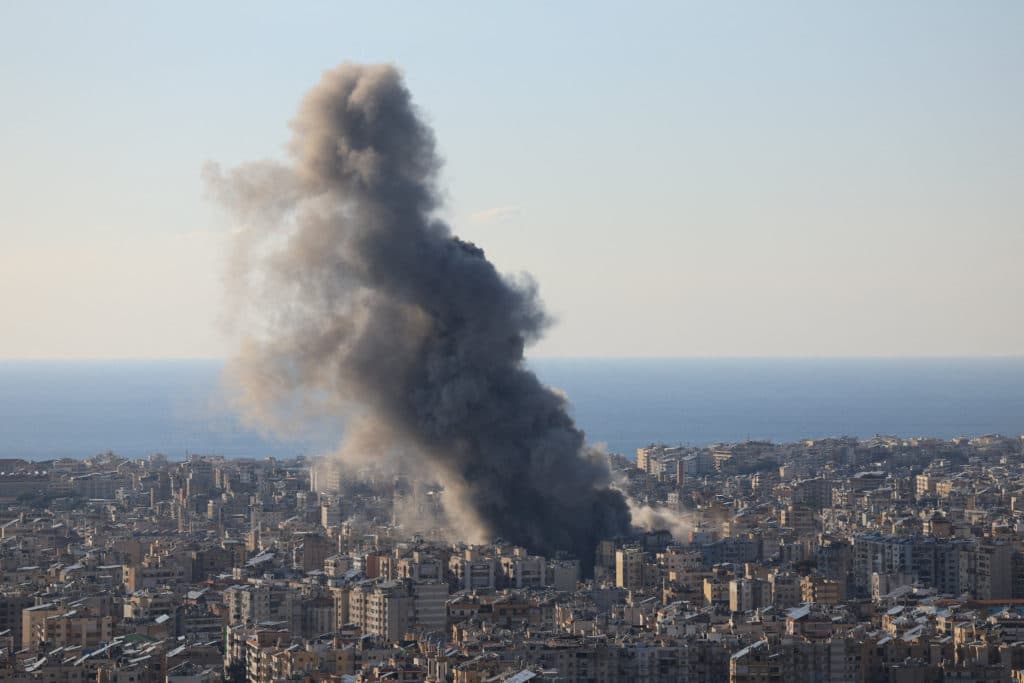
U.S. and Israel Launch Joint Airstrikes on Iran
Key Takeaways
- U.S. and Israeli forces launched airstrikes on targets inside Iran
- The conflict widened, entering its second week
- Airstrikes drove stock market volatility and higher oil prices
Scope and intent
U.S. and Israeli forces have carried out strikes on Iranian territory and related targets, with both countries signaling sustained bombing and evidence of coordinated tracking of Iranian leaders.
The U.S. has mounted an operation against Iran that left lawmakers with limited clarity about its purpose and next steps, while Israeli forces reported large-scale strikes on Iranian targets, and officials from both countries had tracked Iranian leadership movements in the run-up to the attacks.

President Trump has said the “heavy and pinpoint bombing” in Iran would continue through the week or longer, indicating an ongoing campaign rather than a one-off strike.
Casualties and targets
The strikes have produced casualties and damage across the region, including the first known U.S. military deaths and substantial civilian tolls in Lebanon tied to related Israeli strikes.
The U.S. military said 'four service members were killed, the first known U.S. casualties.'
In Lebanon, Israeli airstrikes on Beirut's southern suburbs and southern Lebanon 'killed at least 52 people and wounded 154, according to Lebanon's Health Ministry,' and Israeli forces said they had targeted 'Hezbollah command centers and weapons storage facilities in Beirut.'
Regional escalation
The conflict has escalated beyond Iran itself, drawing in Hezbollah and other proxies and disrupting Gulf states and global travel and commerce.
“Iran's Kharg Island, a small but strategically vital strip of land nestled in the waters of the northern Persian Gulf, has been left untouched by U”
PBS described Hezbollah’s strikes and justification, reporting 'Hezbollah missile and drone attacks on northern Israel' and that Hezbollah said 'confrontation is a legitimate right,' calling its firing 'a reaction to the aggression.'
AP detailed broader Gulf impacts: 'Other Iranian strikes have killed a handful of people in Gulf nations including the United Arab Emirates and Kuwait, and hundreds of flights have been affected at some of the world’s busiest airports.'
The fallout has raised naval and shipping concerns and prompted states to intercept or respond to aircraft and missiles.
Political and legal fallout
The strikes have produced immediate political and legal fallout in the United States and provided a public-relations point for Israeli leaders.
Some U.S. lawmakers protested the strikes 'without congressional authorization' and raised legal questions, while Republican Speaker Mike Johnson described the U.S. attack as a 'defensive operation' and framed the decision in the context of Israeli intentions to act 'with or without American support.'
%3Amax_bytes(150000)%3Astrip_icc()%2FGettyImages-2265155365-b0a75b33caa34c0a90a8d6b4f41e7fa0.jpg&w=3840&q=75)
In Israel, Prime Minister Benjamin Netanyahu has framed the operations as a security success.
Market impact
Markets and supply chains are already reacting: oil prices rose sharply on fears of disrupted flow through key chokepoints, prompting OPEC+ members to pledge increased output, while investors moved in treasuries amid stagflation concerns.
“I won't say I voted for that, but, yes, I think as the president, he can make decisions," she said”
AP reported that 'Oil prices rose sharply when market trading began Sunday as traders bet that supply from the critical region would slow or stop' and that 'eight countries that are part of the OPEC+ oil cartel said they would boost production of crude.'
Investopedia noted movements in U.S. Treasury yields 'amid fears the surge in oil prices could lead tostagflation,' underscoring the macroeconomic risks tied to the conflict.
More on Iran
US Bombs Military Sites on Iran's Kharg Island
10 sources compared
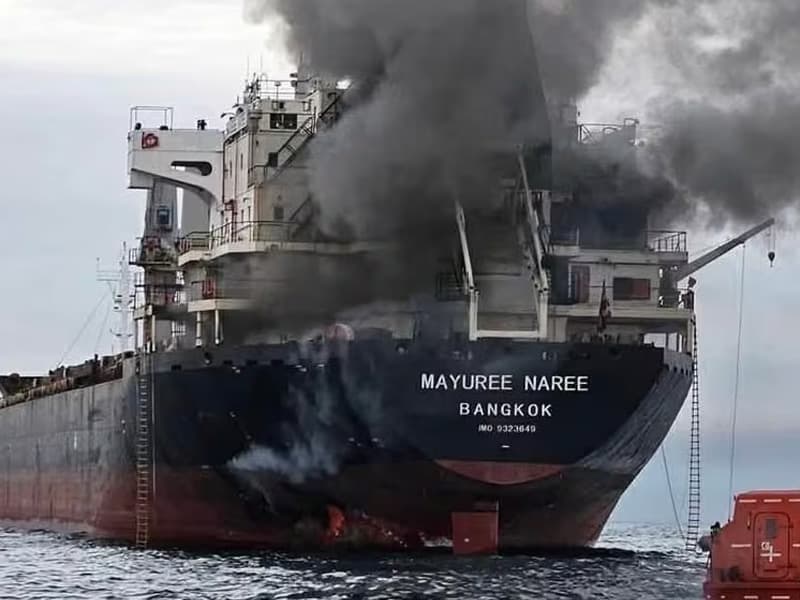
Iran Closes Strait of Hormuz, Chokes Global Shipping and Pushes U.S. Retail Prices Higher
41 sources compared
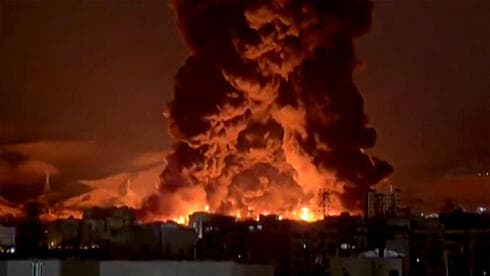
President Donald Trump Orders US Bombing of Iran's Kharg Island, Says Targets 'Totally Obliterated'
18 sources compared
US obliterates military targets on Iran’s Kharg Island, Trump warns
13 sources compared