
US and Israel Launch Operation Epic Fury, Kill Iran's Supreme Leader Ali Khamenei
Key Takeaways
- February 28 launch of joint US-Israel operation against Iran.
- Day 17 confirms ongoing hostilities between US-Israel and Iran.
- Coverage frames the conflict as a US-Israel war against Iran.
Operation Epic Fury Launch
Operation Epic Fury, a joint US-Israeli military campaign, commenced on February 28, 2026, with nearly 900 coordinated strikes executed within the first 12 hours targeting Iranian missile systems, air defenses, military infrastructure, and senior leadership figures across multiple sites.
“The 2026 war between ‘Israel’, the United States, and Iran started on February 28 with the launch of Operation Epic Fury, a joint US-‘Israeli’ military campaign”
The operation resulted in the death of Supreme Leader Ali Khamenei and numerous other high-ranking officials, with explicit objectives of preventing nuclear weapon development, dismantling ballistic missile capabilities, and advancing leadership change in Iran.
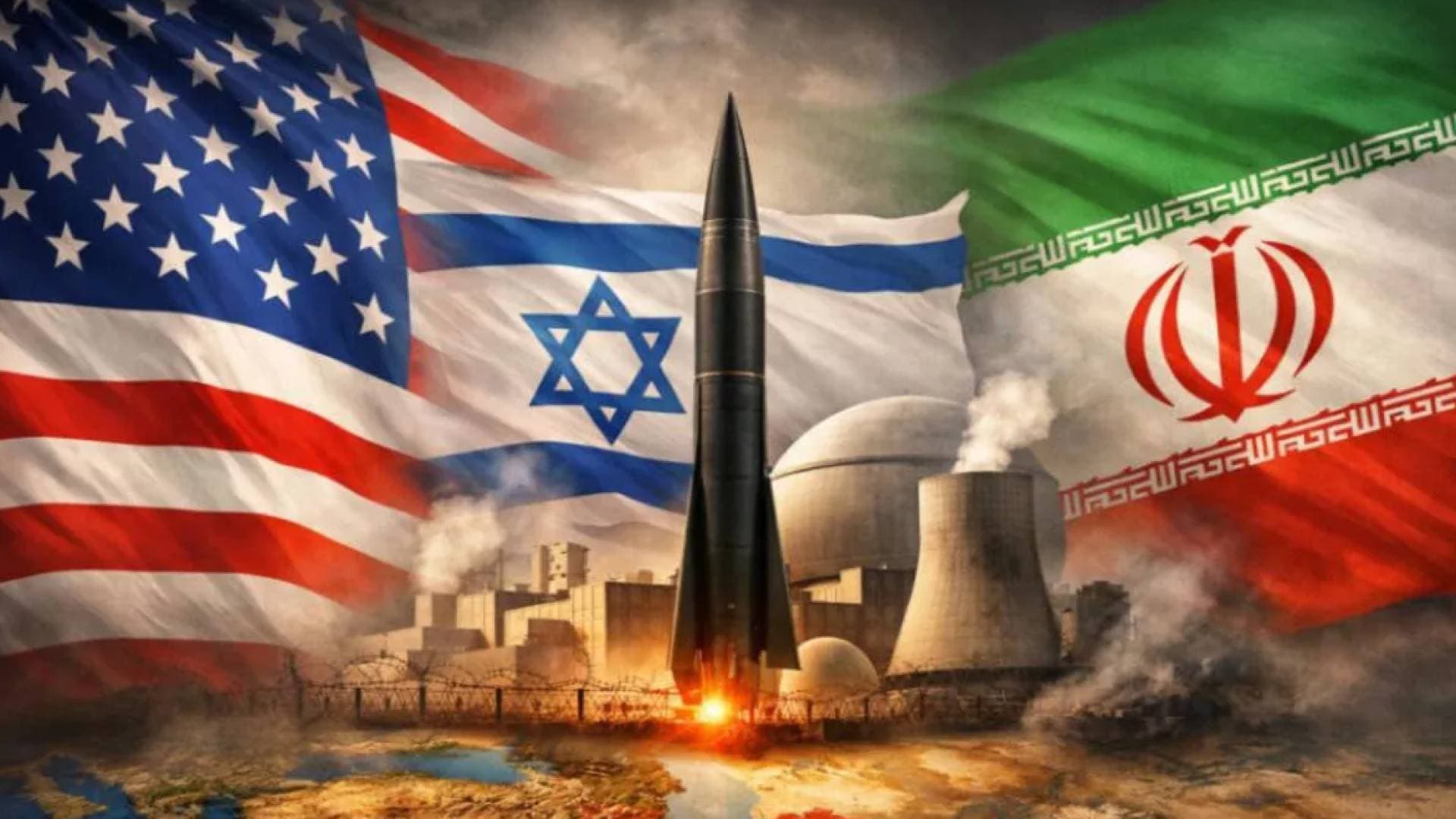
The strikes represented a significant escalation in regional tensions, marking the first direct attack on Iran's top leadership in decades.
The initial phase of operations focused on decapitating Iran's command structure and neutralizing its military capabilities before Iran could mount an effective response.
The coordinated nature of the strikes demonstrated close military cooperation between Washington and Tel Aviv in executing what could be considered one of the most audacious military operations in recent Middle Eastern history.
Iranian Retaliation
The death of Supreme Leader Ali Khamenei triggered immediate and widespread retaliatory actions from Iran, which launched large-scale missile and drone attacks against Israeli settlements, US bases, and allied targets throughout the Middle East.
Iran's Islamic Revolutionary Guard Corps (IRGC) announced the execution of multiple waves of its 'True Promise 4' operation targeting sites in what it described as occupied territories.
In response, Israel expanded its offensive to include Hezbollah strongholds in southern Lebanon, with the Israeli military announcing the start of limited ground operations by its 91st Division against these targets.
The escalation also encompassed disruptions in the Strait of Hormuz, where Iranian forces shut down the vital waterway, significantly heightening risks to global energy supplies and international shipping routes.
The conflict quickly spread beyond the initial theater, with multiple regional countries including Saudi Arabia, UAE, Lebanon, Qatar, Bahrain, and Kuwait becoming involved through drone interceptions and missile exchanges.
Human and Economic Costs
The conflict produced devastating human and economic consequences, with over 2,000 reported deaths across Iran, Israel, and Lebanon in the initial weeks of fighting.
“The 2026 war between ‘Israel’, the United States, and Iran started on February 28 with the launch of Operation Epic Fury, a joint US-‘Israeli’ military campaign”
Civilian infrastructure suffered extensive damage, with at least 869 civilian building units reported damaged in Iran's southwestern Khuzestan province alone, including 847 residential units and 22 commercial properties.
In Israel, the Ministry of Health reported that 142 people were admitted to hospitals due to the ongoing war, while Iranian female soccer players were forced to travel to alternative destinations as they were unable to return to their country immediately.
Economic effects included sharp increases in oil prices that hovered around $100 a barrel, prompting releases from strategic petroleum reserves to stabilize markets.
The disruption of the Strait of Hormuz led to significant interruptions to international shipping and created supply chain concerns, with India's Ministry of Petroleum and Natural Gas reporting that the LPG situation in the country was 'a concern' despite no official shortage being mentioned.
Leadership Transition and Diplomacy
Following the death of Ali Khamenei, Iran's leadership transitioned to his son Mojtaba Khamenei, who was chosen to lead the country despite the ongoing conflict.
US President Donald Trump made several statements regarding the new Iranian leadership, claiming that Mojtaba Khamenei 'won't last long without his approval' while Israel threatened that the new leader was the 'target.'
Diplomatic efforts emerged as the war entered its third week, with Trump stating that the United States was in discussions with Iran but that Tehran was not ready for a deal to end the conflict.
However, Iran's foreign minister denied earlier that any talks with the United States were taking place.
International reactions to the conflict varied, with China's Foreign Ministry calling for an immediate halt to military operations and warning that further regional escalation could hit the global economy.
The European Union, through foreign policy chief Kaja Kallas, indicated that the EU was discussing what they could do from the European side to keep the Strait of Hormuz open, reflecting the international community's concern about the conflict's broader implications for global energy security.
Ongoing Military Escalation
As the conflict continued into its third week, military operations intensified on multiple fronts, with both sides demonstrating no signs of backing down despite mounting casualties and economic costs.
“The 2026 war between ‘Israel’, the United States, and Iran started on February 28 with the launch of Operation Epic Fury, a joint US-‘Israeli’ military campaign”
Israeli military officials described their ground operations in southern Lebanon as 'targeted and limited in scope, focusing on strategic Hezbollah sites,' though the broader strategy appeared aimed at enforcing deterrence against strategic targets inside Iran.
The Israeli army radio cited decision-making sources estimating that the ongoing conflict would continue for an additional three weeks, suggesting that this period was considered sufficient to achieve planned military objectives.
Meanwhile, Iran continued its retaliatory strikes, with reports indicating that Iranian missiles had struck central Israel, though it remained unclear whether the impact was from shrapnel or a direct hit.
Regional defense capabilities were severely tested, with Saudi Arabia intercepting more than 60 drones and multiple countries reporting missile threats and defensive actions.
The United Arab Emirates experienced several incidents, including a drone strike that caused a fire at the Fujairah Oil Industrial Zone and a missile strike that killed a Palestinian national in Abu Dhabi.
These escalating military actions suggested that the conflict was far from resolution and posed significant risks for further regional destabilization.
More on Iran
Russia Secretly Airlifts Iran's Supreme Leader Mojtaba Khamenei to Moscow for Surgery
11 sources compared
Iranian Drone Strike Shuts Dubai International Airport, Thousands Stranded
25 sources compared

Iran Drone Strike Shuts Dubai International Airport, Triggers Global Travel Disruption
16 sources compared

Iran's New Supreme Leader Mojtaba Khamenei Travels to Moscow for Leg Surgery
15 sources compared