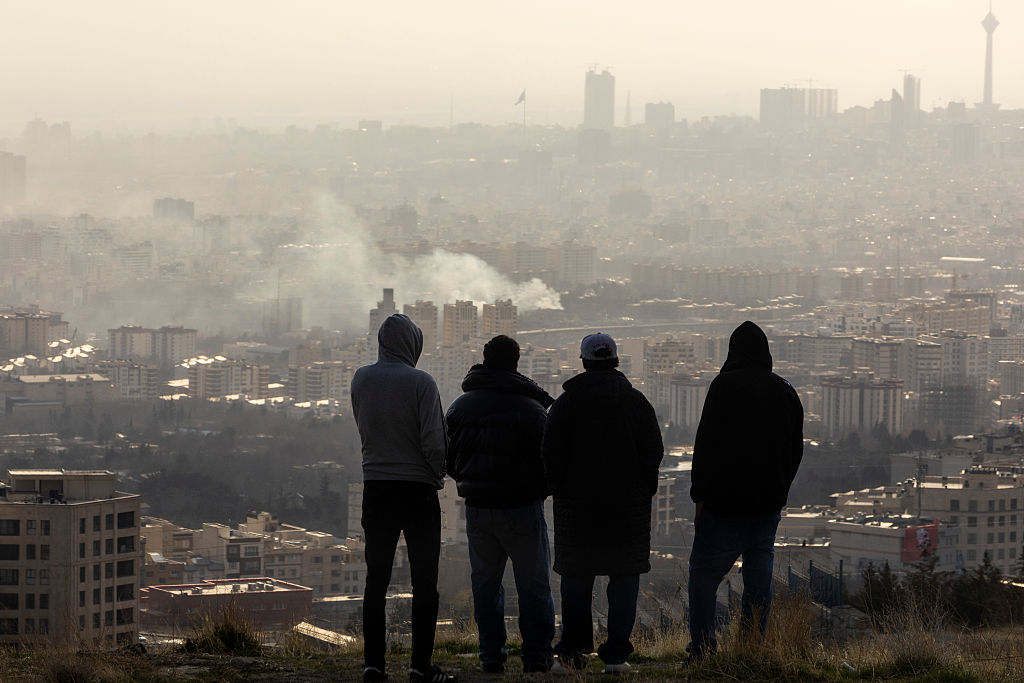
US and Israel Launch Strikes on Iran, Alienating Gulf Allies
Key Takeaways
- United States and Israel launched strikes on Iran
- Strikes escalated the conflict, raising fears of wider regional war
- Iran warned it would block oil shipments, triggering energy market turmoil
Strikes and retaliation
The United States and Israel have launched a coordinated campaign of strikes on Iran, which U.S. officials described as escalating to what Defense Secretary Pete Hegseth called the "most intense day" of U.S. strikes.
“The United States faces the risk of losing its Gulf alliances as the ongoing conflict with Iran escalates”
Tehran in turn "unleashed its own wave of attacks against Israel and the Persian Gulf."

Analysts note that "despite relentless U.S. and Israeli bombing, Iran has retained the ability to continue lobbing its missiles and drones across the region."
Gulf consultation breakdown
The strikes have alienated Gulf partners, who were reportedly not consulted before operations.
India Today warns "The United States faces the risk of losing its Gulf alliances" and reports that "The US and Israel launched strikes on Iran without consulting Gulf Cooperation Council partners, leaving them exposed to Iranian retaliation."
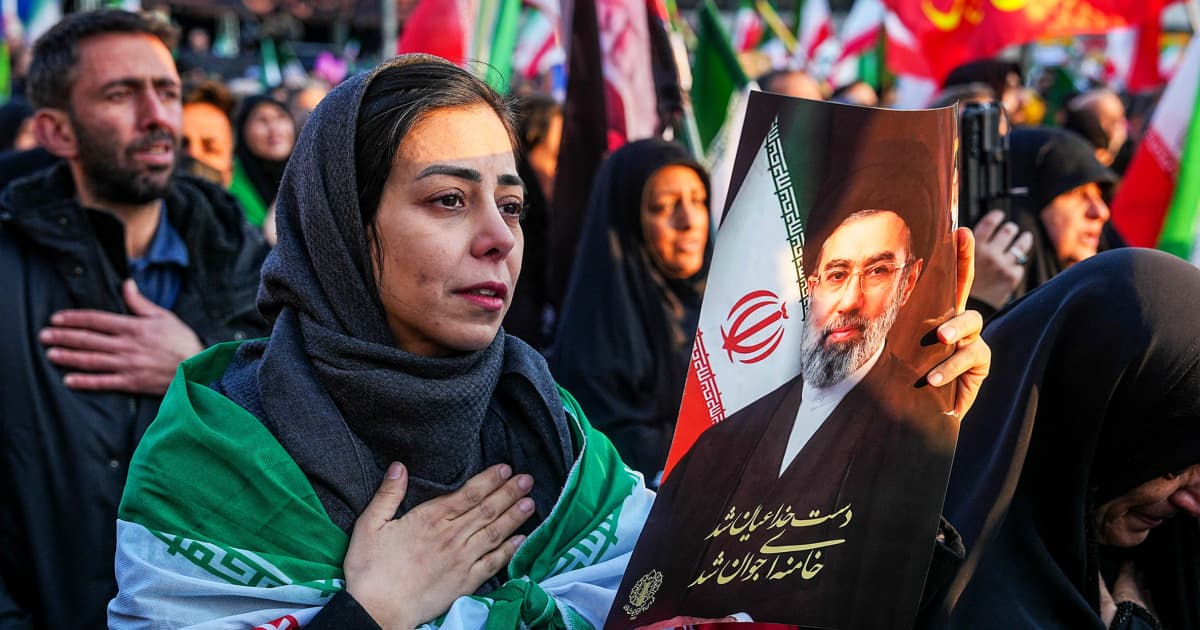
Regional incidents such as Saudi Arabia saying it "destroyed at least seven drones" and other Gulf states intercepting threats underscore how the campaign has drawn Gulf soil and facilities into the conflict.
Oil and economic impact
Energy and economic fallout have been immediate.
“After Iran, the World Will Never Be the Same The new Machtpolitik threatens global stability”
NBC reported President Trump threatened "death, fire and fury" if Iran blockaded the Strait of Hormuz, and Tehran "vowing it won’t allow 'one liter of oil' to leave the Middle East until U.S. and Israeli attacks cease."
India Today highlights how Trump signalled possible further action if oil tankers are targeted and notes that the conflict has driven global energy prices higher and produced fuel disruptions in neighbouring states.
Casualties and targets
The human cost and intensity of strikes are prominent in reporting.
NBC cited the Iranian Red Crescent Society saying "In Iran, more than 1,200 people have been killed by Israeli and American strikes," and detailed a newly surfaced video that experts say shows an American Tomahawk missile hitting a school area where "more than 170 people were killed, including many children."
India Today and other analysts frame the strikes as aimed at "neutralising Iran's nuclear threat," which underscores the strategic rationale even as civilian casualties mount.
Long-term geopolitical risks
Observers warn of broader strategic and normative damage.
“'Most intense day' of U”
The American Conservative argues the campaign risks "contributing to nuclear proliferation," warned that "America’s diplomatic credibility is shot," and cautioned that the war's long-term effects could accelerate an era of "Machtpolitik."
NBC quoted European Council President António Costa saying "So far, there is only one winner in this war — Russia," suggesting geopolitical beneficiaries and a fraying international order as Gulf partners distance themselves.
More on Iran
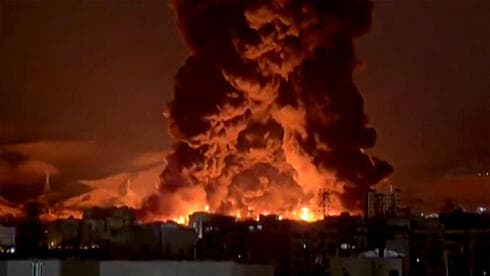
Trump Says U.S. Bombed Military Sites on Kharg Island, Iran's Oil Hub
14 sources compared
FBI Warns of Iranian Drone Plot Based on Unverified Tip; California Says No Credible Threat
10 sources compared

White House Demands ABC Retract Report Claiming Iran Sought To Launch Drone Attacks On California
11 sources compared

Iranian Proxy Claims It Shot Down US Refueling Plane in Iraq; US Military Says Otherwise
17 sources compared