US and Israel Launch War With Iran; IEA Says Over 40 Energy Sites Damaged
Key Takeaways
- Over 40 energy assets across nine countries severely damaged.
- Damage spans oil fields, refineries, and pipelines.
- IEA says the damage could prolong global energy supply disruptions.
Conflict Overview
The United States and Israel launched a major military campaign against Iran that began on February 28, 2026, with the conflict now entering its fourth week.
“Environment & Energy Print Share To: More than 40 energy assetsacross nine countries in the Middle East have been “severely or very severely” damaged by the war, International Energy Agency Executive Director Fatih Birol said, potentially prolonging disruptions to global supply chains after the conflict ends”
The war has reportedly resulted in the death of at least 1,300 people, including Iran's Supreme Leader Ali Khamenei, significantly altering the geopolitical landscape of the Middle East.
Iran has responded with coordinated drone and missile attacks targeting Israel, Jordan, Iraq, and Gulf countries hosting U.S. military assets.
The fighting has been characterized by both sides exchanging increasingly severe threats, with President Trump issuing ultimatums and Iran vowing retaliatory measures.
Energy Crisis Impact
The International Energy Agency has warned that the conflict has caused catastrophic damage to energy infrastructure, with at least 40 energy assets across nine countries being 'severely or very severely' damaged since the war began.
IEA Executive Director Fatih Birol characterized the impact on global energy markets as equivalent to the twin oil shocks of the 1970s and Russia's invasion of Ukraine combined.
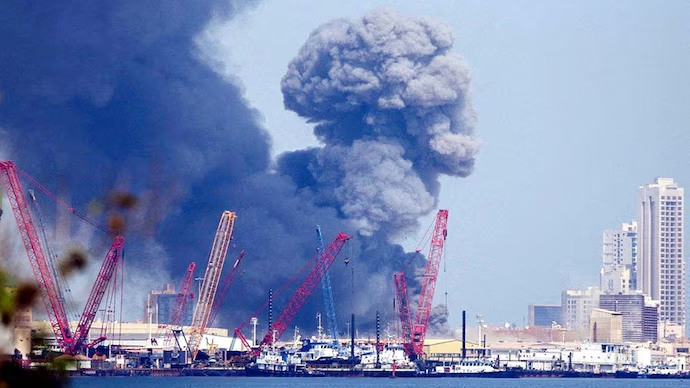
The closure of the strategically vital Strait of Hormuz, through which roughly 20% of global oil and gas typically passes, has completely disrupted maritime trade routes.
Birol emphasized that the crisis extends beyond oil and gas to affect vital economic components including petrochemicals, fertilizers, sulfur, and helium.
Military Escalation
The military confrontation has intensified significantly, with Israel launching fresh strikes on Tehran while the conflict has expanded to include Lebanon, where Israeli forces have begun a ground campaign against Hezbollah.
“The International Energy Agency (IEA) has said over 40 energy assets have been damaged in the Middle East due to the United States–Israeli war against Iran”
Israeli Prime Minister Benjamin Netanyahu has characterized this as a long-term campaign against Iran's government, with military operations now spanning multiple fronts across the region.
Israeli forces have been ordered to destroy bridges used by Hezbollah to cross the Litani river, a move Lebanese President Joseph Aoun described as 'a dangerous escalation' seen as a prelude to a ground invasion.
Despite Israel's reputation for advanced air defenses, Iranian missiles have successfully evaded interception systems to land in southern Israeli towns, including Dimona, close to the country's nuclear facility.
Global Economic Impact
The global economic consequences of the conflict have become increasingly severe, with oil prices surging above $100 per barrel and international markets experiencing significant volatility.
The International Energy Agency has projected that the global supply of liquefied natural gas has been reduced by approximately 20% since the conflict began.
In response to mounting economic pressure, the IEA's 32 member countries agreed to release 400 million barrels of oil to ease market stress.
Asian nations have been particularly hard-hit due to their heavy reliance on crude oil from the region, leading to energy shortages and supply chain disruptions.
Humanitarian Crisis
The humanitarian toll of the escalating conflict has been devastating, with widespread civilian casualties and massive displacement throughout the region.
“Last Updated: 16 hours ago By Rhiannon Hoyle At least 40 energy assets have been severely damaged across nine countries since the Middle East conflict began, International Energy Agency Executive Director Fatih Birol said, as the agency consults with governments on whether more emergency oil reserves should be released to shore up supply”
In Iran alone, at least 3,230 people have died according to the US-based Human Rights Activists News Agency, including 1,406 civilians.
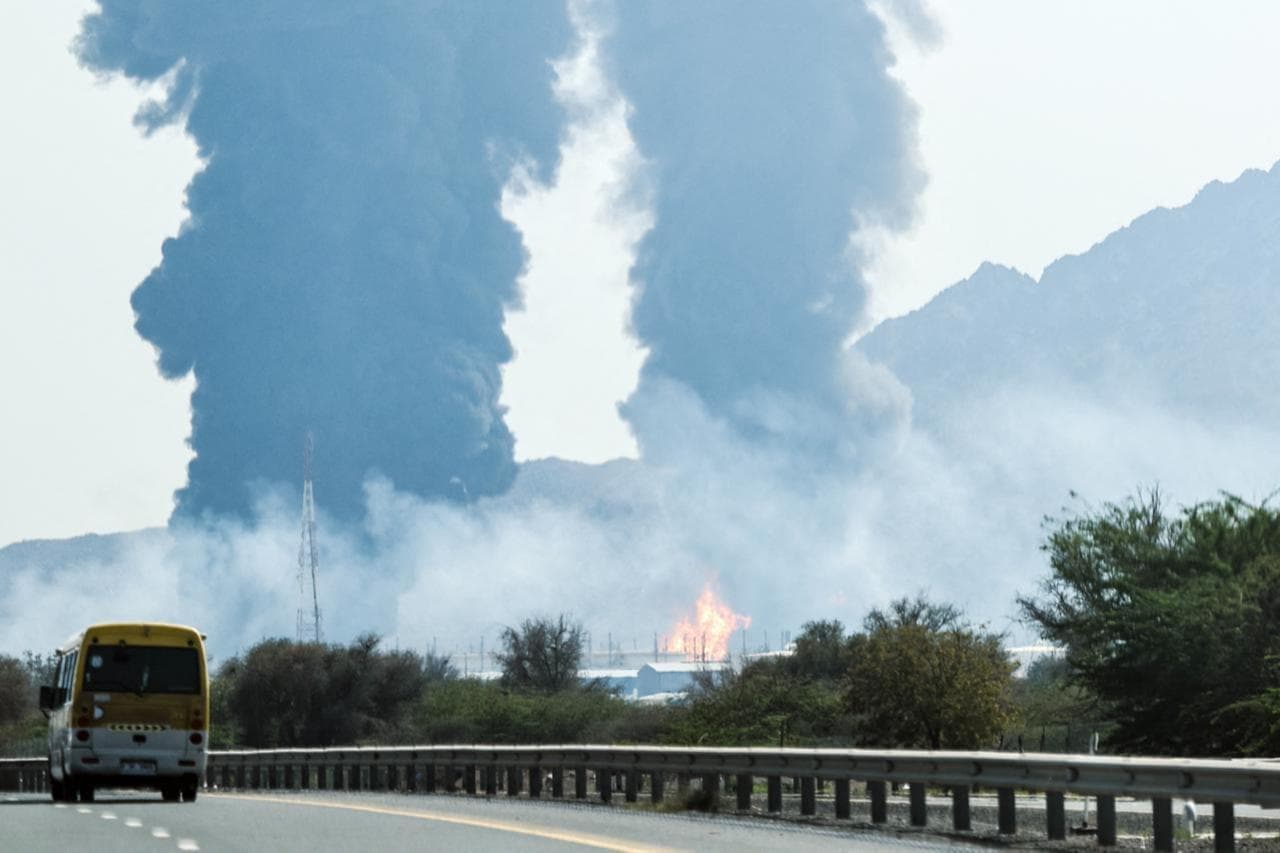
In Lebanon, the violence has displaced more than one million people and caused significant infrastructure damage, with the health ministry reporting over 1,000 deaths.
The psychological impact on civilian populations has been profound, with Israeli citizens expressing shock and fear following successful Iranian missile attacks.
More on Asia

Technical malfunction causes Qatar-Turkey helicopter crash, killing seven.
38 sources compared

Anutin Charnvirakul Wins Reelection as Thailand's Prime Minister
15 sources compared

Drone strike at Dubai International Airport shuts down flights; attacker unconfirmed.
50 sources compared
Iran Strikes Italian Military Base in Erbil, Forcing Troops Into Bunkers
28 sources compared