
Drone strike at Dubai International Airport shuts down flights; attacker unconfirmed.
Key Takeaways
- Drone strike near Dubai International Airport ignited fuel tank fire, suspending all flights.
- Flight operations gradually resumed on a limited basis; some routes restored, flights diverted to DWC.
- No injuries reported; authorities contained the blaze and fire response continued.
Immediate Response
A drone strike near Dubai International Airport (DXB) on March 16, 2026, caused a significant fire at a fuel tank.
The incident occurred early Monday morning when an unmanned aerial vehicle impacted infrastructure in the vicinity of the world's busiest international hub.
The strike triggered visible smoke and emergency response protocols as authorities worked to contain the situation.
Dubai Civil Defence teams quickly contained the blaze, with no injuries reported among passengers, crew, or emergency personnel.
The Dubai Civil Aviation Authority implemented the suspension to ensure safety.
The Dubai Media Office confirmed the drone-related incident affected one of the airport's fuel storage facilities outside the main perimeter.
Flight Disruptions
The drone strike triggered widespread operational disruptions, with 65 flights diverted to 34 different airports across Europe, Asia, and Africa.
This included 22 flights to nowhere that had to circle or return to their origin points.
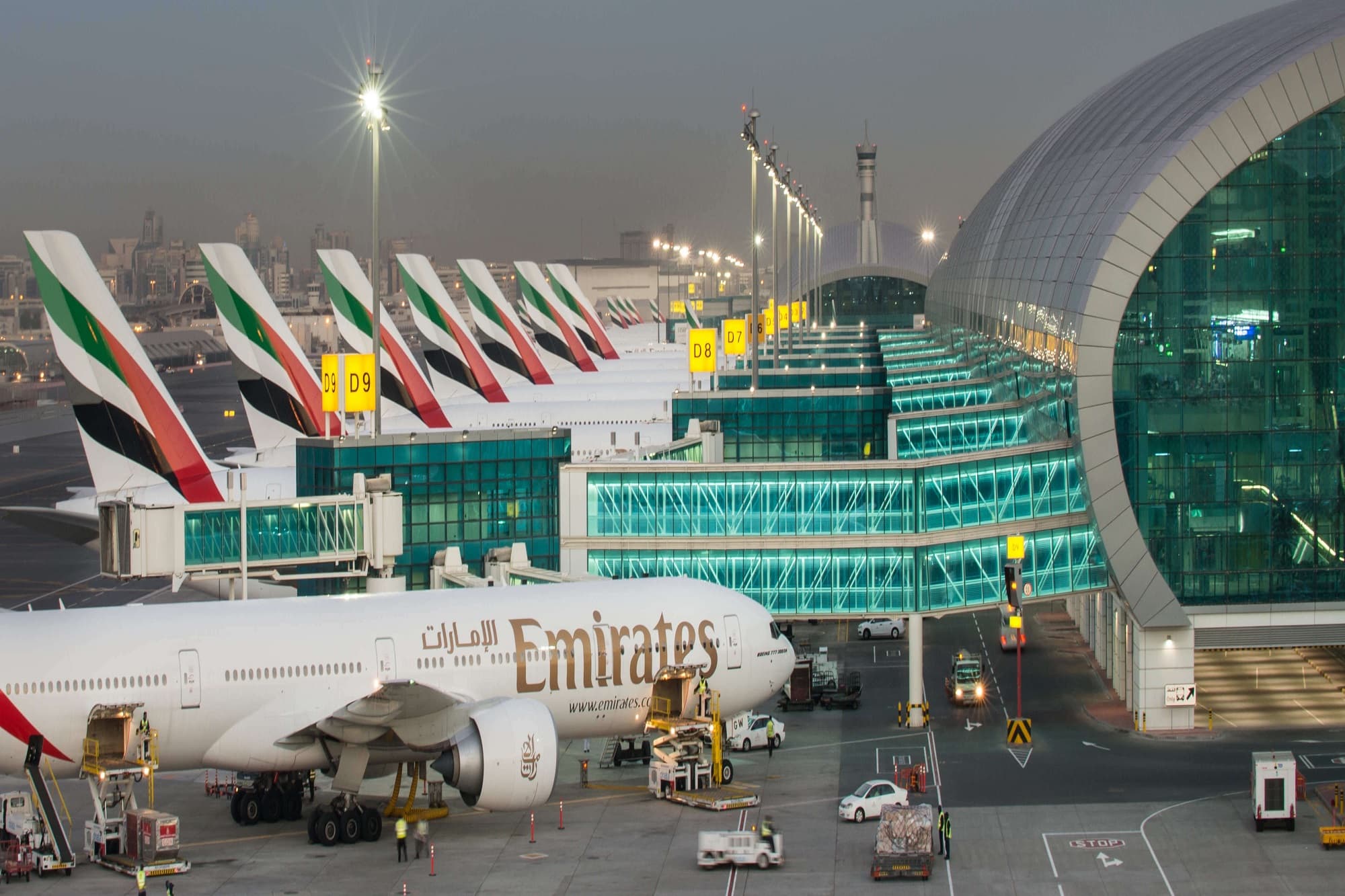
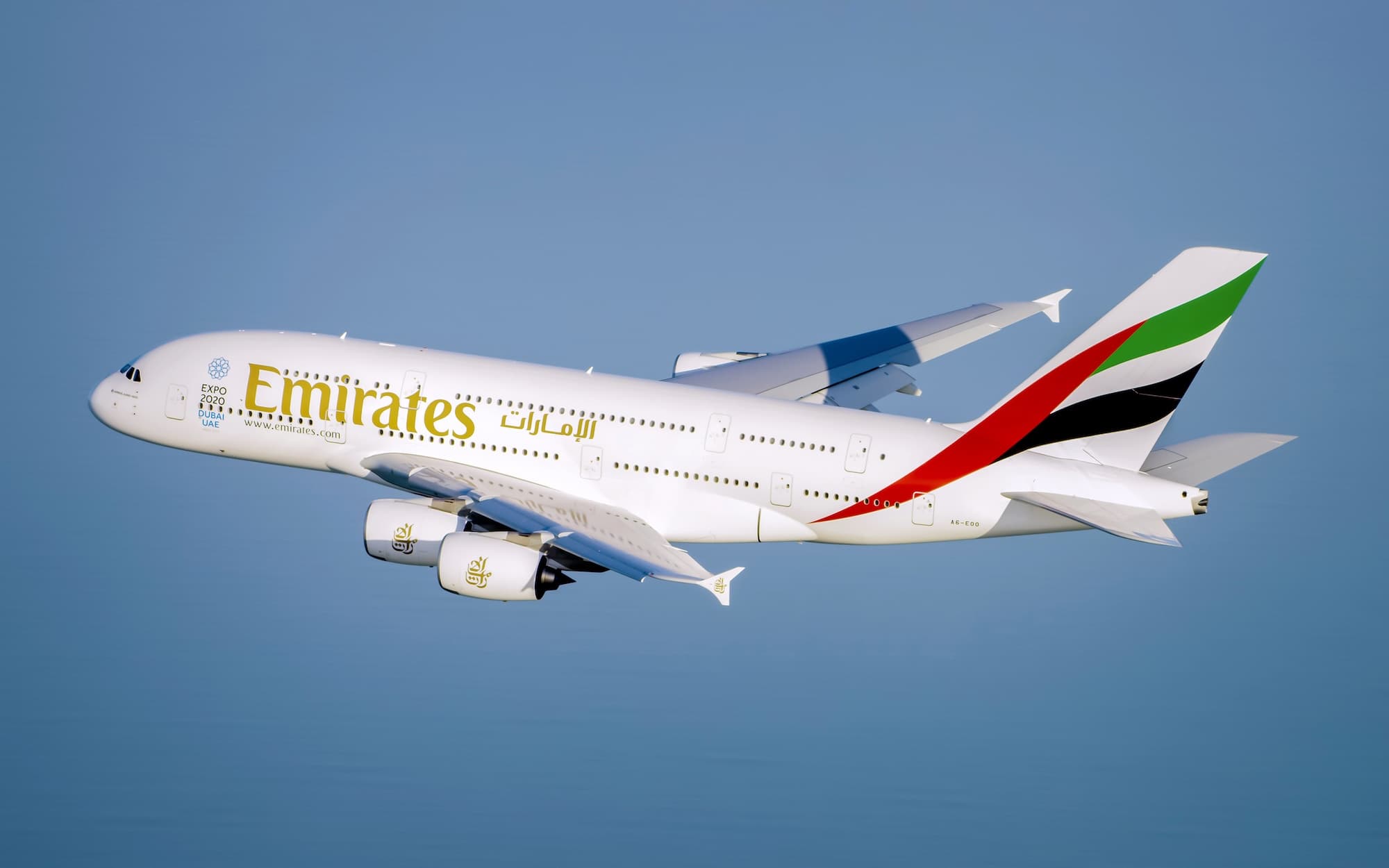
Emirates, Dubai's flagship carrier and one of the world's largest airlines, suspended all flights initially.
The airline later announced a limited schedule resumption after 10:00 AM local time, though many scheduled flights were canceled.
Flight tracking data revealed aircraft holding patterns over the Gulf while emergency teams responded.
Some inbound flights were rerouted to Al Maktoum International Airport (DWC) and Abu Dhabi International Airport.
The airport operator Dubai Airports advised travelers not to come to the airport without confirmed active bookings.
Regional Conflict Context
The incident occurred amid escalating regional tensions in the Middle East, with Iran launching retaliatory strikes against Gulf nations.
“local time, though disruptions persisted”
These strikes followed joint U.S.-Israeli military operations that began on February 28.
Iranian authorities have targeted critical infrastructure across the United Arab Emirates, including airports, oil facilities, and military bases.
Iran claims these strikes aim at U.S. military presence in the region.
The conflict has transformed the Gulf's aviation landscape, with large sections of regional airspace remaining closed or restricted.
According to the UAE's Ministry of Defense, Iran has fired more than 1,800 missiles and drones at the Emirates since the conflict began.
Gulf Arab states collectively have faced more than 2,000 such attacks.
This has forced airlines to rethink standard air corridors across the Gulf, Iraq, and the wider Levant.
Pattern of Attacks
The March 16 drone strike marked the third confirmed attack affecting Dubai International Airport since Iran began its Gulf campaign on February 28.
This creates a pattern of escalating threats to civilian infrastructure.

Earlier incidents included an overnight attack on the first day of conflict that damaged a concourse and injured four people.
Another incident on March 11 involved two drones falling near the airport, causing additional injuries.
These repeated attacks have severely disrupted operations at one of the world's busiest aviation hubs.
The airport handled 95.2 million passengers in 2025 and ranked as the second-busiest globally by total passenger traffic.
The frequency of incidents has turned Dubai's aviation infrastructure into a focal point of regional conflict.
Authorities have implemented enhanced security measures and emergency protocols to maintain partial functionality.
Economic Impact
The drone strike and resulting disruptions have had significant economic and travel implications.
“According to official reports from Emirati authorities, a depot caught fire after an Iranian-made unmanned aerial vehicle (UAV) struck the airport, resulting in the immediate suspension of all flight operations at one of the world's most important air traffic hubs”
These impacts affect Dubai's $367 billion tourism sector and global aviation networks.

The incident represents one facet of broader turmoil in Middle East aviation.
Regional airlines have canceled 50.66% of scheduled departures since February 28.
Some carriers have experienced cancellation rates exceeding 90%.
Airlines face surging ticket prices and fuel surcharges while navigating 'no-fly' zones.
The attacks have forced cancellation of major regional events including Formula 1 Grands Prix.
Dubai's position as both symbolic target and critical global transfer point creates uniquely sensitive situations.
More on Asia

Iranian drone strikes Dubai International Airport, triggering fuel-tank fire and flight suspensions
35 sources compared
Iran Strikes Italian Military Base in Erbil, Forcing Troops Into Bunkers
28 sources compared

Former South Korean president Yoon Suk-yeol appeals life sentence for leading insurrection
14 sources compared

Diet Re-elects Sanae Takaichi as Prime Minister of Japan After LDP Landslide
14 sources compared