Asia18 February, 20262 min read
Diet Re-elects Sanae Takaichi as Prime Minister of Japan After LDP Landslide
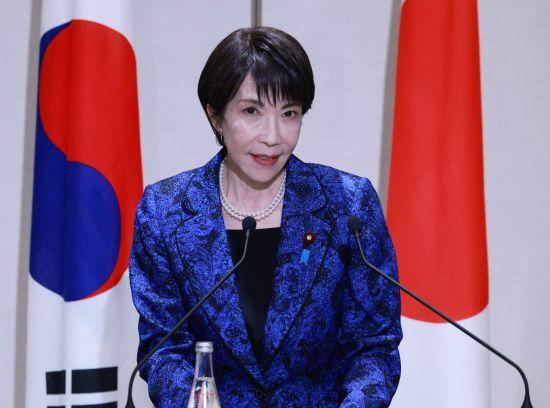
Sanae Takaichi was reelected prime minister by the Diet after the LDP's Feb. 8 landslide Her Cabinet resigned en masse before the special Diet session, as required by the Constitution
14 outlets told this the same way.
Outlets did split on Avalanche Strikes Himlung Himal Base Camp In Nepal, At Least 10 Missing →
Sanae Takaichi confirmation
Japan’s parliament re-elected Sanae Takaichi as prime minister on Feb. 18 following the Liberal Democratic Party’s landslide victory in the Feb. 8 lower-house election.
“Sanae Takaichi was re-elected Prime Minister by Japan’s parliament following her Liberal Democratic Party’s landslide win in the Feb. 8 snap elections. ... she was confirmed at a session of the House of Representatives.”
The Diet convened a special session to confirm her return to office.

Sources differ: some outlets report the confirmation took place in the House of Representatives, while others say the Diet voted in both chambers.
Several outlets described the parliamentary session as 'special' or noted a 150-day Diet period.
Takaichi confirmation process
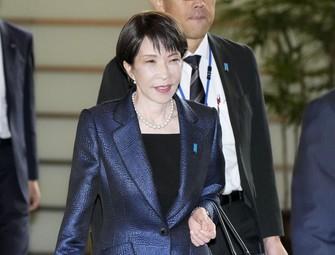
In line with the Constitution, several sources report that Takaichi’s entire cabinet submitted a collective resignation before the special session. She was then confirmed by the lower house.
Kyodo and local reports say a new cabinet unveiling was expected the same day. One source records the precise vote tally in the lower-house designation.
Fiscal and security agenda
Takaichi and the reporting outlets outline a policy agenda centered on an assertive fiscal stance and stepped-up security measures.
“She pledged a cross-party ‘national council’ to consider a proposed two-year suspension of the 8% consumption tax on food and beverages, aiming for an interim conclusion before summer... Her government plans to strengthen security and intelligence by creating a national intelligence committee and enacting anti-espionage laws.”
Multiple sources describe plans to pursue a "responsible yet aggressive" or "responsible proactive" fiscal policy that includes seeking suspension or cuts to the consumption tax on food, while Japan Wire and 아시아경제 provide longer lists of security proposals and constitutional aims.
New Diet session politics
Reporting notes the LDP’s two-thirds-plus victory in the lower house and a new coalition with the Japan Innovation Party. Kyodo-focused pieces add detail on opposition realignment and the election of the lower house speaker and vice speaker. Some sources highlight diplomatic sensitivities and potential friction with China tied to Takaichi’s past remarks about Taiwan.
Takaichi cabinet plans
Most sources say Takaichi planned to formally launch her second cabinet and hold a press conference to set out priorities. Several sources indicate the current Diet session will be long enough to pursue contested items such as constitutional revision and a 2026 budget. Reporting varies on whether ministers were reshuffled: some outlets state she reappointed the same ministers, while others note only that a new cabinet would be unveiled.
“She is scheduled to formally launch what is technically her second cabinet Wednesday evening—reappointing the same ministers—and then hold a news conference from the prime minister’s office.”